Blog

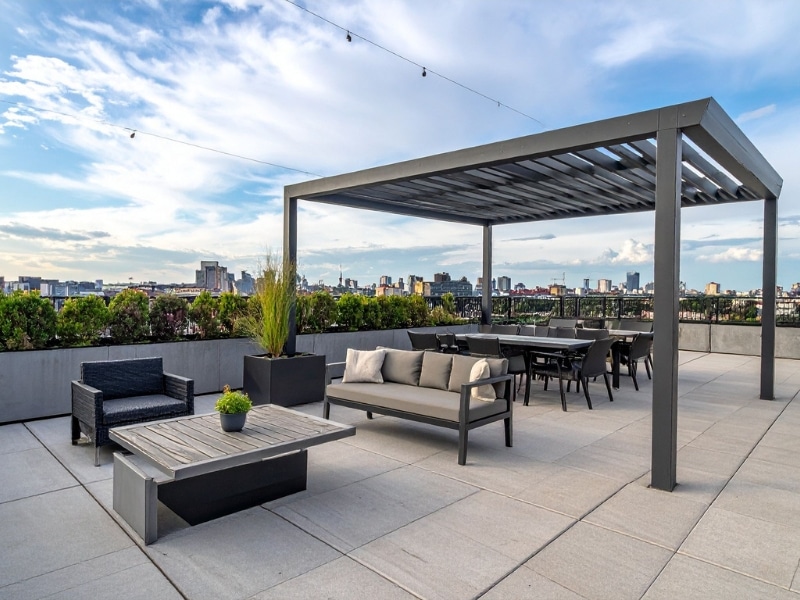
Designing a pergola garden that feels both inviting and balanced can be trickier than it looks. The key isn’t only in the structure but in how it interacts with your landscape. A pergola garden design works best when proportions, placement, and materials all work in harmony with nature.
In many Aussie backyards, pergolas are either an afterthought or a rushed DIY job. You might start with enthusiasm, but without clear planning, the result can feel disjointed or even blocky. This article explores what can go wrong — and how to get it right — so your pergola feels like a natural extension of your garden rather than a bolt-on feature.
Whether you’re dreaming of a shady spot for your Sunday cuppa or a space that draws the eye with style, we’ll unpack the pitfalls, the fixes, and the materials that make all the difference.
How do poor layout choices affect a pergola garden design?
When the layout isn’t thought through, even the most stunning pergola can feel out of place. Many homeowners jump in without checking how the pergola aligns with existing plants, sunlight angles, and walkways. A poor layout can lead to problems such as:
- Shaded areas block natural light from entering nearby rooms
- Misaligned posts that clash with the garden’s flow
- Overcrowded plant beds that can’t breathe
- Awkward traffic flow that ruins usability
These mistakes don’t just spoil the view; they can affect how you use the space every day. The pergola might feel cramped or exposed, leaving you frustrated instead of relaxed. To create a seamless garden flow, start by sketching your space and noting where sunlight hits during the day. Map your pathways and think about how you move around. A good design aligns with how you live outdoors, not just how things look on paper. A clever solution is exploring modern pergola garden layout ideas. They can help you plan symmetry and balance before the first post even goes in the ground.
Why do many backyard pergola ideas fail to create harmony?
Plenty of backyard pergola ideas start strong but fall short when all the elements come together. The problem often lies in mixing materials, shapes, or colours without a cohesive vision. Common issues include:
- Materials that don’t complement your home’s exterior
- Colours that clash with surrounding plants
- Too much visual noise from over-decoration
- Pergola proportions that dominate instead of enhance
The result? A backyard that feels busy rather than calm. Without harmony, even a well-built pergola can look like a misplaced add-on. To build balance, use repetition of lines, textures, or colours throughout your space. Match the pergola’s tones to your fence, pavers, or decking. And remember, less can be more when it comes to styling. For fresh inspiration, consider garden pergola tips that show how small styling tweaks can pull everything together beautifully.
What happens when a garden pergola lacks proper proportions?
Proportion is what separates an elegant pergola from one that feels like a shed. When a garden pergola is too tall, wide, or narrow for its space, it creates visual tension and throws off balance. Typical signs of poor proportion include:
- Posts that look spindly or oversized
- Rooflines that overpower nearby plants
- Shadows that feel heavy rather than dappled
- Gaps that leave you exposed to harsh Aussie sun
Without the right scale, your pergola can feel awkward and unwelcoming. You might find yourself avoiding it altogether. To fix proportion issues, start with measurements. A pergola’s height should generally align with your home’s eaves or main outdoor structures. Use plants to soften strong lines or frame vertical space.
The table below shows a quick reference for balanced pergola ratios:
| Pergola Width (m) | Ideal Height (m) | Best Use Case |
| 2–3 | 2.2–2.4 | Small courtyards |
| 3–4 | 2.4–2.6 | Family backyards |
| 4–5+ | 2.6–2.8 | Large garden zones |
If you’ve already built and proportions are off, clever plant placement or trimming can rebalance the look without a full rebuild.
How can timber pergola kits simplify outdoor transformations?
A great way to fix layout or proportion issues without blowing the budget is to use timber pergola kits. These kits offer pre-measured components, saving you from many classic design missteps. Benefits include:
- Pre-cut materials that ensure perfect symmetry
- Easier assembly even for first-timers
- Natural warmth that blends with greenery
- Customisable finishes that age beautifully outdoors
Timber pergolas also allow flexibility in design. You can stain them to complement existing decking or leave them natural for a softer, coastal vibe. For design inspiration, browse creative outdoor structure concepts that show how timber frames can lift any outdoor area. If you’re the handy type, you’ll find that assembling a kit feels like putting together a large-scale puzzle, satisfying, quick, and perfectly tailored to your space.
Why is a steel pergola ideal for long-term garden comfort?
Steel pergolas are becoming a staple for modern Australian gardens thanks to their durability and low maintenance. A steel pergola resists termites, warping, and rot, making it perfect for regions that face both blazing sun and unpredictable rain. Here’s why many homeowners love them:
- Minimal upkeep once installed
- Long lifespan no more constant resealing or repainting
- Sleek, contemporary style that suits any landscape
- Strength that allows for broader spans without bulky posts
Steel also plays nicely with other materials. Mix it with timber screens, stone pavers, or climbing plants for texture. It’s no wonder so many modern designs lean toward steel for both visual appeal and practical benefits.
Can thoughtful landscape layout improve outdoor relaxation?
When you take the time to consider your overall landscape layout, the pergola becomes part of a bigger story. A well-organised landscape encourages natural flow, reduces clutter, and helps each garden element shine. Key layout principles include:
- Using symmetry for calm, balanced views
- Layering plants for depth and privacy
- Clever zoning for dining, lounging, and shade
- Positioning structures to catch cooling breezes
Every backyard has its quirks, slopes, soil types, and existing trees, but when you plan around these instead of fighting them, your pergola feels effortlessly placed. It’s that sense of easy flow that makes outdoor relaxation second nature. Good design is never an accident. It’s the result of intention and a clear understanding of how people interact with space.
Final thoughts on designing a balanced pergola garden space
A pergola garden space isn’t just about shelter; it’s about shaping how you live outdoors. When layout, proportion, and material choices work together, the result feels timeless. Whether you choose the warmth of timber or the durability of steel, thoughtful planning will always pay off.
If you’d like personalised insight, seek guidance from Unique Pergolas. Their design experience can help bring your vision to life without losing that natural garden charm.