Blog

A pergola on side of house design can turn narrow side yards into functional, breezy outdoor rooms. You gain shade, privacy and a weather buffer without chewing up lawn. Planning is crucial, though. Poor attachment, footing errors or inadequate drainage can cause headaches. With the proper layout, you’ll keep airflow while protecting walls and eaves — too easy. This article explores practical positioning, structure and compliance so you can build smart beside your home without dramas and with long-term durability.
What challenges come with installing a pergola close to the home?
Tucking a pergola along a side wall seems straightforward, yet space and structure complicate things. You’re working in a narrow corridor, so tolerances matter. Timber sizes, fastener locations and flashing must respect the wall’s integrity and your cladding type. Meanwhile, the roof wants to fall, and the airflow is disrupted. Here are the key considerations that often trip people up; tackle them methodically. Here are the key challenges to watch:
- Clearance conflicts with eaves, downpipes and services create reduced wind tunnelling if planned well, but turbulence if not
- Ledger placement can pierce weatherproofing; aim for a lower risk of water ingress with correct flashing and sealants
- Overshadowing side windows; chase improved shade without blocking windows through rafter spacing and height
- Posts crowding pathways; set them back to keep bins, prams and bikes moving without elbow-bumping
When you balance clearances, airflow and shade, the side space works a treat. If you’re unsure about technical steps like fixing or flashing, refer to this guide on the attached pergola beside the house wall installation.
Why can incorrect positioning affect drainage and airflow?
Position determines whether water sheds cleanly or sneaks under cladding. It also governs how breezes move through rafters. Put the beam too high and water can backflow. Put it too low and you’ll trap humid air. Orientation, gutter hand and soffit vents all play a part. Here are the elements you must dial in to avoid damp patches and stale corners. Here are the drainage and airflow priorities:
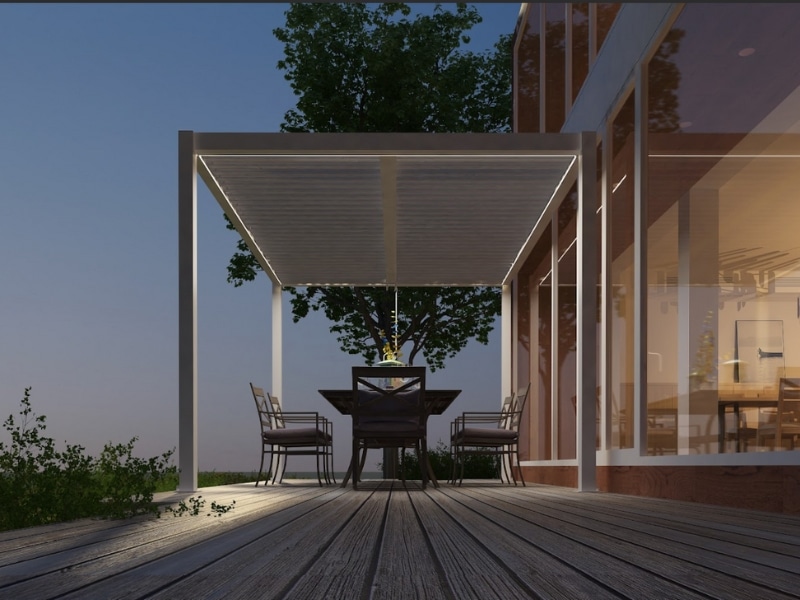
- Roof fall: set consistent fall away from the wall for clean runoff paths and quieter rainfall
- Gutter hand: choose the side that won’t overload existing downpipes during a summer deluge
- Rafter spacing: wider gaps breathe better; tighter gaps shade more — balance to suit orientation
- Soffit vents: keep them clear so hot air escapes rather than cooking your wall cavity
Good positioning keeps walls dry and the space comfy on a scorcher. For a deeper look at the layout guide, explore how planning a side-yard pergola build can help shape airflow and drainage zones effectively.
How can homeowners avoid structural issues with side pergolas?
Mistakes near a wall can snowball. A poorly fixed ledger invites rot, while undersized posts creep out of plumb. Another trap is mixing metals; incompatible fasteners corrode quickly by the coast. Drainage missteps soak fixings and turn minute movement into rattles. Here are the weak links that turn a tidy project into a money pit, so you can steer clear before anything goes pear-shaped. Here are the common structural missteps:
- Undersized fixings into unknown framing; always confirm stud or masonry specifics
- Ledger without proper flashing; water follows the screws and stains the plaster inside
- Mismatched timbers and steel brackets; isolate with membranes and specify corrosion resistance in coastal areas
- Skimpy footings in reactive clay; movement cracks tiles and tweaks door frames
|
Risk |
Likely cause |
Quick fix |
|
Ledger movement |
Missed studs or weak anchors |
Refasten to structure; upsize anchors |
|
Water staining indoors |
No flashing over penetrations |
Add head flashing; seal penetrations |
|
Post lean over time |
Shallow or undersized footings |
Deepen pads; add hold-downs |
|
Fastener corrosion |
Mixed metals or poor coating class |
Match metals; upgrade to stainless |
To avoid corrosion risks and misaligned members, reviewing outdoor beam support regulations can help confirm acceptable hardware and framing setups.
What’s the safest way to secure a pergola beside a house wall?
The safest fix is the one that suits your wall type and load path. Masonry wants chemical anchors; framed walls prefer ledger-and-hanger systems tied to solid studs. Isolation membranes protect cladding, while standoff brackets keep airflow behind members. Hardware quality and proper edge distances make or break the connection. Here are the key components and steps that repeatedly deliver safe outcomes. Here are the safe attachment practices:
- Select anchors to match substrate: chem-set for brick, screw-bolts for concrete, structural screws for studs
- Use standoff brackets to preserve drainage gaps and control wind eddies along the wall line
- Specify coating class to match your zone: stainless or hot-dip galvanised, where sea spray is common.
- Flash above penetrations so water flows over, not through, connection points
For extra insight on how to protect both the structure and the home itself, consider these tips for securing wall-mounted outdoor structures with approved hardware and spacing strategies.
How to plan footing depth and post placement correctly
Footings keep posts true through seasons of wet–dry cycles. Side yards often have narrow strips, services and tree roots, so placement matters as much as depth. Services mapping first avoids nasty surprises, and keeping the walkway clear ensures bins and bikes still pass without hip-checks. Here are the footing factors you must weigh up before concreting a single hole, especially where footing stability in small gardens is tricky. Here are the footing and post essentials:
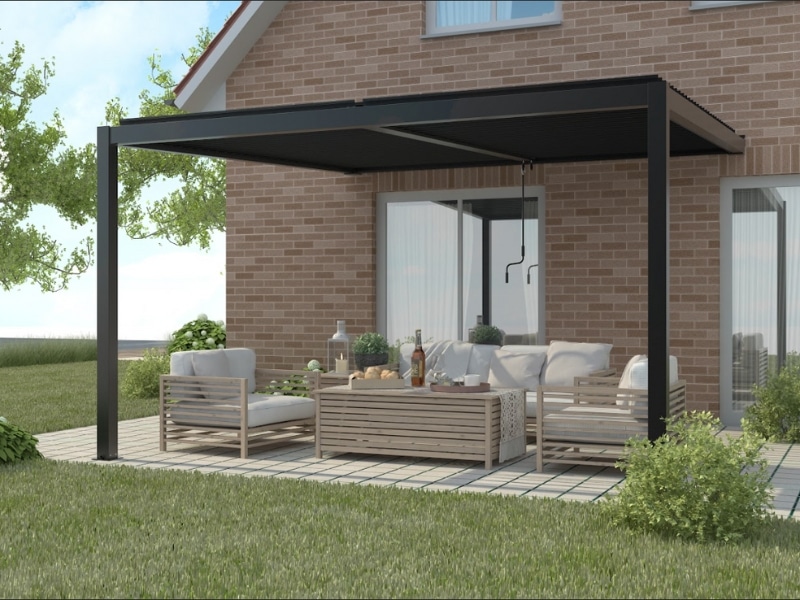
- Confirm soil reactivity; deeper, wider pads for clays that shrink and swell
- Keep posts out of traffic lines; offset with parallel beams to free the walkway
- Elevate post bases; prevent splashback rot and maintain airflow at the toe
- Align footings to gutter fall; don’t fight the drainage you engineered above
Use smart placement to keep sightlines open and movement easy. For span options and beam sizing, refer again to outdoor beam support regulations to stay on the safe side of structure and compliance.
How can you comply with Australian regulations for wall-attached pergolas?
Rules vary by council, but structural demands, setbacks and stormwater are consistent themes. The National Construction Code and local overlays set limits on height, fire setbacks and encroachments. Build neatly within those lines, and life’s easier with neighbours and inspectors. Here are the compliance checkpoints that stop your project stalling and keep outdoor compliance standards front and centre. Here are the compliance must-haves:
- Check whether it’s exempt or needs a permit; height and roof cover often decide it
- Respect boundary setbacks; fire separation matters near a neighbour’s wall
- Document fixings, spans and drainage; clear drawings speed up assessments
- Manage stormwater; never redirect flows onto a neighbour, especially on sloping blocks
With clear plans and durable detailing, you’ll spend more time enjoying your pergola and less time chasing approvals. Structure smart, lodge early, and you’ll avoid snags.
Final thoughts on choosing the right pergola for your side space
A side pergola can be the perfect way to enhance your outdoor lifestyle without overhauling your entire backyard. The key is to strike a balance between thoughtful design, solid structural support and awareness of local rules. Whether you’re working with a narrow strip or a generous side yard, the right choices will add value, comfort and appeal. If you’re weighing up your next steps or want to talk through ideas, you’ll find helpful advice from Unique Pergolas.