Blog
Common Pergola Height Mistakes Australians Make (and How to Avoid Them)

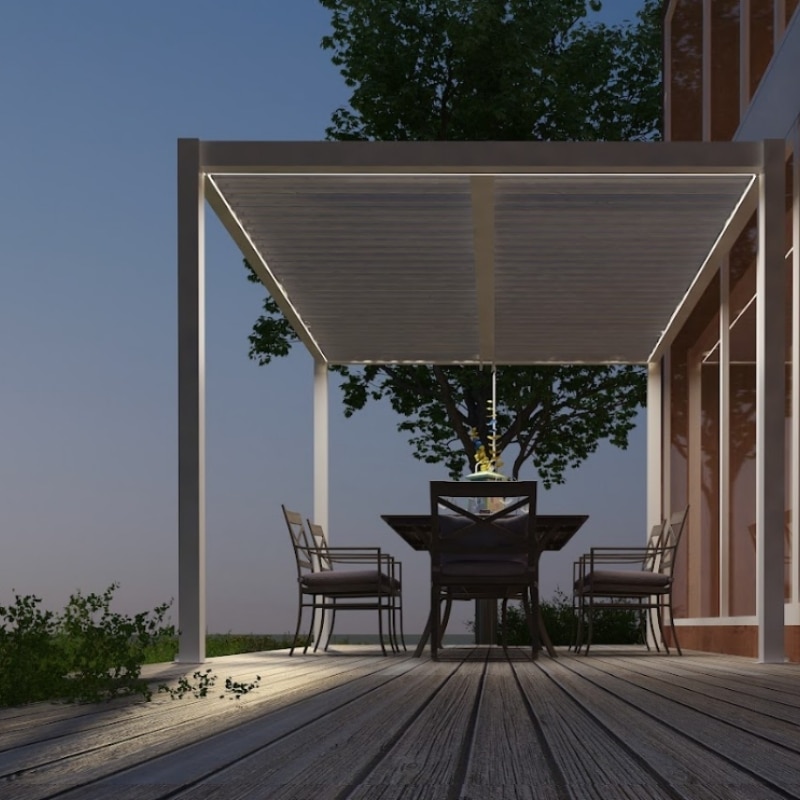
Building a pergola is one of the most popular ways Australians enhance outdoor living, adding shade, style and value to their homes. Yet one detail causes more frustration than almost any other: pergola height. Get it right, and your pergola feels airy, functional and beautifully integrated with your home. Get it wrong, and you can end up with poor airflow, limited usability, unexpected council issues or a structure that simply looks “off”.
This guide breaks down the most common pergola height mistakes Australians make, explains why they happen, and shows you exactly how to avoid them. Whether you’re planning a new build, upgrading an existing structure or comparing options, this article will help you make informed decisions that suit Australian conditions and lifestyles.
Why Pergola Height Matters More Than Most People Think
Pergola height isn’t just a technical measurement. It directly affects how your outdoor space feels and functions every day.
A poorly chosen height can:
• Trap heat and reduce airflow
• Limit head clearance and comfort
• Make furniture placement awkward
• Create visual imbalance with your home
• Increase the likelihood of approval complications
In Australia’s climate, where outdoor areas are used year-round, pergola height plays a major role in comfort, shade control and liveability.
Mistake 1 – Building the Pergola Too Low
Why does this mistake happen?
Many homeowners aim for a lower pergola to maximise shade or reduce material costs. Others copy dimensions from older structures without considering modern usage.
Problems caused by low pergola height
• Reduced airflow, especially in summer
• Heat build-up under the roof
• Feeling cramped or enclosed
• Limited ceiling fan or lighting options
• Taller users feel uncomfortable
A pergola that’s too low can turn a relaxing outdoor area into a space that feels stifling and impractical.
How to avoid it
• Consider minimum clearance for standing adults
• Allow extra height if installing ceiling fans or heaters
• Factor in roof pitch, not just post height
• Think about how the space will be used long-term
Exploring custom pergola designs for Australian homes helps ensure proportions are tailored to your property rather than guessed.
Mistake 2 – Going Too High Without a Purpose
Why does this mistake happens
Some homeowners assume higher is always better, especially for airflow. Others prioritise views without thinking about shade or structure proportions.
Problems caused by excessive height
• Reduced shade effectiveness
• Greater exposure to wind and rain
• Less privacy from neighbouring properties
• Higher engineering and construction costs
• Visual disconnect between house and pergola
An overly tall pergola can feel detached and fail to provide the comfort people expect.
How to avoid it
• Balance airflow with effective shade coverage
• Match pergola height to your home’s scale
• Consider roof type and orientation
• Work with professionals who assess function, not just appearance
Using complete pergola kits and bundle options can help align height, roof design and structural integrity from the outset.
Mistake 3 – Ignoring Roof Type When Choosing Height
Why roof design matters
Different pergola roof styles require different height considerations. A flat roof, gabled roof or curved design will each influence internal clearance and overall proportions.
Common roof-related height errors
• Flat roofs installed too low, restricting airflow
• Gabled roofs built too steep, creating excess height
• Inconsistent roof lines that clash with the home
How to avoid it
• Allow extra clearance for flat roof designs
• Account for internal ceiling height under pitched roofs
• Align roof lines with existing architecture
• Prioritise both internal comfort and external appearance
Understanding standard pergola height guidance for outdoor areas provides a reliable baseline before customising your design.
Mistake 4 – Forgetting About Furniture, Fixtures and Future Use
Why does this mistake happens
Pergola height is often chosen before furniture, lighting or appliances are considered. This leads to conflicts once the space is furnished.
Problems this creates
• Ceiling fans mounted too low
• Heaters or lights obstructing movement
• Tall furniture is overwhelming the space
• Limited flexibility for future upgrades
How to avoid it
• Plan the pergola around intended furniture
• Allow clearance for fans, lights and heaters
• Think about how the space might evolve
• Avoid designing purely for today’s needs
Australian outdoor areas often become extensions of indoor living, so flexibility is key.
Mistake 5 – Assuming There Is One “Standard” Pergola Height
Why this assumption is misleading
While guidelines exist, there is no single height that suits every Australian home. Climate, block size, house design and lifestyle all matter.
Risks of relying on generic measurements
• Poor shade performance
• Awkward proportions
• Missed opportunities for better airflow
• Design compromises that reduce enjoyment
How to avoid it
• Treat guidelines as a starting point only
• Customise height based on orientation and use
• Consider sun angles across seasons
• Factor in local weather patterns
This is especially important in regions with strong sun exposure or varying wind conditions.
Mistake 6 – Not Considering Local Planning and Approval Factors
Why is this mistake common
Homeowners often focus on aesthetics and forget that pergola height can influence whether approval is required.
Potential consequences
• Unexpected approval requirements
• Design changes late in the process
• Project delays
• Increased costs
How to avoid it
• Check local council planning requirements early
• Understand how height affects compliance thresholds
• Design with flexibility in mind
• Seek professional advice before finalising plans
Referencing local council planning requirementsensures your pergola height aligns with regional expectations and avoids unnecessary complications.
Mistake 7 – Failing to Match Pergola Height to the Home’s Architecture
Why proportion matters
A pergola should feel like a natural extension of your home, not an afterthought. Height plays a huge role in visual harmony.
Common visual mistakes
• Pergolas that overpower single-storey homes
• Structures that look undersized next to larger houses
• Rooflines that clash with existing design
How to avoid it
• Align pergola height with window and eave lines
• Match proportions to the home’s scale
• Use height to enhance, not compete with architecture
A well-proportioned pergola improves street appeal and overall property value.
Mistake 8 – Prioritising Cost Over Comfort and Function
Why this happens
Lower pergolas can seem cheaper initially, but the long-term trade-offs are often overlooked.
Long-term drawbacks
• Reduced usability
• Higher temperatures
• Limited upgrade options
• Potential retrofitting costs
How to avoid it
• View pergola height as an investment
• Balance upfront costs with long-term comfort
• Choose solutions designed for Australian conditions
Quality design almost always pays off in usability and satisfaction.
Frequently Asked Questions About Pergola Height
How high should a pergola be in Australia?
Most pergolas are designed to balance shade, airflow and comfort. The ideal height depends on roof type, intended use and local conditions rather than a single measurement.
Can a pergola be too low?
Yes. Pergolas built too low often trap heat, restrict airflow and feel uncomfortable, particularly during warmer months.
Does pergola height affect council approval?
In many areas, height can influence whether approval is required. It’s important to check local planning guidelines before finalising your design.
Is higher always better for airflow?
Not necessarily. While height can improve airflow, excessive height can reduce shade effectiveness and increase exposure to the weather.
Final Thoughts – Getting Pergola Height Right the First Time
Pergola height mistakes are common, but they’re also completely avoidable. By understanding how height affects comfort, airflow, compliance and aesthetics, Australian homeowners can make smarter choices that enhance outdoor living for years to come.
Whether you’re building from scratch or refining a design, taking a considered approach to pergola height ensures your investment delivers real lifestyle benefits rather than ongoing frustrations.