Blog
Are Glass Sliding Doors for Pergolas Worth It? Benefits, Sizing & Maintenance Explained

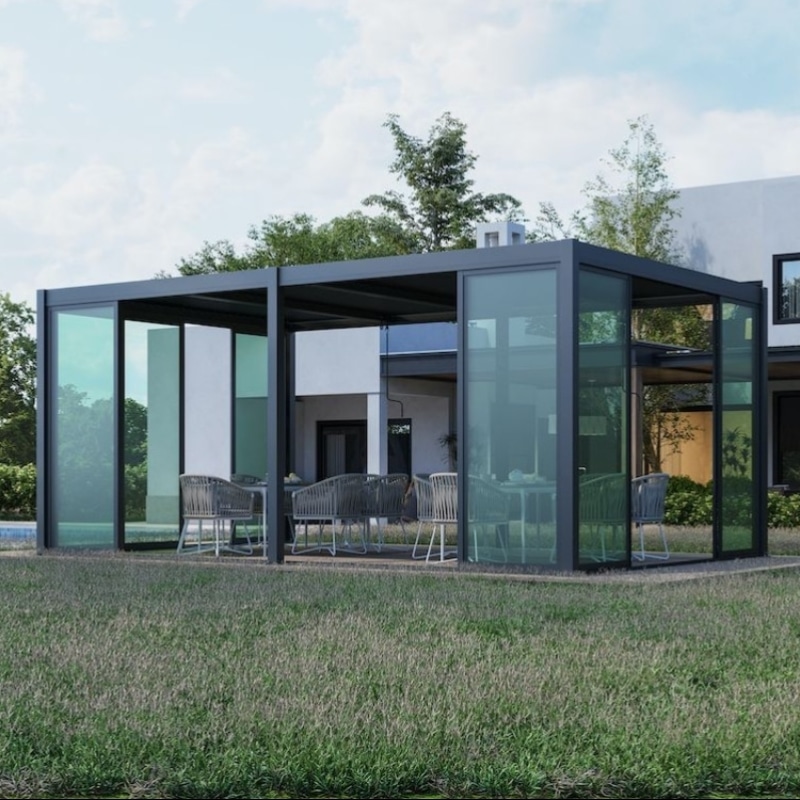
Outdoor living is a big part of the Australian lifestyle. Whether it’s summer barbecues, winter firepit evenings, or simply enjoying a quiet morning coffee, a pergola creates a flexible space that connects your home to the outdoors.
But open pergolas don’t always deliver year-round comfort. Wind, rain, coastal salt spray and harsh UV exposure can limit how often you use the space. That’s where glass sliding doors come into the conversation.
If you’re considering enclosing your pergola, this guide explains the real-world benefits, sizing considerations and maintenance expectations — with a strong focus on Australian conditions and how glass sliding doors integrate into modern outdoor spaces.
Are Glass Sliding Doors for Pergolas Worth It in Australia?
For many homeowners, the short answer is yes — but it depends on your goals, location and structure.
glass sliding doors can:
• Reduce wind exposure
• Protect against rain
• Improve temperature control
• Extend seasonal usability
• Increase perceived property value
• Maintain views and natural light
In Australia, where weather extremes can shift quickly, enclosing a pergola with glass often transforms it from a fair-weather area into a year-round entertaining zone.
However, the value comes from choosing the right configuration, understanding structural requirements, and selecting high-quality materials suited to Australian standards.
The Core Benefits of Glass Sliding Systems for Pergolas
1. Year-Round Usability
In coastal NSW or Victoria, wind chill can make open pergolas uncomfortable outside peak summer months. In Queensland, sudden storms can interrupt gatherings.
Glass sliding systems allow you to close off the space when needed, while still opening it fully during warm, calm days. This flexibility is why many homeowners explore premium glass sliding doors for pergolas as part of an outdoor upgrade.
2. Wind and Weather Protection
Wind is one of the biggest issues for exposed pergolas. Properly installed glass systems act as a barrier while still allowing visibility.
In high-wind areas, thicker toughened or laminated glass may be recommended. Always consider local wind classifications and structural load capacity.
3. Natural Light Without Compromise
Unlike solid walls, glass maintains the open feel of your backyard. You retain garden views, daylight and connection to the outdoors — which is essential in Australian home design.
4. Noise Reduction
If you live near a busy road, glass panels can reduce ambient noise. While not soundproof, they can noticeably soften traffic and neighbourhood sounds.
5. Improved Energy Efficiency
When connected to the home, enclosing a pergola can create a buffer zone. This may reduce direct heat gain in summer and minimise cold air infiltration in winter.
Glass Types: What’s Suitable for Outdoor Pergolas?
Not all glass is appropriate for external applications.
Toughened Safety Glass
Commonly used due to its strength and safety properties. When broken, it shatters into small granular pieces rather than sharp shards.
Laminated Glass
Includes a bonded interlayer. Offers improved safety and some acoustic benefits. Often considered in higher-wind areas or where additional safety performance is required.
Glass Thickness Considerations
Thickness depends on:
• Panel height and width
• Wind load requirements
• Structural support
• Local building codes
In Australia, glass installations must align with the National Construction Code. The Australian Building Codes Board provides guidance on performance requirements and safety standards through the National Construction Code framework.
Always confirm compliance requirements in your local council area before proceeding.
Sizing: How to Measure a Pergola for Glass Sliding Doors
Correct measurements are critical. Poor sizing leads to alignment issues, water ingress and operational problems.
Step 1: Measure the Opening Width
Measure the clear span between posts or structural supports. Take measurements at:
• Top
• Middle
• Bottom
Variations can indicate structural movement or uneven surfaces.
Step 2: Measure the Height
Measure from the finished floor level to the underside of the beam. Again, check both sides and the centre.
Step 3: Check for Level and Plumb
Use a spirit level to assess:
• Vertical alignment of posts
• Horizontal alignment of beams
Even minor deviations can affect sliding performance.
Step 4: Consider Track Space
Glass sliding systems require track clearance at the top and bottom. Ensure there is sufficient structural support to carry the weight of multiple panels.
Step 5: Allow for Expansion and Drainage
Outdoor installations must allow for:
• Thermal expansion
• Water runoff
• Debris drainage
In heavy rainfall regions like northern NSW or tropical Queensland, drainage planning is essential.
Quick Answer: Can I Measure It Myself?
You can take preliminary measurements, but final sizing should be confirmed by experienced professionals. Glass panels are heavy and require precise fabrication tolerances.
Australian Climate Considerations
Coastal Areas
Salt air accelerates corrosion. Look for:
• Marine-grade aluminium tracks
• Corrosion-resistant hardware
• Regular cleaning schedules
Homes along the WA coast or Sydney’s northern beaches particularly benefit from higher-grade materials.
High UV Zones
Australia’s UV levels are among the highest globally. Prolonged exposure can affect seals and track components. Choose systems designed for long-term UV resistance.
Bushfire-Prone Areas
If your property falls within a designated bushfire zone, additional compliance may apply. Always confirm BAL requirements before installing glass systems.
Heavy Rainfall Regions
Water management is critical. Poor installation can lead to pooling, leaks or internal damage.
Maintenance: What’s Required Long-Term?
Glass sliding systems are relatively low maintenance — but not maintenance-free.
Regular Cleaning
Clean glass with:
• Mild detergent
• Soft cloth or squeegee
• Fresh water rinse in coastal areas
Avoid abrasive pads that can scratch surfaces.
Track Cleaning
Tracks collect:
• Dust
• Leaves
• Sand
• Insects
Blocked tracks can cause sticking or misalignment. Vacuum or brush them out regularly.
Hardware Inspection
Check annually for:
• Loose fixings
• Worn rollers
• Seal deterioration
In coastal environments, inspect more frequently.
Quick Answer: Do Glass Systems Rust?
The glass itself won’t rust, but hardware can corrode if not properly specified. High-quality materials are crucial in Australian outdoor settings.
When Should You Consider Glass Sliding Doors Specifically?
Not all glass systems operate the same way. Sliding configurations are particularly practical for pergolas because they:
• Stack neatly
• Don’t require swing clearance
• Allow partial opening
• Suit wide spans
If your pergola connects directly to a patio or indoor living area, outdoor glass sliding doors in Australia are often preferred for their space efficiency and clean sightlines.
They also align well with contemporary architecture, especially when integrated as modern glass sliding doors for outdoor spaces that prioritise minimal framing and uninterrupted views.
Common Questions Homeowners Ask
Will Glass Make My Pergola Too Hot?
Not necessarily. Ventilation and orientation matter. Sliding systems allow airflow control — open panels during warm weather and close them during cooler evenings.
Is Condensation a Problem?
Condensation can occur when temperature differences exist between the inside and outside air. Proper ventilation reduces this issue.
How Long Do Glass Sliding Doors Last?
With proper installation and maintenance, high-quality systems can last many years. Longevity depends on:
• Material grade
• Exposure conditions
• Maintenance consistency
Does Enclosing a Pergola Require Council Approval?
Requirements vary by council and structural impact. Minor modifications may not require approval, but structural changes often do. Always verify with your local authority.
Situations Where Glass Systems Make the Most Sense
Glass sliding doors are especially worthwhile if:
• Your pergola faces strong prevailing winds
• You want year-round usability
• You host gatherings regularly
• You want to maintain views while improving comfort
• You’re upgrading an existing outdoor entertaining area
They may be less necessary if:
• Your pergola is fully sheltered
• You rarely use the space
• Structural supports cannot handle additional weight
Final Thoughts: Are They Worth It?
For many Australian homeowners, enclosing a pergola with glass dramatically improves how often and how comfortably the space can be used.
The key factors that determine value are:
• Correct sizing
• Climate suitability
• Compliance awareness
• Ongoing maintenance
• System quality
When carefully planned, glass sliding systems provide flexibility without sacrificing openness — making them one of the most practical upgrades for outdoor living areas.
If you’re exploring options, reviewing available premium glass sliding doors for pergolas can help you understand panel configurations, track systems and design styles that suit Australian homes.
Frequently Asked Questions
What thickness of glass is best for pergolas in Australia?
It depends on wind exposure and panel size. Toughened safety glass is commonly used, with thickness determined by structural requirements and local codes.
Are sliding systems better than fixed panels?
Sliding systems offer flexibility. Fixed panels provide protection but don’t allow ventilation control.
How often should I service outdoor glass systems?
Inspect annually, and clean tracks regularly — more frequently in coastal environments.
Can glass systems increase property value?
They can improve usability and visual appeal, which may positively influence buyer perception.
Are glass sliding doors safe for families?
Yes, when made from compliant safety glass and properly installed.