Blog
Manual vs Motorised Outdoor Shade Systems: Which Is Better for Australian Homes?

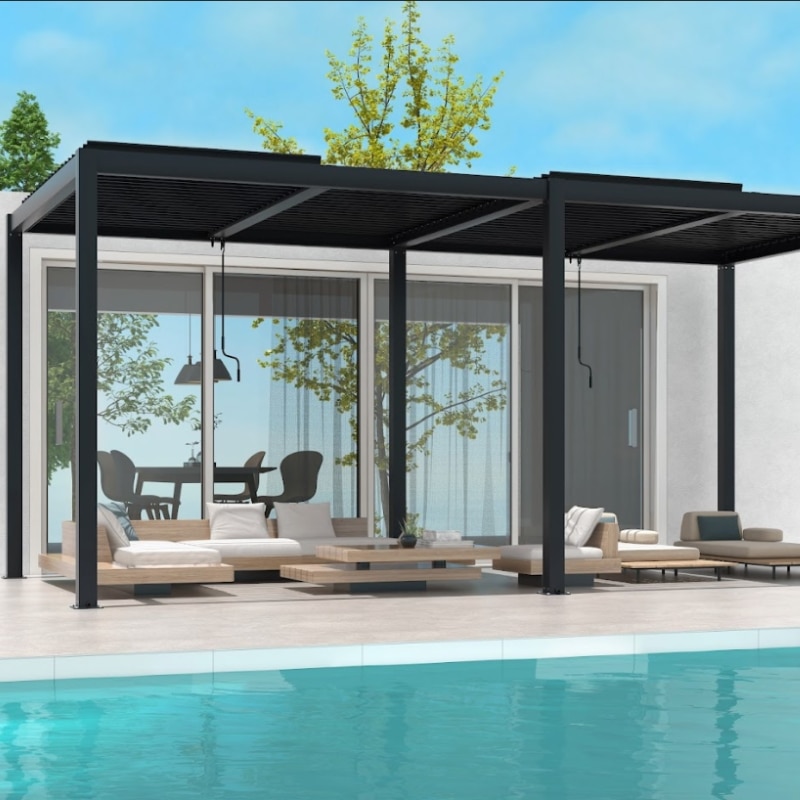
When it comes to upgrading your outdoor living area, one of the biggest decisions Australian homeowners face is choosing between manual and motorised pergolas.
Both options offer adjustable shade, protection from the elements, and improved year-round usability. But they differ in operation, cost, maintenance, durability, and long-term reliability — especially under Australia’s harsh sun, coastal air, heavy rain, and sudden storms.
So which is better for your home?
The answer depends on how you use your outdoor space, your budget, and how much convenience you want built into the system. This guide breaks down the real-world differences between manual and motorised pergolas, with practical advice tailored specifically for Australian conditions.
What’s the Difference Between Manual and Motorised Pergolas?
At their core, both systems use adjustable louvres or roofing panels that open and close to control sunlight and ventilation.
The key difference is how they operate.
Manual Pergolas
Manual pergolas use a hand-operated mechanism, typically a crank handle, to adjust the louvres. You physically control the angle of the blades depending on sun, shade, or rain.
There are no motors, no wiring, and no electronic components involved.
Motorised Pergolas
Motorised pergolas use an electric motor to adjust the louvres. They are typically operated by:
• Remote control
• Wall switch
• Smartphone app
• Smart home integration
• Rain or wind sensors
They provide push-button convenience but rely on electrical systems.
Now let’s break down how they compare in the areas that matter most.
Cost Comparison: Upfront vs Long-Term
Upfront Cost
Motorised pergolas generally cost more due to:
• Electric motors
• Control systems
• Wiring and installation
• Optional sensors and automation features
Manual pergolas are more budget-friendly because they don’t include electronic components.
For many Australian homeowners, especially those prioritising function over automation, manual systems offer strong value without unnecessary complexity.
Long-Term Cost
This is where the gap often widens.
Motorised systems may incur additional costs over time, including:
• Electrical repairs
• Motor replacement
• Sensor recalibration
• Professional servicing
Manual pergolas have fewer mechanical components that can fail, often translating to lower long-term maintenance expenses.
If reliability and predictable ownership costs are important to you, this is a major factor.
How Do They Perform in Australian Weather?
Australia’s climate isn’t forgiving.
We deal with:
• Intense UV exposure
• Sudden summer storms
• Coastal salt air
• High winds
• Heavy rainfall
Your pergola must handle these extremes.
Manual Pergolas in Harsh Conditions
Manual pergolas perform well in tough environments because:
• No electrical components are exposed
• No risk of motor failure during storms
• No reliance on power supply
In regional areas where outages occur during severe weather, manual operation can be a practical advantage.
For homeowners in cyclone-prone or coastal zones, simplicity can equal reliability.
Motorised Pergolas in Harsh Conditions
Motorised systems can include wind and rain sensors that automatically close the roof when the weather changes.
However:
• Sensors can fail
• Power outages can prevent operation
• Electronics may degrade faster in salty coastal air
For compliance guidance around outdoor structures, the Australian Building Codes Board provides information through the National Construction Code, which homeowners should review when planning structural additions.
Durability ultimately depends on build quality — but fewer electronic parts often mean fewer potential failure points.
Convenience vs Control
Is Motorised Always Better?
Motorised pergolas win on convenience.
With a remote or smartphone, you can adjust the roof instantly without leaving your seat. This is particularly appealing for:
• Larger installations
• Multi-storey homes
• Elderly homeowners
• Smart home users
But convenience doesn’t always outweigh reliability.
Manual systems provide:
• Immediate mechanical control
• No waiting for motors
• No reliance on connectivity
• No electrical troubleshooting
For many households, especially those that adjust the roof only occasionally, manual operation is more than sufficient.
Maintenance Requirements
Manual Pergolas
Maintenance typically involves:
• Occasional lubrication of moving parts
• General cleaning
• Routine inspections
There are no motors to service and no circuit boards to replace.
Motorised Pergolas
Motorised systems require:
• Electrical inspections
• Motor servicing
• Possible replacement of control units
• Weather sensor calibration
In coastal areas of Australia, salt corrosion can accelerate wear on electrical components.
If low-maintenance ownership is your priority, this is an important difference.
Power Outages: A Real-World Consideration
This question often gets overlooked.
What Happens During a Power Outage?
With a motorised pergola, if there’s no power:
• The system may not operate
• You may not be able to close the louvres during sudden rain
• Emergency override systems may be required
Manual pergolas remain fully functional at all times.
In bushfire-prone or storm-heavy regions where outages are more common, this can influence your decision.
Noise Levels
Motorised pergolas produce mechanical noise during operation. While typically quiet, it’s still noticeable.
Manual pergolas operate silently apart from minor mechanical movement.
If you value peaceful outdoor entertaining without mechanical sound, this may matter more than you expect.
Smart Features: Are They Worth It?
Motorised systems can integrate with:
• Smart home systems
• Automated weather detection
• Scheduled shade control
These features appeal to tech-focused homeowners.
However, automation also introduces:
• Greater complexity
• Increased maintenance
• Higher replacement costs
If your primary goal is weather protection and adjustable shade, manual systems deliver the core function without technological dependency.
Lifespan Comparison
Do Manual Pergolas Last Longer?
While lifespan depends on materials and installation quality, manual pergolas often experience fewer technical failures simply because fewer components can malfunction.
Motorised systems are durable when well-maintained, but motors and electronics have finite service lives.
If longevity with minimal intervention is a priority, manual systems can be a strong choice.
For homeowners looking for quality manual pergolas for Australian homes, durability in harsh conditions is often a deciding factor.
Which Option Suits Different Homeowners?
Let’s break it down by scenario.
Scenario 1: Coastal Property
Salt air increases corrosion risk.
Manual pergolas reduce exposure of sensitive electronic components and may offer simpler long-term reliability.
Scenario 2: Smart Home Integration
If your home already integrates lighting, blinds, and climate control systems, motorised pergolas may align with your setup.
Scenario 3: Budget-Conscious Renovation
Manual pergolas typically deliver strong functionality at a lower initial cost.
Scenario 4: Remote or Regional Area
Power reliability can influence your decision. Manual systems operate regardless of electrical supply.
Scenario 5: High-Use Entertaining Area
If you adjust the roof frequently during gatherings, motorised convenience may feel worthwhile.
But if adjustments are occasional, manual operation remains practical.
Common Questions Homeowners Ask
Are motorised pergolas worth the extra cost in Australia?
They can be if convenience and automation are high priorities. However, many homeowners find that manual pergolas provide excellent performance without the added expense of motors and electronics.
Do manual pergolas look less modern?
No. The aesthetic difference is minimal. The mechanism is internal and does not significantly change the visual appearance.
Are manual pergolas harder to use?
Not typically. Most crank systems are smooth and designed for easy operation.
Which option handles heavy rain better?
Both systems can perform well when designed properly. The key factor is structural integrity and correct installation rather than the operation type.
Are motorised systems more likely to break?
They have more components that can potentially fail, especially motors and electronics.
Decision Checklist: Manual vs Motorised
Before choosing, ask yourself:
• How often will I adjust the roof?
•Do I prioritise simplicity or automation?
•Is my home in a coastal or high-wind area?
•Am I comfortable maintaining electrical systems?
•What is my long-term maintenance budget?
•Do I want integration with smart home technology?
If your answers lean toward simplicity, durability, and lower ongoing maintenance, you may want to explore manual pergola options further.
When Manual Pergolas Make Strong Sense in Australia
Manual pergolas are often ideal when:
• You want mechanical reliability
• You live in coastal environments
• You experience frequent storms or outages
• You prefer lower long-term servicing needs
• You want a straightforward operation
For homeowners who value practicality over automation, it’s worth taking time to Learn more about manual pergola systems before committing to a motorised upgrade.
Final Thoughts: Which Is Better?
There’s no universal winner.
Motorised pergolas offer modern convenience and automation.
Manual pergolas offer simplicity, reliability, and lower complexity — qualities that align well with Australia’s demanding climate conditions.
If you’re weighing up manual vs motorised pergolas, think beyond features and consider:
• Long-term durability
• Environmental exposure
• Maintenance tolerance
• Realistic usage patterns
For many Australian households, manual systems strike a balance between functionality and resilience — particularly when built with materials suited to local conditions.
Frequently Asked Questions
Is a manual pergola strong enough for Australian weather?
Yes, when built to appropriate structural standards and installed correctly, manual pergolas can withstand Australian sun, wind, and rain conditions.
Do motorised pergolas require more servicing?
Generally, yes. Motors, wiring, and sensors may require periodic servicing or replacement.
Can manual pergolas handle heavy rain?
Properly designed systems with correct drainage can manage significant rainfall.
Are motorised pergolas better for resale value?
Automation may appeal to some buyers, but structural quality and durability usually matter more.
Is one safer than the other?
Both can be safe when installed to meet Australian standards. Always ensure compliance with relevant building regulations.