Blog
Building a Pergola on Your Property: What Australian Homeowners Need to Know

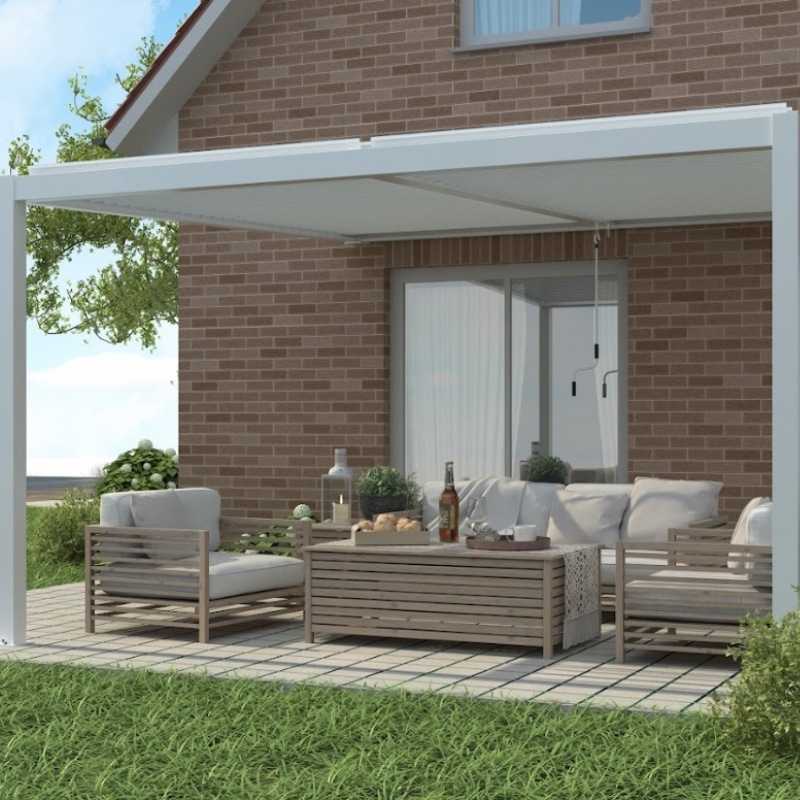
Building a pergola is one of the most popular ways Australian homeowners enhance their outdoor living spaces. Whether you’re creating shade for summer entertaining, adding value to your home, or defining an outdoor area, a pergola can be both practical and visually appealing.
However, building a pergola on your property involves far more than choosing a design and picking materials. Council regulations, structural compliance, property boundaries, and long-term maintenance all play a role in whether your pergola becomes an asset or a costly mistake.
This guide explains everything Australian homeowners need to know before building a pergola, so you can make informed decisions, avoid compliance issues, and achieve a result that suits your home and lifestyle.
What Is Considered a Pergola in Australia?
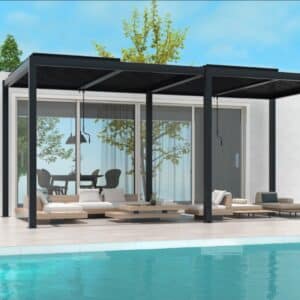
A pergola is generally defined as an outdoor structure consisting of posts supporting an open or partially covered roof. Pergolas can be:
• Freestanding or attached to a dwelling
• Open-roof, slatted, or partially roofed
• Used for shade, entertainment, or aesthetic appeal
In Australia, whether a structure is legally classified as a pergola depends on its design, roofing material, and level of permanence. Once a pergola becomes fully roofed or enclosed, it may be classified differently under building regulations, triggering additional approval requirements.
Do You Need Council Approval to Build a Pergola?
The Short Answer
Sometimes yes, sometimes no — and this depends on your state, council, and pergola design.
When Approval Is Usually Required
You will generally need council or private certifier approval if your pergola:
• Exceeds size or height limits
• Is attached to an existing dwelling
• Has a solid or waterproof roof
• Is built close to property boundaries
• Impacts drainage, easements, or neighbouring properties
When Approval May Not Be Required
Some councils allow exempt or complying pergolas if they:
• Stay within maximum height limits
• Remain open-roof or partially open
• Are set back from boundaries
• Do not affect structural integrity
Because rules vary widely, Australian homeowners should always check with state and local planning authorities before starting construction.
State-by-State Differences Homeowners Should Know
While national building codes exist, pergola approvals are primarily handled at a state and council level.
New South Wales
Many pergolas fall under complying development, but height, size, and boundary setbacks are strictly enforced.
Victoria
Pergolas often require a building permit if they are attached or roofed. Open structures may be exempt under certain conditions.
Queensland
Pergola approvals depend heavily on roof coverage and proximity to boundaries, particularly in cyclone-prone zones.
Other States
South Australia, Western Australia, Tasmania and the ACT each apply their own interpretation of the National Construction Code, meaning local advice is essential.
Key Design Decisions When Building a Pergola
Freestanding vs Attached Pergolas
Freestanding pergolas offer flexibility and may face fewer approval constraints, while attached pergolas provide seamless integration with your home but often require more approvals.
Roof Style Options
Common roof styles include:
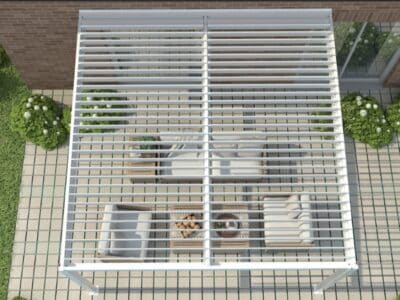
• Open slatted roofs
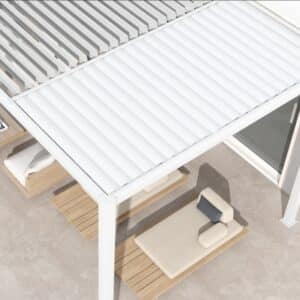
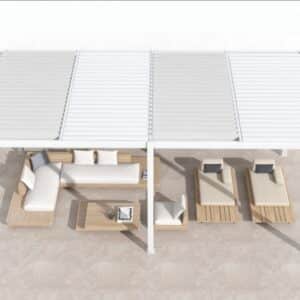
• Louvered roofing systems
• Polycarbonate or insulated panels
The more enclosed the roof, the more likely approvals and engineering will be required.
Orientation and Shade
Consider sun direction, wind exposure, and seasonal changes to maximise comfort year-round.
Choosing the Right Materials for Australian Conditions
Australian weather conditions demand durable materials that can withstand sun, wind, and rain.
Timber Pergolas
• Natural aesthetic
• Requires ongoing maintenance
• Can warp or fade over time
Aluminium Pergolas
• Low maintenance
• Highly durable
• Modern appearance
Steel Pergolas
• Extremely strong
• Ideal for larger spans
• Requires corrosion protection
Homeowners can explore different pergola styles and material options available to find the best fit for their property and climate.
How Much Does It Cost to Build a Pergola?
Pergola costs vary significantly depending on:
• Size and complexity
• Materials used
• Site preparation
• Engineering and approvals
• Professional installation
Typical Cost Ranges in Australia
• Basic pergolas: lower cost range
• Custom-designed pergolas: mid to high range
• Fully integrated outdoor structures: premium investment
Choosing pergola design and installation bundles can often simplify budgeting by combining design, materials, and construction into one solution.
DIY vs Professional Pergola Construction
Can You Build a Pergola Yourself?
DIY pergolas may be suitable for small, simple structures, but they carry risks:
• Incorrect footings or fixings
• Non-compliance with regulations
• Structural safety issues
• Insurance complications
Benefits of Using Professionals
Professional builders ensure:
• Compliance with Australian standards
• Correct approvals and certifications
• Structural integrity
• Long-term durability
Homeowners who want deeper insights can follow a step-by-step guide to building a pergola, but professional construction remains the safest option for most properties.
Structural and Safety Considerations
Pergolas must be safely handled:
• Wind loads
• Roof weight
• Attachment forces
• Ground movement
Improperly built pergolas can fail during storms, creating safety hazards and liability risks.
Boundary Rules and Neighbour Considerations
Building close to boundaries can trigger disputes if not handled correctly.
Key considerations include:
• Minimum setback distances
• Overlooking or overshadowing concerns
• Drainage and runoff management
• Shared fence impacts
Discussing plans with neighbours early can prevent costly disputes later.
Insurance, Resale Value and Legal Risks
Insurance Implications
Unapproved or non-compliant pergolas may:
• Void home insurance
• Lead to denied claims
• Require costly retrofits
Impact on Property Value
A well-designed, compliant pergola can:
• Increase resale appeal
• Enhance outdoor usability
• Add functional living space
Poorly built pergolas can reduce buyer confidence and delay sales.
Common Mistakes Australian Homeowners Make
Avoid these frequent issues:
• Assuming approval isn’t required
• Building too close to boundaries
• Underestimating costs
• Choosing unsuitable materials
• Skipping engineering advice
H2:FAQ
Do I need council approval to build a pergola?
It depends on size, roof type, location and council rules. Always check first.
Is a pergola considered a permanent structure?
Yes, if it is fixed to the ground or attached to a building.
Can I build a pergola close to my fence?
Only if setback requirements are met, or approval is granted.
Does a pergola add value to a home?
Yes, when professionally designed and compliant.
Why Planning Ahead Makes All the Difference
Building a pergola should enhance your lifestyle, not create legal or financial stress. Proper planning ensures:
• Compliance with regulations
• Structural safety
• Long-term value
• Peace of mind
Australian homeowners who take the time to understand the process are far more likely to enjoy their pergola for years to come.
Final Thoughts for Australian Homeowners
Building a pergola on your property is a rewarding investment when done correctly. By understanding approvals, materials, costs, and compliance requirements, you can avoid common pitfalls and create an outdoor space that truly adds value to your home.
If you’re unsure where to start, speaking with experienced professionals can help ensure your pergola is designed and built to Australian standards from day one.