Blog
How Do Material Choices Impact Pergola Home Design Durability?

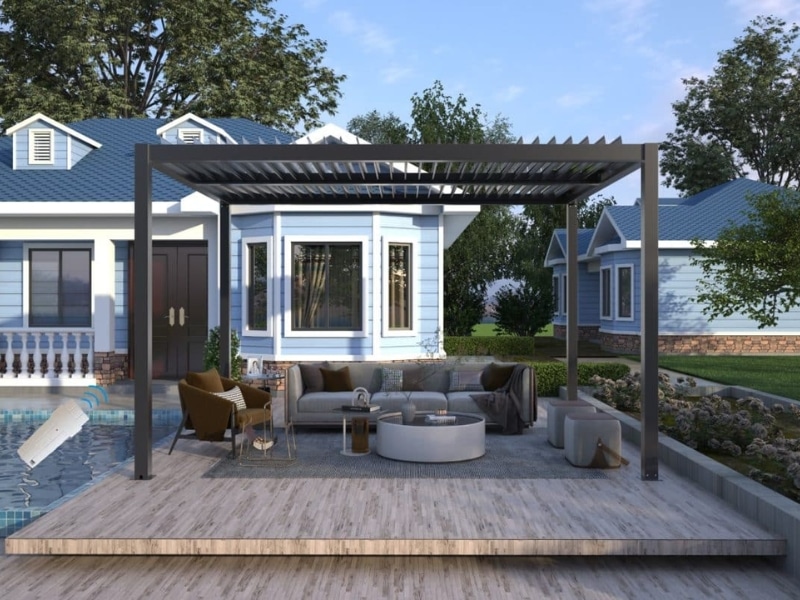
Material choices directly determine how long a pergola lasts, especially under harsh Australian conditions. In many homes, pergolas fail prematurely, not because of poor installation, but due to unsuitable material selections. When planning a pergola home design, you need more than aesthetic appeal — durability is critical. Homeowners often underestimate the Australian climate, exposing timber to rot, metal to rust, and plastic to brittleness. This article explores how the right or wrong material decisions can make or break your pergola over time.
Why do some pergola materials fail faster than others?
Pergola materials often fail faster due to poor quality, mismatched climate suitability, or shortcuts taken to reduce upfront cost. Many Australians base decisions solely on price, not understanding the environmental strain certain materials can’t withstand. Here are the key reasons materials wear out prematurely:
- Homeowners often prioritise cheaper costs over long-term resilience, opting for untreated timber or thin metal that can’t handle seasonal shifts.
- Steel frames that aren’t galvanised or powder-coated can rust within a year, especially in coastal or humid regions.
- Timber that’s not treated against pests or moisture can rot quickly, even if initially sealed or painted.
- Plastic components, while affordable, can become brittle in extreme sun exposure, leading to cracks and eventual structural failure.
Durability isn’t just about strength — it’s about choosing materials suited to local conditions. With Australia’s varied climate zones, material suitability must align with the environment. To avoid these issues altogether, many homeowners opt for affordable pergola kits online that use tested, climate-compatible components.
What structural problems occur with poor pergola materials?
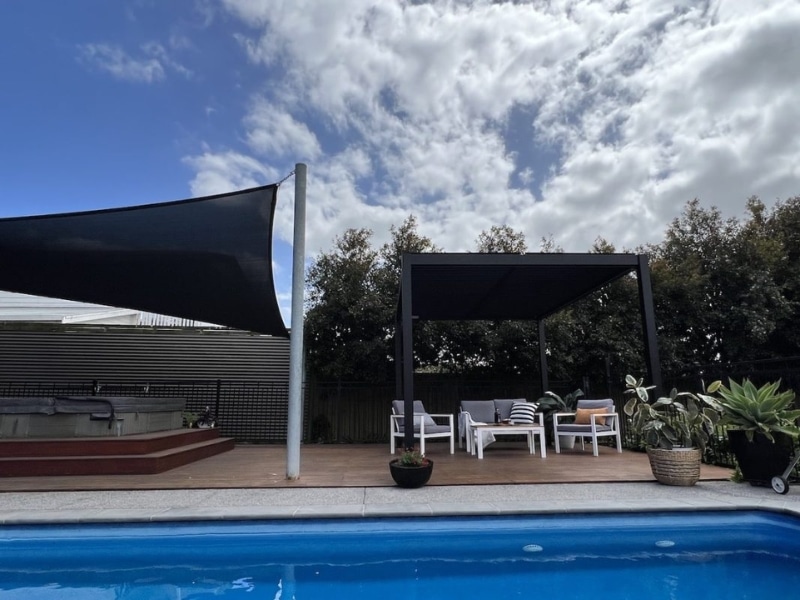
Using subpar materials leads to a range of structural issues — from sagging beams to unstable footings. A pergola’s integrity depends on its load-bearing parts and the hardware that keeps everything aligned and locked together. Here are the most common structural failures:
- Low-grade timber beams can warp, bend or sag under heat and humidity, affecting alignment and drainage.
- Cheap connectors and nails may corrode or loosen, causing unstable joints or uneven roofing.
- Inadequate foundations can shift over time, especially in regions with clay soils or seasonal rain.
- Frames not built to Australian AS/NZS structural standards may fail inspection, risking both safety and insurance claims.
Poor structure leads not just to repairs, but to potential safety risks. Sagging beams and cracked connections are warning signs not to ignore.
How can cheap timber or metal affect pergola longevity?
Cheap materials drastically reduce a pergola’s lifespan and often require higher maintenance or full replacements within a few years. Investing in higher-grade timber or metal upfront reduces both costs and frustration over time. Here are the key impacts of inferior materials:
- Untreated pine may only last 3–5 years outdoors, even with coatings, especially in wet or humid locations.
- Low-quality steel corrodes quickly if not properly sealed, especially in coastal or high-rainfall areas.
- Budget aluminium may dent or deform under load, particularly with wide spans unsupported by braces.
- Ongoing upkeep for low-grade materials costs more than upfront investment in durable options — sealing, repainting, or total replacement adds up fast.
For example, some imported steel pergolas have shown signs of corrosion in as little as 2–3 years when exposed to ocean spray or summer storms. That’s a short lifespan for a structure meant to last decades. This is why many smart renovators aim to build a pergola with strong frame materials that can withstand Australia’s punishing conditions.
Which materials offer the best pergola lifespan?
The best materials for Australian pergolas are those that resist weathering, require low maintenance, and offer strength without excessive weight. Quality materials also balance cost-efficiency with lifespan value. Here are the most durable pergola material options:
- Aluminium is lightweight, rust-resistant, and excellent for modern designs, requiring minimal maintenance over 15–20 years.
- Galvanised or powder-coated steel offers premium strength, especially for large spans, and is suitable for high-wind zones.
- Hardwood like spotted gum or ironbark delivers both aesthetics and durability, though they require regular oiling.
- Composite timber blends offer a timber look without rot or pests, ideal for low-maintenance outdoor living.
Each material has its pros and cons, but aluminium and composite often win for long-term returns and minimal fuss. If you’re weighing material types, it’s worth exploring how to choose the right enclosed pergola materials for your specific location and pergola design goals.
How does proper coating or sealing prevent wear?
Proper sealing is essential in protecting pergola materials from UV exposure, moisture damage, and decay. Whether using timber, metal, or hybrid systems, coatings add a protective barrier against the elements. Here are the most effective sealing and coating tips:
- Oil-based sealants deeply penetrate timber, enhancing grain while protecting against moisture and insects.
- Epoxy-based sealants offer high durability for wood exposed to constant sun or rain, but require a controlled application.
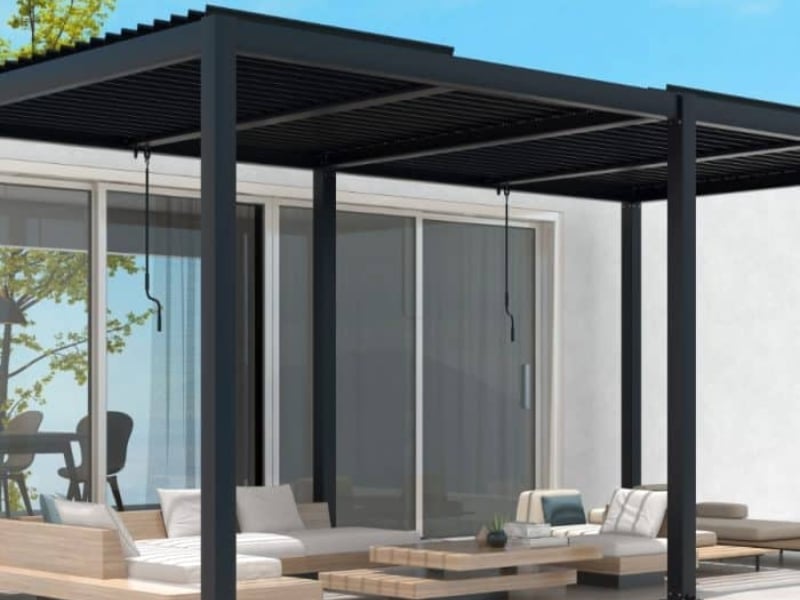
- Powder-coated finishes on metal create a hard, UV-resistant shell, ideal for aluminium or steel frames.
- Routine resealing — at least every 2–3 years — is essential, especially for timber in uncovered outdoor spaces.
Here are the signs your pergola needs resealing:
- Fading or discolouration on timber surfaces
- Water no longer beads on sealed areas
- Visible cracking or peeling on coated metal
- Increased moisture in timber after rainfall
Ignoring these signs can accelerate damage. A little upkeep goes a long way.
What role does design structure play in lasting performance?
A pergola’s design isn’t just about style — it’s a major factor in how well the structure holds up over time. Smart frame design improves load distribution, minimises weak points, and allows for better drainage and ventilation. Here are the critical design elements for durability:
- Cross-bracing adds lateral strength, especially in freestanding pergolas or wind-prone locations.
- Post depth and width must suit your material type and wind rating, avoiding wobble or shift.
- Joint placement and reinforcement should align with structural loads, particularly around roofing and beams.
- Frame anchoring — whether concrete footings or wall mounts — must suit the soil and wind class for longevity.
Here’s a table comparing ideal frame dimensions based on material:
| Material | Recommended Post Size | Bracing Needed? | Typical Lifespan |
| Aluminium | 90mm x 90mm | Yes | 15–20 years |
| Treated Timber | 100mm x 100mm | Optional | 10–15 years |
| Steel | 75mm x 75mm RHS | Yes | 20+ years |
A thoughtful pergola frame design isn’t just for stability — it extends your pergola’s working life by a decade or more.
Final thoughts on durable pergola home design materials
The right materials are the backbone of any long-lasting pergola home design. By combining the best structural choices with proper treatment and thoughtful planning, your pergola can thrive in any Australian climate. Strength, sealing, and design matter just as much as style. For tailored advice or questions about your space, get in touch with Unique Pergolas.