Blog

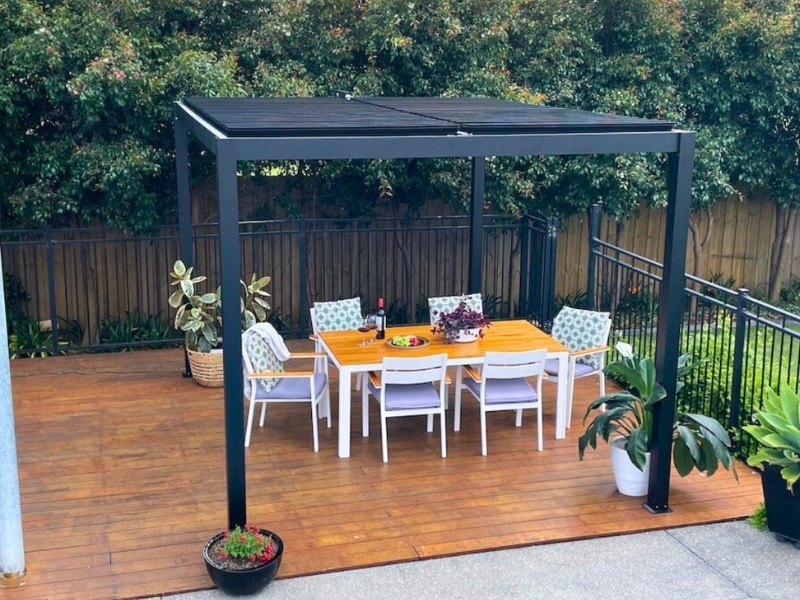
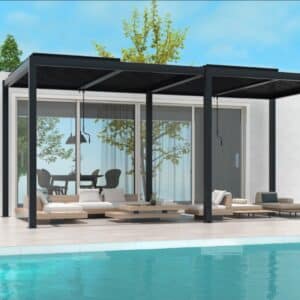
Modern homes with pergolas on patios tend to feel more inviting because they extend your indoor comfort outdoors, protecting from rain or harsh sun, and adding charm you notice whenever you walk outside. Many people find their patios rarely used—not because the space is bad, but because shade, style and practicality haven’t been fully considered. With thoughtful choices about structure, materials and design, pergolas on patios can become favourite weekend retreats or evening gathering spots rather than dusty, blazing slabs. This article explores how pergolas on patios improve shade, comfort, property value, safety, and long‑term satisfaction by pointing out shared problems, offering practical fixes, and helping you decide what’s right for your home.
Why do many outdoor spaces feel incomplete without shade?
Outdoor patios often feel unfinished when they’re exposed to unfiltered sunlight, glare, or rain with nowhere safe to shelter. Here are the missing pieces that turn a patio from usable to underwhelming: Here are the things that often make an outdoor patio feel lacking:
- No overhead protection means harsh sunlight at midday, making the floor unbearably hot and forcing people indoors earlier than planned.
- UV damage to furniture, skin irritation, and glare from bright surfaces reduce the time people actually spend outside.
- When rain or even mist comes, water splashes in from open sides and furniture or the floor gets damaged—especially without good roofing or drainage.
- Bare concrete or a lack of defined space makes patios feel like afterthoughts, not pleasant extensions of home life.
These issues rob the area of usability, overlook comfort, and reduce the chances of enjoying outdoor gatherings or quiet mornings with coffee. Shade changes everything.
What challenges limit the use of backyard patio spaces?
There are everyday struggles many homeowners face: unpredictable weather, maintenance, and design flaws that reduce patio usability. These come up more often than you’d think. Here are some common obstacles: Here are the hurdles homeowners often face with uncovered patios:
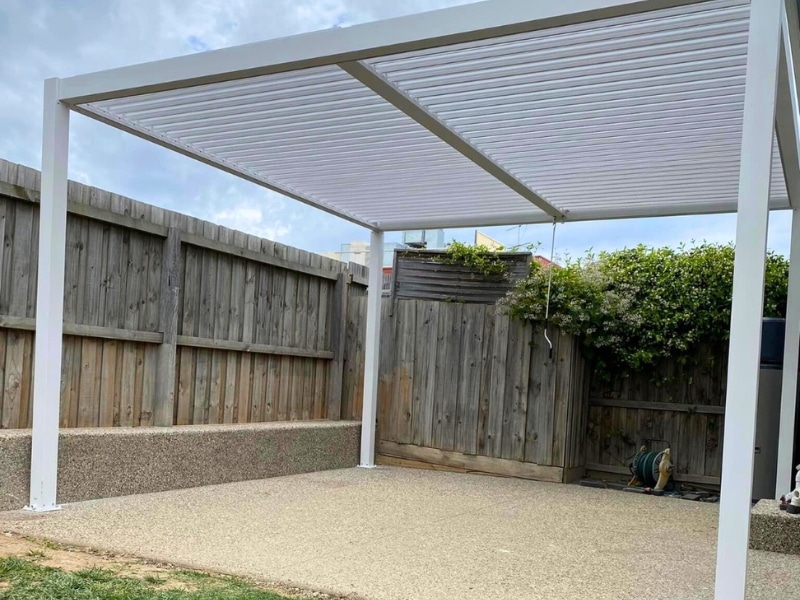
- In summer, surfaces like tiles or stone heat up fast; without cover, the patio becomes too hot to walk on or sit in.
- Rain or humidity leads to slippery surfaces or damp furniture, meaning guests avoid using the space during or after bad weather.
- Wind can be more disruptive than heat or rain—gusts blow through, chairs get shifted, and comfort drops fast.
- Maintenance takes time: wood warps, metal rusts, colours fade—without protection or good materials, you’ll spend more time fixing than enjoying.
These challenges often push patios into seldom‑used status. Fixing design, materials, or orientation can turn the tide.
Could uncovered patios reduce comfort and property value?
Leaving patios exposed to weather and sun costs more than discomfort—it can negatively affect how people see your home and its resale potential. Here is how things can go downhill: Here are the implications of uncovered patios:
- Less usable outdoor hours; friends won’t stay long, kids avoid it in midday sun, and overall livability drops.
- Faster deterioration of furniture, finishes, and surfaces from UV exposure and moisture—leading to replacements sooner than expected.
- When potential buyers visit, a lack of easy outdoor living often stands out; they imagine shade, structured seating, and quality features.
- Inside the home, unshaded patios mean windows nearby let in too much heat, pushing air‑conditioning usage higher.
To make a better impact, it’s useful to plan and position covering or structures that improve home comfort with effective orientation choices. That way, the patio helps your home function, not just look good.
Are pergolas on patios effective for shade and cooling?
Pergolas on patios do more than just look lovely—they work. They reduce temperature, block harsh rays, and allow breezes if designed right. Here are what you should aim for: Here are strategies that make pergolas effective for shade and cooling:
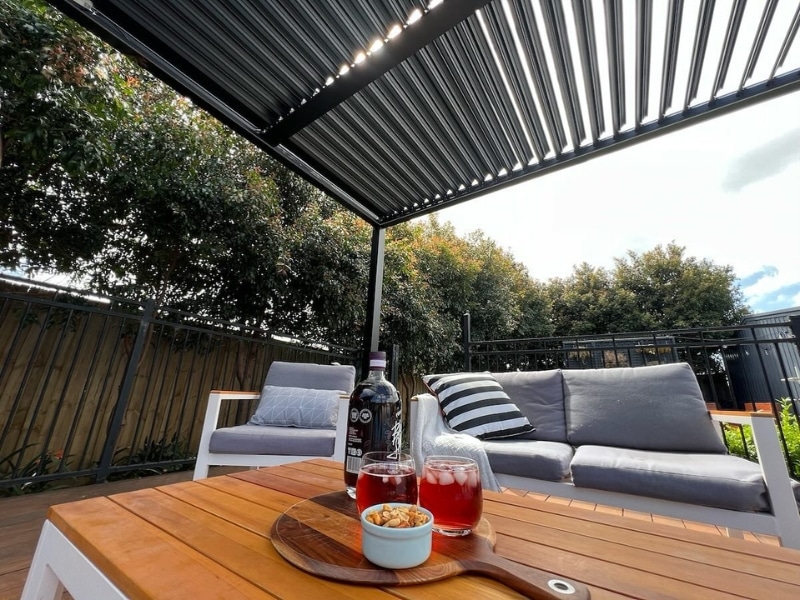
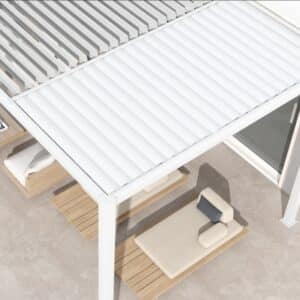
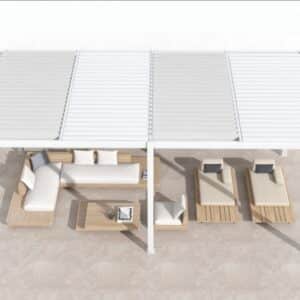
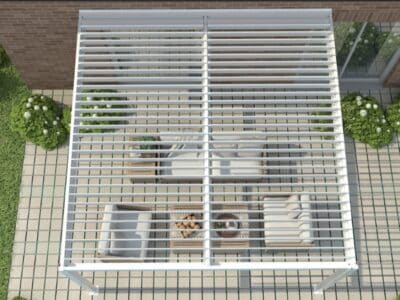
- Choose adjustable roofs, slats or louvers so you manage sun exposure depending on time and season.
- Pick lighter colours and reflective finishes so the materials don’t trap heat like a blacktop would.
- Leave sides partly open or include gaps; cross‑ventilation makes a major difference in air flow under the pergola.
- Orient the structure wisely—if the longest side faces east‑west, you block morning and afternoon sun better than facing north alone.
If you’re planning a patio upgrade, it’s worth taking time to discover quality pergola options for stylish outdoor living that offer both function and visual appeal.
Can customised pergolas on patios improve outdoor comfort?
It’s not just about putting up a roof—it’s about fitting that pergola to how you live, what you like, and what your climate throws at you. Custom touches make big difference. Here are useful features to consider: Here are considerations for custom pergolas that significantly improve comfort:
- Size matters: height, span, depth tailored to your patio determines whether shade reaches where you sit, eat or shelter.
- Roof style choices: flat, pitched, retractable—each handles rain, sun and view differently; pick what matches your space and weather.
- Extras like blinds, retractable screens or lighting extend usable hours, protect you from insects, and make evenings more pleasant.
- Material durability: treated timber, powder‑coated steel, or composites resist rot, rust, and warping; less upkeep means you enjoy more.
Also, factoring in choosing the right size pergola for backyard comfort ensures shade is effective without blocking views or airflow.
How can pergolas on patios be built for long‑term safety?
A pergola that looks great but fails when a storm hits won’t do much good. Safety has to be part of the design from day one. Here’s what really makes a structure last: Here are safety‑related build practices to follow:
- Solid footings and foundations set in concrete or onto a structurally sound base; if the ground shifts or wind hits, you want stability.
- Use strong beams, posts and anchors rated for your region’s wind and weather; overengineering is better than recovering from failure.
- Fasteners, connectors and all fittings should be corrosion‑resistant; treated wood or metal coatings help avoid rust and rot.
- Meet local building codes: permits, height limits, wind ratings—if inspected and approved, structure holds value and avoids legal issues.
| Safety Feature | Purpose |
| Solid footings and foundations | Ensure stability during wind and soil movement |
| Region-rated beams, posts, anchors | Withstand local wind and weather extremes |
| Corrosion-resistant fasteners/fittings | Prevent rust, rot, and long-term wear |
| Compliance with local building codes | Protects value and avoids legal or safety issues |
Incorporating the installation of a pergola with safety and durability in mind helps avoid hazards and long‑term damage.
Final thoughts on pergolas on patios for outdoor comfort
Putting together a pergola on a patio is more than aesthetic—it’s about turning underused space into one you love every season. From good orientation and correct sizing to choosing long‑lasting materials and building for safety, a smart design can turn any backyard into a haven. For ideas that balance both function and visual appeal, see how Unique Pergolas designs pergolas with style and comfort. A little planning now can give you years of shaded, breezy, relaxing outdoor living.