Blog
Louvred Roof vs Fixed Roof for Pergola: Which Performs Better in Australian Weather?

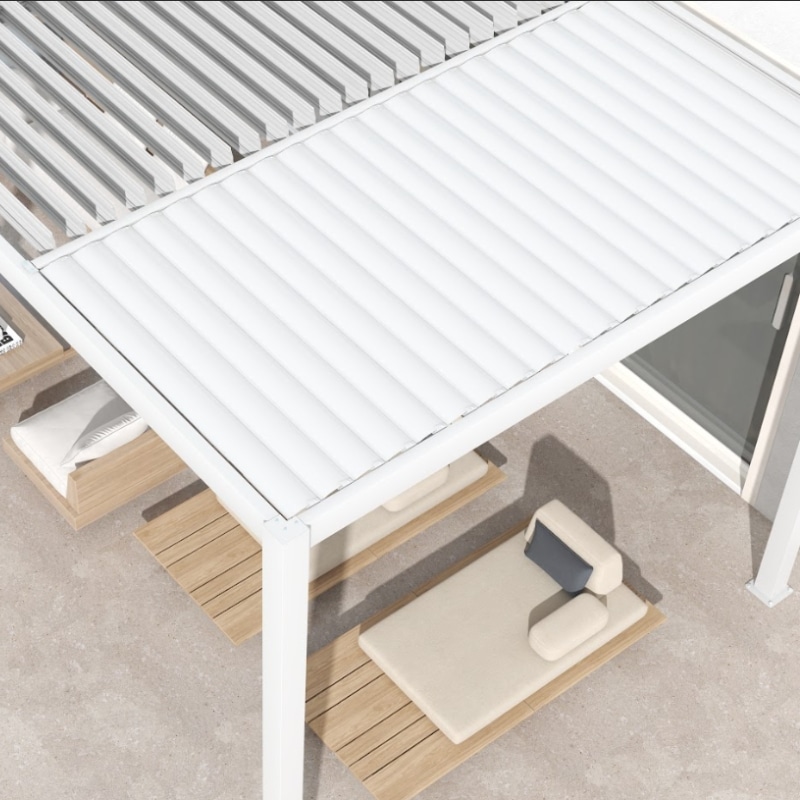
Choosing between different pergola roof options is one of the most important decisions when planning an outdoor living space in Australia. While the frame design matters, it’s the roof that ultimately determines how well your space handles harsh sun, summer storms, strong winds and coastal conditions.
Two of the most common systems available today are louvred roofs (adjustable blade systems) and fixed roofs (solid or insulated panels). Both have clear advantages — but their performance can vary significantly depending on where you live and how you plan to use the space.
In this guide, we’ll break down how each roof type performs in real Australian weather conditions, so you can make a confident, informed decision.
Understanding the Two Main Pergola Roof Options
Before comparing performance, it’s important to understand how each system works.
What Is a Louvred Roof?
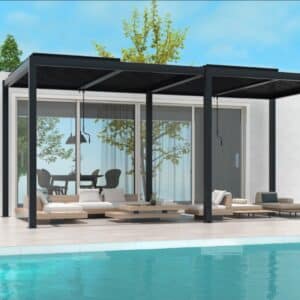
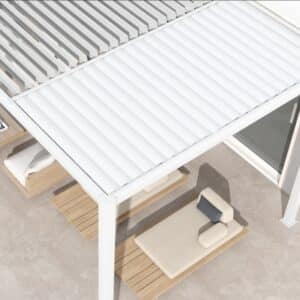
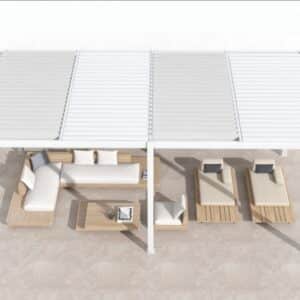
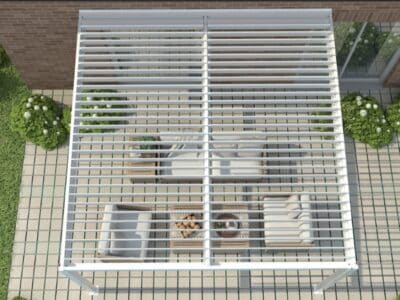
A louvred roof features adjustable aluminium blades that rotate open and closed. When open, they allow airflow and light. When closed, they create a sealed surface that channels rainwater into an integrated drainage system.
Most modern systems are motorised, allowing you to adjust them depending on weather conditions.
What Is a Fixed Roof?
A fixed roof uses solid panels — often insulated composite panels, polycarbonate sheets or steel roofing — permanently secured in place. Unlike louvres, the roof angle cannot change.
Insulated fixed roofs are particularly popular in hotter regions because they reduce radiant heat transfer.
Both systems are widely used in modern pergola designs in Australia, but they behave very differently in challenging weather.
Performance in Heavy Rain and Storms
Are Louvred Roofs Waterproof?
When fully closed, a well-engineered louvred system forms a watertight seal. Water is directed into concealed gutters and downpipes within the frame.
However, performance depends heavily on:
• Blade alignment and sealing quality
• Integrated drainage design
• Installation precision
• Wind direction during storms
In sudden wind-driven rain, some minor water ingress can occur if gusts push rain sideways under the blade edges. High-quality systems minimise this risk, but it’s worth understanding that they are mechanical systems with moving parts.
How Fixed Roofs Handle Heavy Rain
Fixed roofs provide continuous, solid coverage. With no moving components, fewer variables affect waterproofing.
Advantages include:
• Consistent rain protection
• Strong resistance to sideways wind-driven rain
• Simpler drainage systems
For areas prone to East Coast lows, tropical downpours or sustained winter rainfall, fixed roofs often provide slightly more predictable performance.
That said, modern louvred systems have improved significantly and can perform extremely well when properly engineered.
For broader climate insights, Detailed rainfall and storm data across Australian regions can help homeowners understand local weather patterns before selecting a roof type.
Performance in Extreme Australian Heat
Australian summers can push well beyond 35–40°C in many regions. Heat management becomes a major factor.
Louvred Roofs in Hot Conditions
The key advantage of louvred systems in extreme heat is ventilation.
By tilting blades partially open:
• Hot air can escape upward
• Airflow improves beneath the structure
• Heat buildup is reduced
This can make the area noticeably cooler compared to a fully sealed roof. In dry heat zones such as inland NSW, SA or parts of WA, this airflow can significantly improve comfort.
However, when fully closed, aluminium blades can still radiate heat downward unless combined with insulation or shading elements.
Fixed Roofs in High Heat
Insulated fixed roof panels are highly effective at reducing radiant heat transfer. They typically contain a foam core sandwiched between metal sheets.
Benefits include:
• Reduced heat penetration
• Stable shade throughout the day
• Consistent internal temperature
In regions with intense, direct sun exposure, insulated fixed panels often outperform non-insulated systems in raw heat blocking.
The trade-off is reduced natural airflow unless additional ventilation is incorporated into the design.
Performance in High Winds and Storm Events
Wind performance is heavily influenced by engineering ratings and installation quality.
Louvred Roofs in High Winds
Many quality systems are engineered with specific wind ratings. When closed, they can perform well under strong gusts. When open, however, wind resistance drops significantly.
Important considerations:
• Always close louvres during storms
• Check rated wind classifications
• Consider local wind region classification
In cyclone-prone or high-wind coastal regions, correct engineering compliance is critical.
Fixed Roofs in High Winds
Fixed roofs are permanently secured and often offer stronger resistance to uplift when correctly installed.
Advantages include:
• No moving components
• Consistent structural performance
• Often simpler compliance assessment
For exposed coastal or elevated properties, fixed roofs can provide peace of mind due to their structural simplicity.
Coastal Conditions and Corrosion Resistance
Salt air can dramatically reduce the lifespan of outdoor structures if the materials aren’t suitable.
Louvred Systems Near the Coast
Most modern louvred roofs are constructed from powder-coated aluminium, which resists corrosion well. However:
• Moving mechanisms require maintenance
• Bearings and motors must be protected
• Drainage channels must be kept clear
Regular maintenance becomes more important in coastal zones.
Fixed Roof Systems in Coastal Areas
Insulated panels and steel components must also be corrosion-resistant. Marine-grade coatings are often recommended.
Because fixed systems have fewer moving parts, they may require less mechanical upkeep, but material quality still matters.
Whether you’re reviewing high-quality pergola kits or fully integrated structures, always confirm the corrosion rating for coastal installations.
Bushfire-Prone Areas
In bushfire-prone regions, roof selection must consider local BAL (Bushfire Attack Level) requirements.
Both louvred and fixed systems can be manufactured to comply, but:
• Ember ingress risk must be assessed
• Gaps and ventilation openings must meet regulations
• Material combustibility matters
Always confirm compliance with local building requirements before proceeding.
Maintenance and Long-Term Durability
Louvred Roof Maintenance
Because they are adjustable systems, maintenance typically includes:
• Cleaning blades
• Clearing debris from drainage channels
• Checking motor functionality
• Inspecting seals
If maintained properly, louvred systems can last many years. However, they do require more attention than static roofing.
Fixed Roof Maintenance
Fixed roofs generally require:
• Periodic cleaning
• Gutter maintenance
• Inspection of panel seals
With no mechanical components, ongoing upkeep is often simpler.
Year-Round Usability
If you want flexibility, louvred roofs allow you to:
• Open for winter sun
• Close for rain
• Tilt for airflow
• Adjust throughout the day
This adaptability is their strongest advantage.
Fixed roofs, on the other hand, provide consistent shelter regardless of season. They may be better suited for homeowners who prioritise maximum coverage over flexibility.
Many homeowners exploring modern pergola designs in Australia consider how frequently they would realistically adjust the roof. If you prefer “set and forget,” fixed systems may suit you better. If you enjoy controlling your environment, louvres offer versatility.
Common Questions About Pergola Roof Options
Do louvred roofs leak?
Well-designed systems should not leak when properly installed and closed. Minor water ingress may occur during extreme wind-driven rain if poorly installed.
Which roof type is better in heavy rain?
Fixed roofs typically provide slightly more consistent protection in sustained rainfall. High-quality louvred systems also perform well when engineered correctly.
Are louvred roofs good for 40°C heat?
Yes — particularly because they allow airflow. However, insulated fixed panels may block radiant heat more effectively when fully closed.
Which option lasts longer?
Both can last many years if constructed from quality materials and maintained properly. Environmental exposure and maintenance habits play a major role.
Is one option quieter during rain?
Insulated fixed panels often produce less noise during heavy rain compared to aluminium louvres.
How to Decide Between Louvred and Fixed Roofing
The right choice depends on:
• Your local climate zone
• Wind exposure
• Rainfall intensity
• Desired flexibility
• Maintenance preferences
• Budget considerations
If you live in a tropical or storm-heavy region, fixed roofing may provide more predictable coverage. If you live in a hot, dry climate and value airflow, louvres may offer greater comfort.
If you’re unsure which roof type integrates best with your space, it helps to explore the full pergola range options and compare structural layouts before focusing purely on the roofing component.
Ultimately, both systems can perform exceptionally well in Australian conditions — provided they are engineered and installed correctly.
Final Thoughts
When comparing pergola roof options, the decision isn’t about which system is universally better. It’s about which performs better for your specific location, lifestyle and expectations.
Louvred roofs excel in flexibility and ventilation. Fixed roofs often win for simplicity and consistent weather protection. Both can be durable, weather-resistant solutions for Australian homes when properly designed.
Taking the time to assess your local weather patterns, maintenance expectations and long-term use goals will ensure your outdoor space performs reliably in sun, storm and everything in between.
Frequently Asked Questions
Which pergola roof handles Australian storms best?
Fixed roofs generally offer consistent protection in prolonged heavy rainfall. Louvred systems perform well when closed and properly engineered.
Can louvred roofs handle strong winds?
Yes, when closed and rated for local wind classifications. Always confirm engineering compliance.
Do fixed roofs make outdoor areas too hot?
Insulated panels reduce heat transfer significantly, but ventilation may need to be incorporated for optimal comfort.
Are adjustable roofs worth it in Australia?
They can be highly beneficial in hot climates where airflow improves comfort. The value depends on how often you plan to use the adjustability feature.
What should I check before choosing a pergola roof?
• Local wind rating requirements
• Rainfall patterns
• Corrosion resistance
• Bushfire compliance
• Maintenance expectations
Careful planning ensures your outdoor structure remains comfortable and durable in Australian conditions.