Blog
Wall-Mounted Pergolas: Pros, Cons and a Complete Installation Checklist

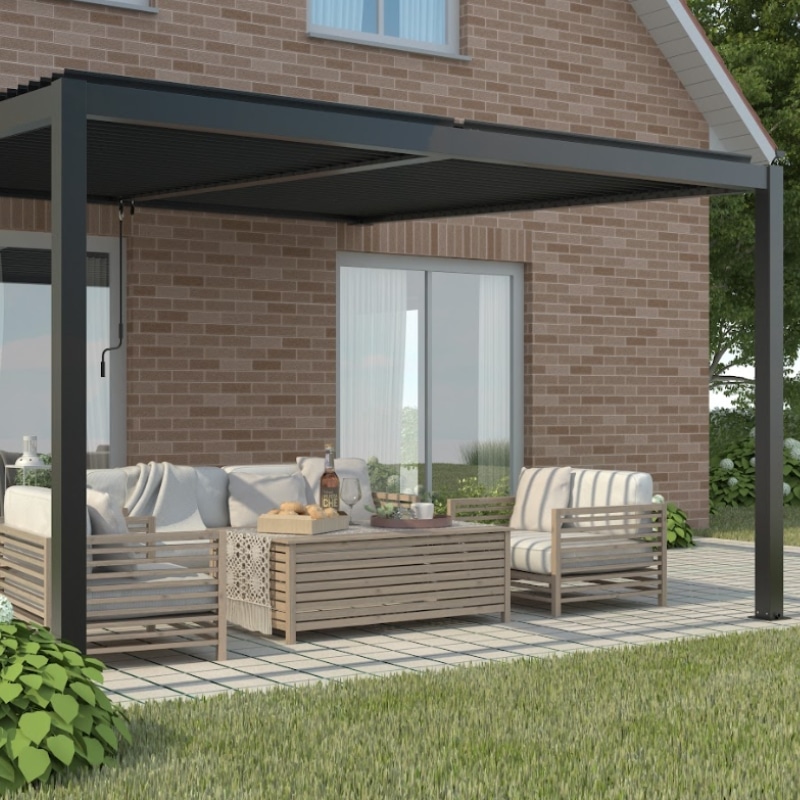
Wall-mounted pergolas have become one of the most popular ways to extend outdoor living space in Australian homes. By attaching directly to the house, they create a seamless indoor–outdoor transition while providing shelter from harsh sun, rain and seasonal weather shifts.
But are they the right solution for every property?
Before installing a wall-mounted pergola, it’s essential to understand the structural implications, council requirements, climate factors and long-term maintenance considerations. This guide walks through the real pros and cons, explains when they work best, and provides a practical installation checklist tailored to Australian conditions.
What Is a Wall-Mounted Outdoor Structure?
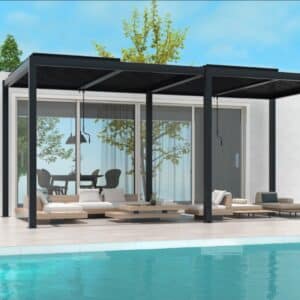
A wall-mounted outdoor structure is fixed directly to an existing building wall, rather than standing independently with four posts. One side connects to the house using structural brackets, beams and flashing, while the opposite side is supported by posts.
In residential settings, this most commonly refers to a wall-mounted pergola that extends over:
• A backyard patio
• An outdoor dining area
• A poolside entertaining space
• A deck or slab adjacent to the home
Because it integrates with the building, design and installation must account for structural load, waterproofing and compliance under Australian building regulations.
According to guidance under the National Construction Code from the Australian Building Codes Board, attached structures must not compromise the structural integrity, weatherproofing or fire safety of the main dwelling.
Pros of a Wall-Mounted Pergola
1. Seamless Indoor–Outdoor Flow
One of the biggest advantages is continuity. When attached correctly, a wall-mounted pergola feels like a natural extension of your home rather than a separate backyard feature.
This is particularly beneficial in Australia, where outdoor entertaining is part of everyday living — from summer barbecues in Brisbane to mild autumn evenings in Perth.
2. More Efficient Use of Space
Because one side connects to the house, fewer posts are required. This means:
• More open space underneath
• Fewer obstructions
• Better use of smaller suburban blocks
For narrow side yards or compact Melbourne or Sydney properties, this layout can maximise usable area.
3. Potentially Lower Material Requirements
Compared to freestanding structures, wall-mounted systems often require:
• Fewer support posts
• Reduced footing work
• Less framing on one side
However, savings depend heavily on wall suitability and engineering needs.
4. Structural Stability When Properly Engineered
When installed correctly into load-bearing components, wall-mounted pergolas can be extremely stable — particularly in non-cyclonic regions.
In wind-rated areas of Queensland or northern WA, engineering certification becomes even more important.
5. Better Roofline Integration
Wall attachment allows alignment with:
• Existing roof pitch
• Gutter systems
• Fascia lines
This can improve aesthetics and water management when flashing and drainage are correctly installed.
For homeowners wanting to explore full pergola range options that integrate cleanly with existing rooflines, understanding wall-mounted structural requirements is the first step.
Cons of a Wall-Mounted Pergola
While popular, this option is not suitable for every home.
1. Structural Limitations
Not all walls are appropriate for mounting.
Potential red flags include:
• Brick veneer without adequate structural backing
• Deteriorated timber framing
• Non-load-bearing external walls
• Older homes with unknown structural conditions
Mounting to the wrong surface can cause sagging, water ingress or long-term structural damage.
2. Waterproofing Risks
Poor flashing installation is one of the most common problems.
If flashing is not properly integrated under roof tiles or metal sheets, water can:
• Enter the wall cavity
• Damage insulation
• Cause mould growth
• Rot timber framing
Waterproofing is not optional — it’s critical.
3. Council and Approval Requirements
In many Australian councils, attached structures may require:
• Development approval
• Complying with development certification
• Engineering drawings
Approval rules vary by state and even by local council area. Always check before beginning construction.
4. Limited Placement Flexibility
Because it must connect to the home, placement options are constrained by:
• Door and window locations
• Eaves height
• Roof pitch
• Structural wall positions
Freestanding options offer more flexibility if positioning is a priority.
5. Load Transfer to the Existing Structure
Unlike freestanding builds, part of the load is transferred directly into the house. If not engineered correctly, this can cause:
• Wall cracking
• Fascia damage
• Structural stress
This is why wind classification and compliance with the NCC matter.
When Is a Wall-Mounted Pergola a Good Choice?
It’s typically suitable when:
• The home has solid structural framing
• The wall can support ledger brackets securely
• Drainage can be integrated effectively
• The outdoor space sits directly adjacent to the house
• The slab or deck is structurally sound
Homes built in the past 20–30 years with clear structural documentation tend to be more straightforward.
When Should You Avoid It?
Consider alternatives if:
• The wall is non-load-bearing
• You’re in a high wind region without engineering plans
• The house exterior is fragile or heritage-protected
• You want the structure positioned away from the home
In these cases, a freestanding design may be more appropriate.
Installation Checklist for Australian Homes
Before installing a wall-mounted pergola, review this checklist.
Structural Assessment
• Confirm wall type (brick veneer, double brick, timber frame)
• Identify load-bearing elements
• Check for signs of cracking or movement
• Obtain engineering advice if in wind region B, C or D
If unsure, engage a licensed builder or structural engineer.
Council and Compliance
• Check local council requirements
• Confirm setback rules
• Verify height restrictions
• Determine if certification is required
Regulations differ between NSW, VIC, QLD, WA and SA.
Roofline and Flashing Planning
• Plan flashing integration under roofing material
• Ensure correct fall for water runoff
• Avoid directing water toward doors or windows
• Confirm gutter compatibility
Improper drainage is one of the biggest long-term risks.
Footings and Support Posts
Even though it’s attached, the outer posts still require:
• Proper concrete footings
• Depth suited to soil classification
• Adequate wind resistance
Clay soils common in parts of Victoria and NSW may require deeper footings.
Material Selection
In Australia’s harsh climate, consider:
• Powder-coated aluminium for corrosion resistance
• Insulated roofing panels for heat reduction
• UV-stable materials
This is especially important in coastal regions where salt exposure accelerates corrosion.
Frequently Asked Questions
Is a wall-mounted pergola cheaper than a freestanding?
It can be, due to fewer posts and potentially reduced material. However, costs may increase if structural reinforcement or engineering certification is required.
Can it be attached to any wall?
No. It must connect to structurally sound, load-bearing components. Brick veneer alone is not enough without proper anchoring into the frame.
Do I need council approval in Australia?
Often yes — especially for attached structures. Requirements vary by council and state, so always confirm locally.
How long does installation take?
For standard residential builds, installation may take several days once approvals and engineering are complete. Complexity increases with roof integration and flashing detail.
What maintenance is required?
• Periodic inspection of flashing
• Checking bolts and fixings
• Cleaning gutters
• Monitoring for corrosion in coastal zones
Proper maintenance extends lifespan significantly.
Common Installation Mistakes to Avoid
• Mounting into non-structural brick only
• Skipping engineering advice in high-wind zones
• Poor flashing installation
• Ignoring drainage fall
• Underestimating soil movement
These issues can lead to expensive rectification work later.
Wall-Mounted vs Freestanding: Quick Comparison
Wall-mounted options are ideal when:
• You want seamless integration
• The wall structure is strong
• You’re covering an existing patio
Freestanding may be better when:
• Placement flexibility is needed
• Structural concerns exist
• You want separation from the house
If you’re evaluating wall-mounted pergola designs, consider both layout and structural suitability before deciding.
Climate Considerations Across Australia
Coastal Areas
Salt corrosion demands powder-coated aluminium or corrosion-resistant materials.
Northern Regions
Wind classification and cyclonic considerations require engineered compliance.
Southern States
Heavy winter rainfall makes flashing and roof fall critical.
Bushfire-Prone Zones
Certain materials and spacing requirements may apply depending on the Bushfire Attack Level (BAL) rating.
Always confirm local compliance standards.
Final Thoughts
Wall-mounted pergolas offer a streamlined, practical way to extend outdoor living areas across Australia. They provide strong visual integration and efficient use of space — but only when structural integrity, drainage and compliance are handled correctly.
Before moving forward, ensure your wall can support the load, approvals are clarified, and materials are suited to your local climate.
For homeowners wanting to compare configurations and materials in more detail, you can explore the full pergola range options to understand what structures align best with your home’s layout and engineering requirements.
Whether you’re reviewing high-quality pergola kits or considering integrated wall-mounted pergola designs, understanding the structural fundamentals first will ensure your outdoor extension performs safely for years to come.
FAQ
What wall types are safest for mounting?
Double brick or properly framed timber walls with accessible structural members are typically suitable.
Can I retrofit onto an older home?
Yes, but structural assessment is strongly recommended.
Does attaching to the house increase the risk of leaks?
Only if flashing and waterproofing are installed incorrectly.
Is engineering mandatory?
In many cases — particularly in higher wind regions — engineering certification is required.
Are aluminium systems better than timber?
Aluminium offers lower maintenance and improved corrosion resistance in many Australian environments.