Blog
What Are the Best Open Pergola Designs for Outdoor Living?

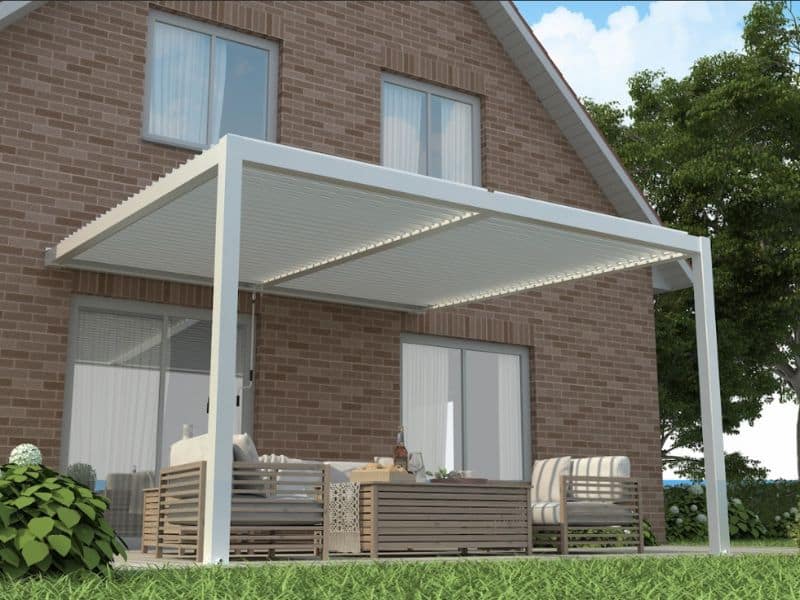
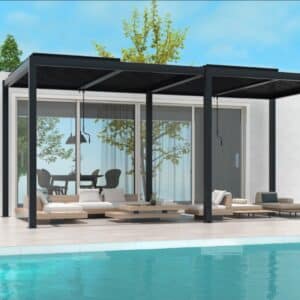
Aussie backyards are made for outdoor living — but without the right structure, you’re either roasting in the sun or ducking for shade. That’s where open pergola designs come in. They’re not just a stylish add-on. They shape how you use your space, how comfortable it feels, and even how much time you want to spend outside. Compared to enclosed patios, open pergolas let your backyard breathe. They don’t box you in. They open things up — literally — letting in the sun and breeze while still offering a place to sit, relax, or gather. But not every design works well in every yard. Pick wrong, and you might be dealing with rattling frames, weather damage, or a setup that’s just not fit for purpose. Let’s dig into what separates the solid designs from the ones that don’t pull their weight.
How do open pergola designs improve outdoor comfort compared to closed styles?
Closed patios can feel like you’ve added another room — which is great until it starts trapping heat or blocking natural light. Open pergolas, on the other hand, strike a better balance between shelter and freedom. They give you cover without shutting you in. Here’s why they’re a smart move:
- Air flows through, which stops the space from feeling stuffy.
- They allow dappled light — neither too harsh nor too dark.
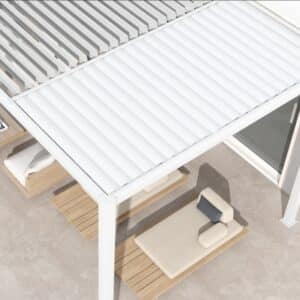
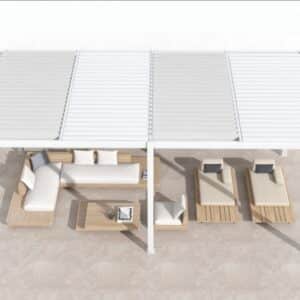
- Designs with angled slats let you adjust for sun direction.
- They’re less visually bulky, making smaller areas feel larger.
- You can still add vines, fairy lights, or hanging plants.
The real charm is how they blend into the garden rather than sitting on top of it. For inspiration, it’s worth checking out creative pergola designs (creative pergola designs → How Do Pergola Designs and Plans Improve Outdoor Living?) that show how flexibility meets comfort.
What common mistakes should you avoid when choosing pergola kits?
Picking a pergola kit seems straightforward — until you’re knee-deep in timber, realising the measurements don’t match your space or that you forgot to factor in wind load. A few common errors can make the process more complicated than it needs to be. Avoid these traps:
- Ordering a size that doesn’t suit your space or purpose.
- Not checking local council rules — an easy oversight.
- Facing the open side into the wind — ask anyone who’s done it wrong.
- Choosing untreated wood — especially risky near coastal areas.
- Using thin posts that wobble or fail under stress.
When in doubt, stick with pergola design plans that are tailored for Australian backyards and the varied climates. They’ll give you a solid base to build from.
Why do open pergola designs sometimes fail in harsh Australian weather?
Australia doesn’t hold back when it comes to weather. One minute it’s blazing sun, the next it’s a sudden downpour or gusty winds. Some pergola setups just aren’t built to take it — and that’s where things fall apart, sometimes literally. Where open pergolas can struggle:
- Poor drainage allows water to sit at the base.
- Thin brackets or fasteners rust out quickly.
- Slats set at the wrong angle offer no rain deflection.
- Flimsy posts aren’t anchored deeply enough.
- Timber without the proper treatment won’t last a year.
These aren’t minor issues. They’re deal-breakers. It’s worth knowing the safe pergola installation before grabbing the drill. Better to overbuild a little than underdo it and have to start again.
Which open pergola designs work best for small Australian backyards?
Got a smaller yard? No worries — you can still enjoy the benefits of an open pergola without crowding your space. It’s all about utilising what you have and making it work harder. Good ideas for tight spots:
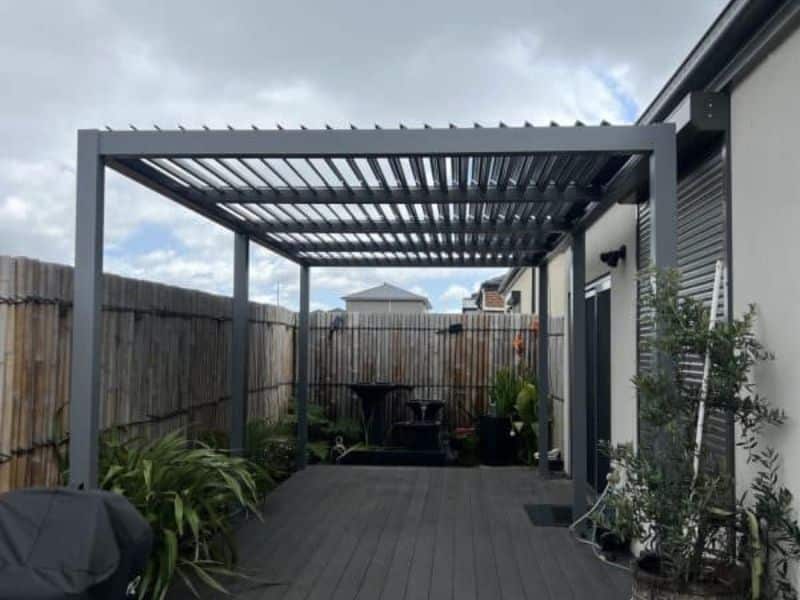
- Wall-attached pergolas save precious metres.
- Opt for vertical greenery to elevate the eye without occupying floor space.
- Lightweight kits are easier to fit and don’t dominate the yard.
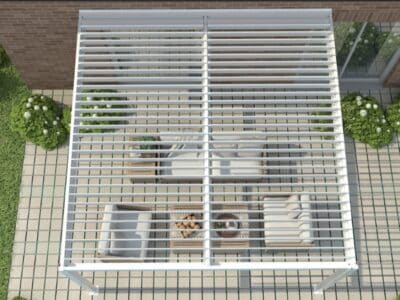
- Open-slatted roofs allow light to enter, preventing the area from feeling enclosed.
- Use modular layouts so you can tweak the design as needed.
And don’t forget how important the layout is. Bright, sustainable house designs enhance outdoor living spaces, making the same area feel larger and more functional, especially when paired with the right open cover.
What materials make open pergola designs durable and low-maintenance?
Materials make or break an outdoor setup. Go cheap or mismatched, and you’ll spend your weekends repairing instead of relaxing. Thankfully, some choices tick both boxes — they are both strong and easy to look after.
Here’s how the main options stack up:
| Material | Durability | Maintenance Level | Best Suited For |
| Treated Pine | Moderate | High | Dry inland areas |
| Hardwood | High | Moderate | Coastal regions |
| Powder-coated Steel | Very High | Low | Rain-prone or humid zones |
| Aluminium | High | Very Low | Modern, low-hassle installs |
| Composite Timber | Very High | Very Low | Long-term, all-weather use |
Powder-coated steel and composite timber are the go-tos for most Aussies chasing a low-maintenance setup. They resist rot, insects, and warping, and don’t need to be sealed every year — saving you hours of fiddly upkeep.
How can DIY patio kits simplify the installation of open pergola designs?
Building a pergola sounds daunting — but DIY kits take most of the sting out. The parts are cut, pre-drilled, and boxed with instructions, so you can get cracking without second-guessing every move. Why they’re worth a look:
- No need to measure — simply follow the guide.
- The kits are made with local conditions in mind.
- All parts are included, right down to the bolts.
- Easier to transport and install than raw materials.
- Different styles available to suit roof shapes and finishes.
If you’re handy with basic tools and have a few spare hours over the weekend, it’s a satisfying project to knock out — and you’ll appreciate the result even more knowing you built it yourself.
Final thoughts
An open pergola can completely change how you use your backyard. It’s not about adding something flashy — it’s about making the space more liveable, day to night, season to season. Whether you’re seeking shade, airflow, or simply a place to relax, the right design can make all the difference. If you’re weighing your options and need expert advice, consider guidance from Unique Pergolas, which is always available to help steer you in the right direction.