Blog

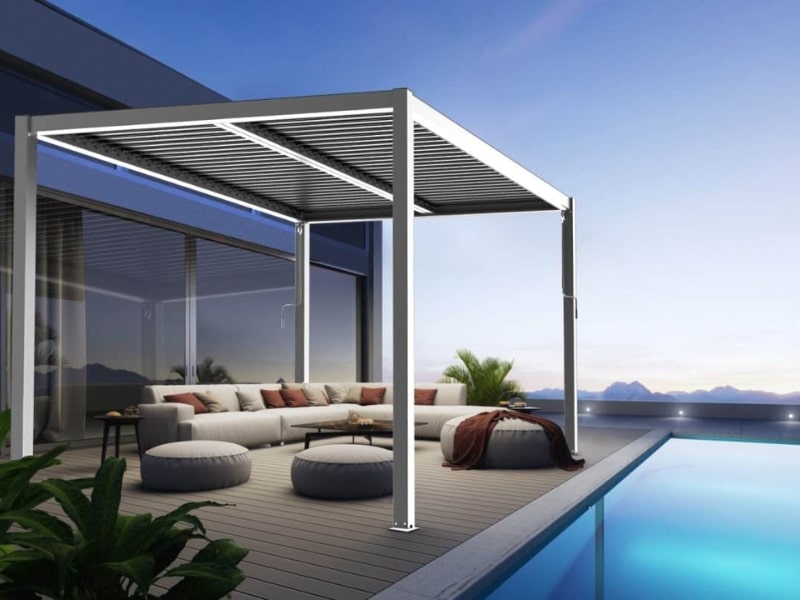
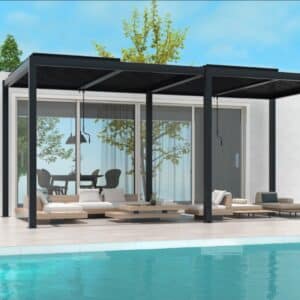
An open pergola is one of the most versatile additions you can make to your outdoor living area. It creates atmosphere, improves the flow between indoor and outdoor zones, and offers a beautiful architectural feature. But like any outdoor structure, homeowners often have questions about comfort, airflow, shade, and long-term usability. Below, we break down the most common concerns — and the smart design choices that make an open pergola not only functional, but a standout feature in any home.
Why do homeowners worry about creating shade with an open pergola?
One of the biggest concerns homeowners raise is creating shade with an open pergola. Because the beams are spaced apart, many assume the structure won’t block enough direct sunlight — especially during midday or summer peak hours.
The truth is that shade levels depend on several controllable factors:
- Beam orientation
- Rafter thickness and spacing
- Seasonal sun angles
- Use of screening or natural greenery
Your pergola doesn’t need to be fully enclosed to create meaningful shade. Many open pergolas are specifically designed to maximise shade throughout the day, especially when you choose a custom pergola design built to suit your outdoor layout and sun exposure.
What issues arise when an open pergola lacks proper structural planning?
A pergola may look simple, but poor open pergola structural planning can cause long-term issues such as:
- Sagging rafters
- Posts are shifting due to shallow footings
- Trapped heat from poor design
- Uneven visual weight across the structure
- Difficulty adding accessories later
Understanding the steps involved in building a pergola helps homeowners appreciate how each component contributes to structural longevity and everyday comfort.
How can unpredictable weather make an open pergola feel less usable?
Australian weather can shift quickly — sunshine one minute, wind or showers the next. This unpredictability often fuels open pergola weather concerns, especially when the structure has no roof covering.
Homeowners commonly report:
- Rain is disrupting outdoor dining
- Strong winds are making seating uncomfortable
- UV exposure depends on the season
- Heat buildup during still, humid days
Without thoughtful outdoor airflow design, these concerns can limit how often you use your pergola. The good news? Most of these issues are easily solved through smart layout and shading choices.
What design choices help increase comfort under an open pergola?
Homeowners looking to increase comfort under an open pergola should consider:
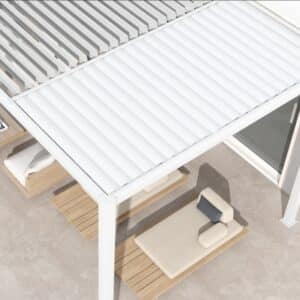
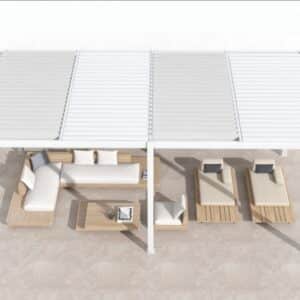
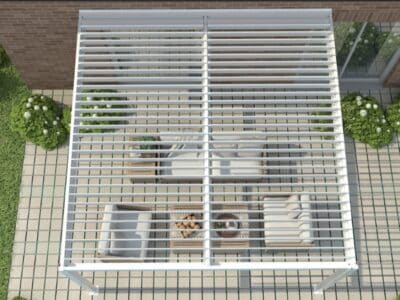
- Beam Spacing Closer rafters = more shade.
- Rafter Orientation greatly impacts morning vs afternoon shade.
- Vertical screens, Timber battens or slatted screens block wind while allowing airflow.
- Integrated greenery, Climbing plants offer natural shade and cooling.
- Adjustable batten. These help fine-tune shading seasonally.
These choices make the pergola feel comfortable and relaxing even during warmer periods.
How do layout adjustments improve airflow around an open pergola?
Effective airflow is one of the biggest advantages of an open pergola. Improving airflow around an open pergola enhances comfort and reduces heat retention.
Practical airflow-boosting adjustments:
- Increased spacing between beams
- Higher rooflines
- Post placement that doesn’t block wind
- Open side elevations
Use of natural outdoor shading methods that cool without restricting airflow
Final thoughts on choosing an open pergola for outdoor living
Choosing an open pergola means welcoming more airflow, more natural light, and a more relaxed approach to outdoor living. While shade, structure, and weather concerns are common, the right design makes these issues easy to overcome.