Blog

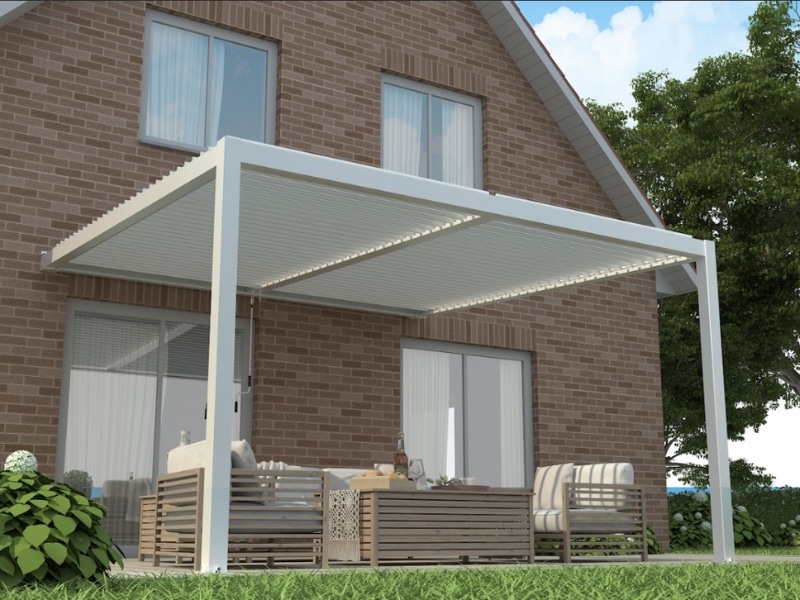
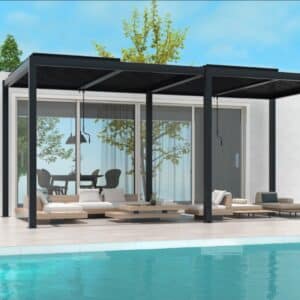
Pergola layout planning significantly influences how effectively your outdoor space is used, felt, and enjoyed. The layout isn’t simply about placing a structure in your yard—it impacts movement flow, comfort, shade control, and connection to surrounding elements. When executed properly, it balances function with design, offering a seamless transition between indoor and outdoor living zones. Missteps in layout can cause awkward spacing, underused areas, or poor shade control that fails under the Aussie sun. Choosing where and how your pergola sits can determine whether your garden becomes a go-to space or a rarely used patch.
This article explores how informed pergola layout planning shapes outdoor functionality, reveals common design pitfalls, and highlights smarter layout choices that boost style and comfort.
What problems arise when outdoor shade ideas are overlooked?
Ignoring outdoor shade ideas during pergola planning often leads to uncomfortable, impractical spaces that don’t suit Australia’s strong sun or shifting seasons. Poorly shaded zones can reduce usage, create glare, and compromise comfort—key ingredients in a well-loved backyard retreat. Here are the common issues caused by neglecting shade planning:
- Limited usability during peak heat leads to reduced time spent outdoors, especially in summer when shade is most crucial.
- Sun-faded materials degrade quickly when exposed to harsh light without adequate shielding from well-placed shade solutions.
- Furniture placement becomes difficult when there’s no clear escape from direct sunlight throughout the day.
- Cooling costs may increase indoors due to radiated heat from poorly shaded external walls or windows adjacent to the pergola.
Overlooking these outdoor shade ideas can result in a space that looks good on paper but doesn’t hold up to real-world use.
Why can poor backyard design planning limit pergola usability?
Poor backyard design planning doesn’t just affect aesthetics—it creates functional roadblocks that limit how your pergola fits into your lifestyle. Without foresight, the pergola may interfere with existing structures or fail to serve its intended purpose. Here are the ways poor planning impacts pergola usability:
- Awkward positioning ruins flow, making access to garden paths, pools, or entertainment areas feel forced or blocked.
- Lack of site analysis leads to wind or sun exposure, reducing comfort and increasing maintenance needs.
- Improper alignment with existing structures causes visual disconnection or drainage issues during rainy seasons.
- Insufficient space for furniture or activities results in underused zones or frustrating limitations.
Better backyard design planning includes assessing topography, sun path, and how different zones interact throughout the day. A seamless layout considers everything from morning coffee spots to arvo BBQ setups. Planning with foresight makes it easier to explore flexible solutions like pergola online design options, offering visualisations that help map functional flow and style cohesion.
How do layout constraints intensify issues in structural pergola design?
Layout constraints in structural pergola design often lead to compromised usability, reduced durability, and limitations in customisation. These constraints don’t just affect appearance—they influence how long your pergola lasts and how well it functions across seasons. Here are the common issues caused by poor layout decisions:
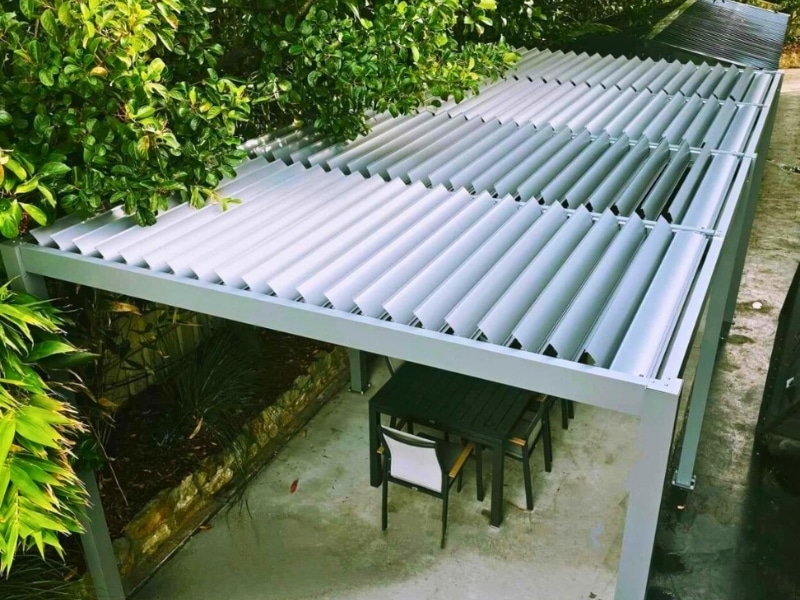
- Overexposure to moisture or wind in confined or angled placements can stress joints and finishes prematurely.
- Uneven support distribution in narrow areas affects structural balance, especially with larger spans or fixed roofing.
- Restricted airflow due to tight corners can trap heat, creating discomfort during warmer months.
- Limited flexibility for extensions or upgrades occurs when placement doesn’t allow for future design changes.
Many of these issues stem from inaccurate dimensions or assumptions during early planning. The impact of measurement in pergola design becomes clear here—accurate spacing helps ensure structural strength, ideal coverage, and future adaptability. Making room for airflow, proper footing, and solar orientation allows your pergola to serve its purpose effectively for years to come.
What landscape layout tips help optimise pergola positioning?
To optimise pergola positioning, smart landscape layout tips focus on synergy with your garden’s natural and built features. Strategic planning enhances usability and comfort while integrating seamlessly with your surroundings. Here are the most effective layout tips for optimal positioning:
- Align pergola to sun path so seating areas remain shaded during peak UV hours and warm during winter mornings.
- Use garden structures as visual anchors to create symmetry and spatial logic, especially in irregularly shaped blocks.
- Incorporate multi-zone transitions so the pergola connects smoothly to the lawn, pool, or dining areas.
- Factor in drainage and soil slope to prevent pooling or erosion, particularly under heavy rainfall.
Here’s a quick guide to layout tips based on backyard priorities:
| Layout Priority | Suggested Approach | Design Impact |
| Sun Exposure | Position for afternoon shade | Enhances usability in the summer months |
| Privacy | Offset from neighbouring sightlines | Improves comfort and space use |
| Space Efficiency | Use modular zones with flow paths | Encourages movement and multifunctionality |
| Visual Focal Point | Align with the garden centre or feature | Adds symmetry and visual impact |
Applying these landscape layout tips supports durability, flow, and visual balance. Such planning often draws inspiration from passive environmental strategies like passive shading strategies for hot and humid climates, which prioritise comfort without relying solely on mechanical cooling.
How can garden sun protection improve modern outdoor design flow?
Garden sun protection plays a key role in enhancing outdoor design flow by balancing light and shadow across zones. Proper protection ensures that the transition between garden elements feels intuitive and pleasant, not jarring or unusable. Here are the benefits of integrating thoughtful sun protection in garden design:
- Improves walkability and flow between pergola, garden beds, and patio zones through even lighting and cooler paths.
- Preserves softscape health by shielding plants from harsh sun, promoting longevity and vibrancy in your landscape.
- Creates welcoming microclimates that invite longer stays outdoors, even on the hottest days.
- Protects adjacent structures and finishes from UV damage, extending the life of your home’s exterior materials.
Incorporating garden sun protection isn’t just about blocking the sun—it’s about shaping how people experience your outdoor space. This integration also ties back to the ways pergola designs enhance outdoor living areas, where functionality and visual appeal go hand in hand.
Final thoughts on integrating smart choices into pergola layout planning
Smart choices in pergola layout planning allow you to create a backyard space that suits your daily habits, climate, and personal style—without compromise. Good layout design harmonises shade, flow, and structure, resulting in a space that’s as liveable as it is attractive. If you’re unsure where to start, you can always explore personalised guidance from Unique Pergolas to align your ideas with layout strategies that work.