Blog
Aluminium Pergolas: Why They’re Built for Australian Conditions (and How to Choose Yours)

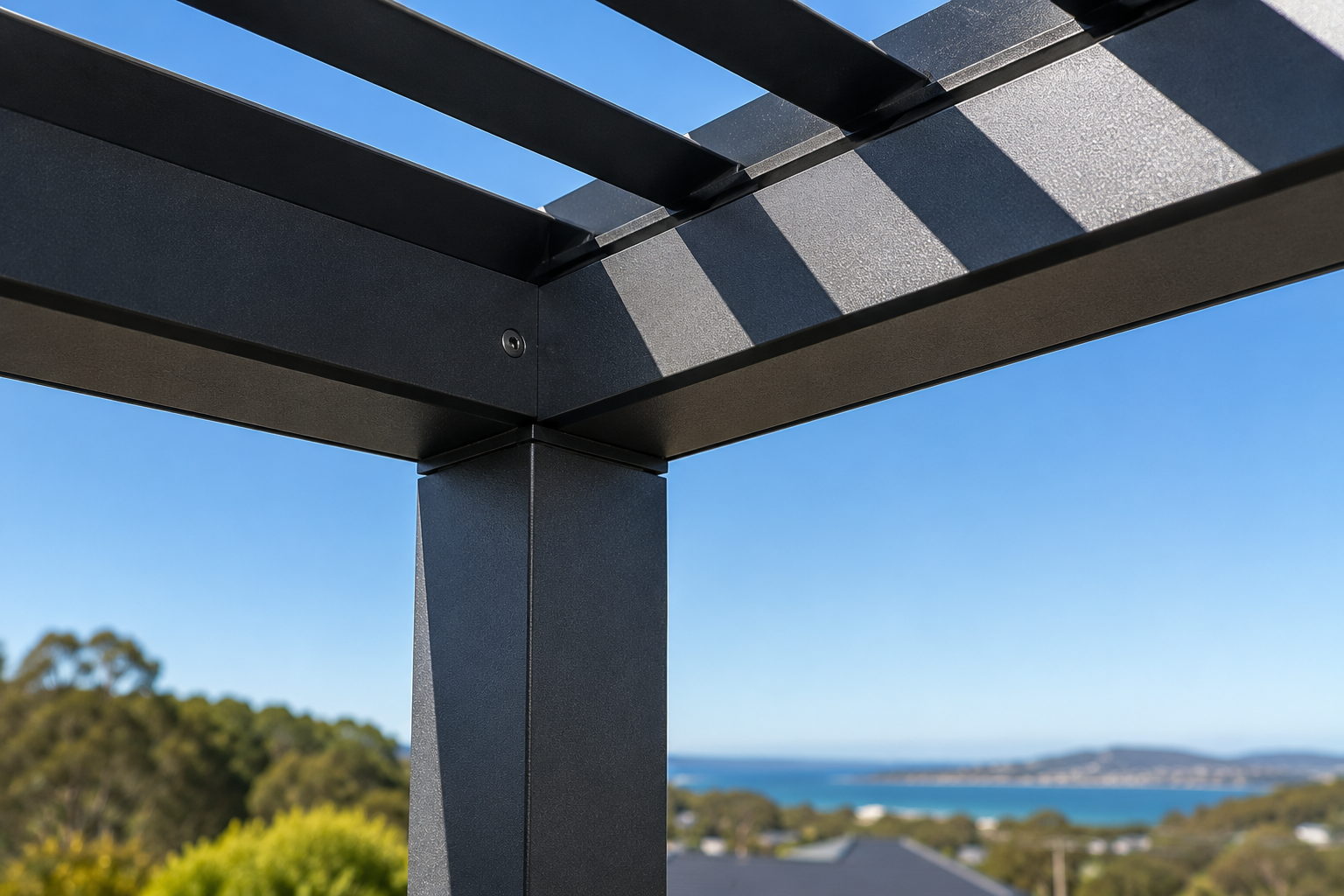
An aluminium pergola is a practical choice for Australian outdoor areas because it combines durability, low maintenance and flexible design. Across varied climates, aluminium handles sun, rain and coastal exposure without the upkeep timber often needs. At the same time, louvred roofs, screens and wall-mounted or freestanding layouts make it suitable for patios, entertaining areas and poolside spaces.
Before You Compare Materials
- Aluminium does not rot, warp or attract termites, and it does not need the staining, sealing or repainting a timber structure asks for.
- It does not rust, but it can corrode. Rust is a ferrous problem. Aluminium forms its own protective oxide layer, though salt, damaged coatings and incompatible metals can still cause corrosion.
- The finish matters as much as the frame. Coating specification, fixings and installation decide long-term performance, so two aluminium systems will not necessarily behave the same way.
- Wind performance is not a material property. It depends on wind region, site exposure, engineering and how the structure is fixed down. Treat any blanket “windproof” claim with suspicion.
- Low maintenance is not no maintenance. Cleaning, clearing drainage and checking moving parts still apply, and coastal sites need it more often.
- Prices start at $3,999 for manual and $6,299 for motorised, before screens, panels, glass doors, delivery or installation.
In This Guide
Why Choose an Aluminium Pergola for Your Home?
Aluminium suits homeowners who want a durable outdoor structure without having to commit to regular staining, sealing, or similar timber maintenance. Powder-coated aluminium also provides a contemporary finish across a range of outdoor layouts and roof configurations.
- Durable construction that does not rot, warp or attract termites like timber can
- Lower maintenance than many timber structures
- Good resistance to general outdoor exposure when the finish is suitable for the environment
- A modern, versatile appearance for contemporary and traditional homes
- Long-term outdoor performance with appropriate care
- Suitability for courtyards, patios, decks and larger entertaining areas
- Compatibility with adjustable louvred roofing, manual operation and motorised systems
How aluminium compares to timber and steel
| Factor | Aluminium | Timber | Steel |
|---|---|---|---|
| Rot and insects | Not affected | Can rot, and species and treatment determine termite resistance | Not affected |
| Corrosion | Forms a protective oxide layer, but can corrode where salt or damaged coatings are present | Not applicable, though moisture causes decay | Rusts if the protective coating is damaged or unsuitable |
| Routine upkeep | Cleaning and inspection | Periodic staining, sealing or repainting | Coating inspection and corrosion management |
| Weight | Relatively light for its strength | Varies by species and section | Heaviest of the three |
| Appearance | Contemporary, consistent, powder-coated | Natural and warm, but weathers over time | Strong and architectural |
| Best suited to | Low-maintenance modern structures, including coastal sites with suitable fixings | Homeowners wanting a natural look and accepting the upkeep | Applications needing engineered structural strength |
Timber and steel remain valid alternatives. Timber provides a natural, warm appearance, but it may require periodic staining, sealing, or repainting, and it can be affected by moisture, decay, insects, or movement, depending on the species, treatment, and maintenance. Steel provides high structural strength and is well-suited to demanding applications, though it is generally heavier than aluminium and requires appropriate corrosion protection.
Aluminium sits between the two in several respects. It is relatively lightweight, does not require protection against rot, and can be powder-coated for a durable decorative finish. For homeowners comparing pergola designs, it offers a practical balance of durability, appearance and lower ongoing upkeep.
How Aluminium Pergolas Handle Australian Weather
The suitability of an aluminium pergola depends on more than just the metal. Finish quality, engineering, fixings, installation and local exposure all influence how well the structure performs over time, particularly in areas exposed to strong UV, wind or salt air.
The conditions that matter most:
- UV exposure, including the high to extreme levels common across Australia
- Rain and moisture around the roof, gutter and drainage areas
- Wind, which depends on site exposure and structural engineering rather than material alone
- Heat and direct summer sun
- Coastal conditions where salt can settle on surfaces and hardware
- Corrosion, which is different from the rust that affects iron and ordinary steel
- Seasonal changes across Australia’s different climate zones
UV and heat
High UV exposure can affect coatings, sealants and finishes on any outdoor structure, including aluminium. Quality powder coating helps protect the surface, but long-term appearance still depends on the coating specification, local conditions and routine cleaning. This is why finish quality should be considered alongside frame material, rather than assuming all aluminium systems perform identically.
Rust versus corrosion
Aluminium does not rust the way ferrous steel does, because rust is associated with iron. Instead, aluminium naturally forms a thin oxide layer that helps protect the metal beneath it. It can still corrode under certain conditions, particularly where salt, contaminants, damaged coatings or incompatible metals are present. In coastal areas, regular cleaning and suitable fixings become more important, along with following the manufacturer’s recommendations for the specific system.
Wind
Wind performance depends on the complete structure rather than the frame material alone. Wind region, site exposure, product engineering, installation and fixing methods all matter. Avoid generic “windproof” claims and check the requirements for the specific product and site, including relevant structural guidance from Standards Australia or advice from a qualified professional.
A coastal property may need more frequent cleaning, while a highly exposed site may require closer attention to engineering and fixing requirements. The right system should suit both the home’s location and the way the outdoor area will be used.
How to Choose the Right Aluminium Pergola
Size is only one part of choosing an aluminium pergola. The best configuration also depends on the outdoor area’s layout, exposure, intended use and the level of control you want over shade, airflow and weather protection.
Work through these before you shortlist:
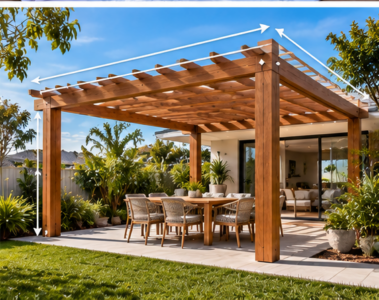
- Pergola dimensions relative to the usable outdoor area
- Furniture layout and movement around the space
- Roof style, including fixed or adjustable options
- Manual or motorised operation
- Wind and rain exposure at the site
- Coastal location and salt exposure
- Desired level of shade and weather protection
- Wall-mounted versus freestanding configuration
- Installation requirements and DIY suitability
- Planned accessories such as screens, sliding panels or glass doors
- Budget for the main structure, delivery, installation and add-ons
A patio mainly used for dining may suit a compact wall-mounted design, while a poolside area or detached garden space may work better with a freestanding structure. A narrow courtyard benefits from careful positioning to preserve floor space, while a larger alfresco area may justify a larger footprint and motorised roof control.
What the aluminium range actually specifies
| Specification | Standard range | Unique Deluxe 6×4 |
|---|---|---|
| Frame | Powder-coated aluminium | 6063-T5 aluminium, 150x150mm posts |
| Colours | Black, grey or white | White or charcoal grey |
| Height | Fixed at 2.5 metres | Single 6m x 4m configuration |
| Size options | 13 manual, 7 motorised, from 2.5m x 2.5m to 8m x 4m | One size |
| Certification | Australian Standards Certified N1 and N2 compliant | Australian Standards Certified N1 and N2 compliant |
| Warranty | 10 years | 15 years structural, 10 years motor |
| Price | $3,999 to $8,999 manual, $6,299 to $10,999 motorised | $18,999 supply only |
For homeowners comfortable assembling a prefabricated system, an aluminium pergola kit can be a practical alternative to a fully custom build. Unique Pergolas supplies pre-cut components and step-by-step instructions, though installation time varies with pergola size, site conditions and the experience of the people assembling it. Anyone comparing aluminium pergola kits in Australia should look beyond size and price to the roof system, finish, site exposure and installation requirements. Our guide to DIY pergolas covers that approach in more detail.
If you are comparing kits, check what is included, the current delivery requirements and the level of installation support available. Professional advice is sensible when attachment points are uncertain, the site has unusual structural conditions, approval requirements are unclear, electrical work is needed for a motorised system, or engineering requirements need confirming.
What Design, Roofing and Customisation Options Are Available?
Roof operation, mounting style, screening and enclosure options all affect comfort and functionality, so it helps to decide how open or protected you want the area to feel.
- Modern aluminium frames in a range of colours and finishes
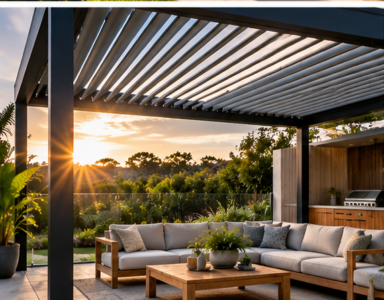
- Adjustable louvred roofing for control over sun, shade and airflow
- Fixed roofing as a comparison option, where continuous cover is preferred
- Wall-mounted and freestanding configurations
- Manual and motorised roof operation
- Manual and automatic pull-up screens
- Sliding door louvred panels and louvred wall panels
- Glass sliding doors for added enclosure
- Integrated screening for shade and privacy
Roof operation
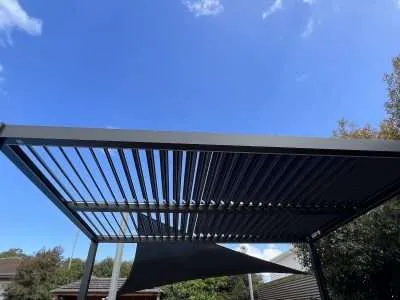
An adjustable louvred pergola lets you adjust the angle of the louvres to control sunlight, shade, and airflow. Closing the louvres can provide added rain protection where the system is designed to manage water, but performance still depends on drainage, installation and weather conditions. Fixed roofing, by comparison, provides continuous cover without the ability to vary light and airflow.
Manual operation suits homeowners who want straightforward roof control without motorisation. The manual louvred pergola uses a hand-operated system for simple adjustment.
Motorised operation adds powered roof control for more convenient adjustment throughout the day. The motorised louvred pergola suits homeowners who value push-button control over shade and airflow.
Mounting
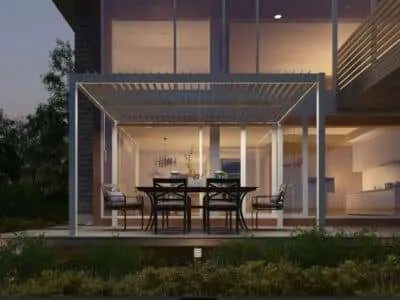
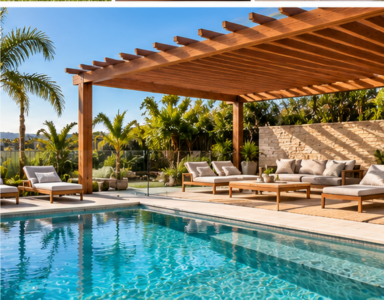
A wall-mounted louvred pergola can suit patios, courtyards and outdoor areas directly beside the home. Freestanding configurations work well for pool areas, detached entertaining zones and open gardens where there is no adjoining wall.
Screens, panels and enclosure
Manual pull-up screens provide adjustable shade and privacy while maintaining flexibility in the space. For powered screen control, automatic pull-up screens can be useful for frequent operation or larger openings.
A sliding door louvred panel adds side screening, privacy and airflow control while still allowing the opening to be adjusted as needed.
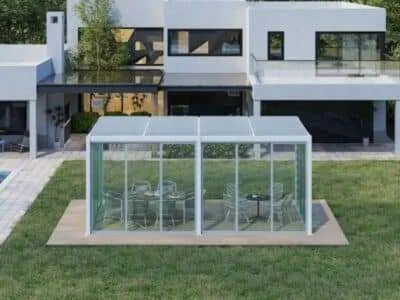
For greater enclosure, pergola glass sliding doors can retain natural light while reducing direct exposure to wind and rain. Combining roof, screen and enclosure options lets you shape the pergola around privacy, shade and weather protection, without treating it as a fully insulated indoor room.
How Much Do Aluminium Pergolas Cost and What Maintenance Do They Need?
The cost of an aluminium pergola varies with size, roof system, operation, mounting configuration, accessories, installation and delivery requirements. Current Unique Pergolas listings show manual models from $3,999 to $8,999 and motorised models from $6,299 to $10,999. Prices can change, and screens, panels, doors and other extras are priced separately, so check the current product page before setting a final budget.
| Factor | What to compare |
|---|---|
| Pergola size | Small, medium and larger outdoor areas, usable footprint and available kit sizes |
| Construction | Aluminium frame, finish and structural components |
| Roofing | Fixed or adjustable options suited to the project |
| Operation | Manual versus motorised |
| Configuration | Freestanding versus wall-mounted |
| Installation | DIY kit versus professional assistance where required |
| Screens | Optional manual or automatic pull-up screens |
| Doors and panels | Sliding louvred panels or glass enclosure options |
| Customisation | Colour, configuration and compatible accessories |
| Maintenance | Cleaning, drainage checks, moving components and general inspection |
A larger size, motorised operation, screens, glass doors, delivery requirements or professional assistance can all increase the final amount. Comparing configurations on the same basis makes it easier to judge value than focusing only on the entry price.
Maintenance
Maintenance is generally straightforward, but aluminium is low-maintenance rather than maintenance-free:
- Clean the frame and roof regularly to remove dust, pollen and grime
- Remove leaves and debris from the roof and drainage areas
- Keep louvres and drainage points clear where relevant
- Check moving parts on manual, motorised and screen systems
- Visually inspect accessible fixings and connections
- Check screens, sliding panels and other accessories for wear
- Follow the manufacturer’s maintenance recommendations
- Clean more frequently in coastal areas where salt deposits can build up
Aluminium usually needs less routine refinishing than timber because it does not require staining or sealing to protect against rot. Periodic cleaning and basic inspections still help preserve the finish and keep moving components operating as intended. Maintenance requirements, accessory costs and the chosen operating system should be weighed alongside the initial purchase price.
Frequently Asked Questions
Are aluminium pergolas suitable for coastal areas?
Yes, aluminium is generally well suited to coastal homes, but it is not corrosion-proof. Performance depends on the quality and condition of the coating, the fixings used, salt exposure and how regularly the structure is cleaned. Salt deposits can affect surfaces and hardware over time, especially where coatings are damaged. Check the manufacturer’s coastal recommendations and plan for more frequent cleaning in exposed locations.
Do aluminium pergolas rust?
No, aluminium does not rust the way iron or ordinary steel does. Rust is associated with ferrous metals, whereas aluminium naturally forms a thin oxide layer that helps protect its surface. Aluminium can still corrode under certain conditions, including salt exposure, damaged finishes or contact with incompatible metals. A suitable finish, compatible fixings and routine maintenance remain important even though the frame does not rust like steel.
How long does an aluminium pergola last?
There is no single lifespan that applies to every aluminium pergola. Service life depends on material quality, finish, installation, local exposure and maintenance. Unique Pergolas advertises a 10-year warranty on its standard range, but a warranty describes the manufacturer’s stated coverage rather than predicting the structure’s total lifespan. Follow the product’s maintenance guidance and address any coating, fixing or moving-component issues as they appear.
Are aluminium pergolas waterproof?
Not unconditionally. Adjustable louvres can provide substantial rain protection when closed if the specific system is designed to manage water, but performance depends on the roof design, drainage, installation and weather conditions. Heavy or wind-driven rain may still enter around edges or openings. If reliable rain protection is important for the planned use of the area, confirm the system’s documented performance with the supplier before purchase.
How much does an aluminium pergola cost?
Cost varies with size, roof operation, configuration and accessories. Unique Pergolas lists manual models from $3,999 to $8,999 and motorised models from $6,299 to $10,999. Delivery, screens, sliding panels, glass doors or other additions change the final project cost. Check current product pricing and inclusions before budgeting, because listed prices and available configurations may change.
Do you need council approval for an aluminium pergola?
Approval requirements depend on the location and the specific project, so there is no single Australia-wide rule. Dimensions, height, proximity to boundaries, attachment method, planning overlays and local requirements can all affect the approval pathway. Check with the relevant local council, state or territory planning authority, or a qualified building professional before construction to confirm what applies to your property.
Choose the Configuration That Suits Your Site
Aluminium performs well in many Australian outdoor environments, does not rot like timber or rust like ferrous steel, and generally requires less routine refinishing. Manual, motorised, wall-mounted, and freestanding configurations suit different spaces and uses, while screens, panels, and glass doors add privacy or weather protection where required.
The right choice depends on climate, site exposure, available space, intended use and budget rather than appearance alone. Compare the current DIY pergola kit range by roof operation, mounting style and compatible accessories, then contact the team with your site dimensions if you want help matching a configuration to your conditions. Seek professional advice where structural, electrical or approval requirements need clarification.