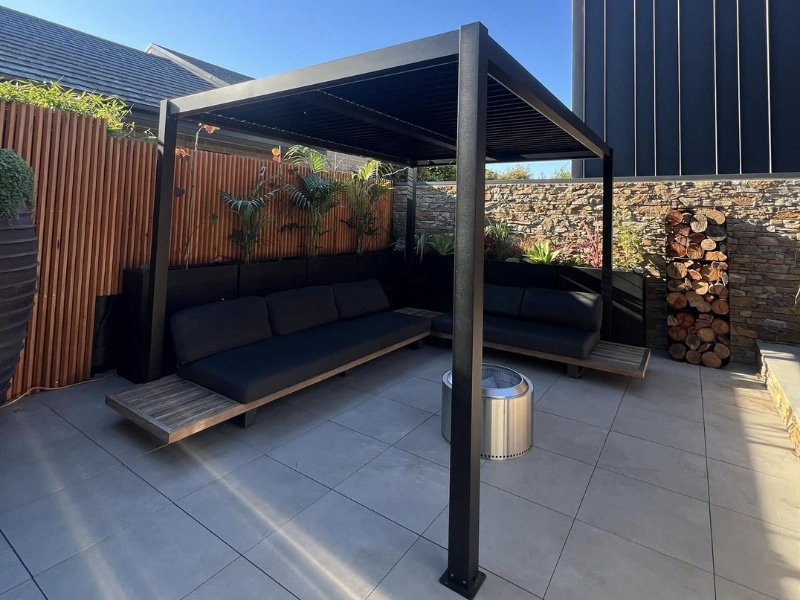
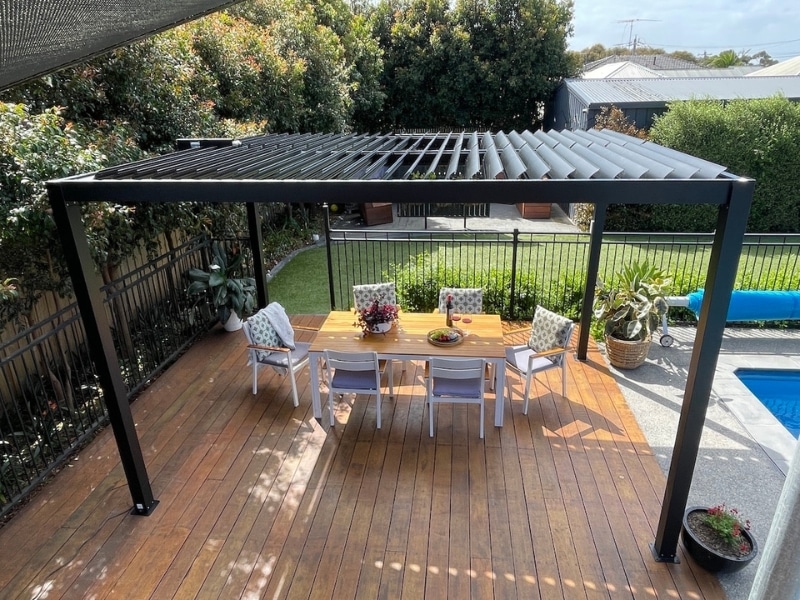
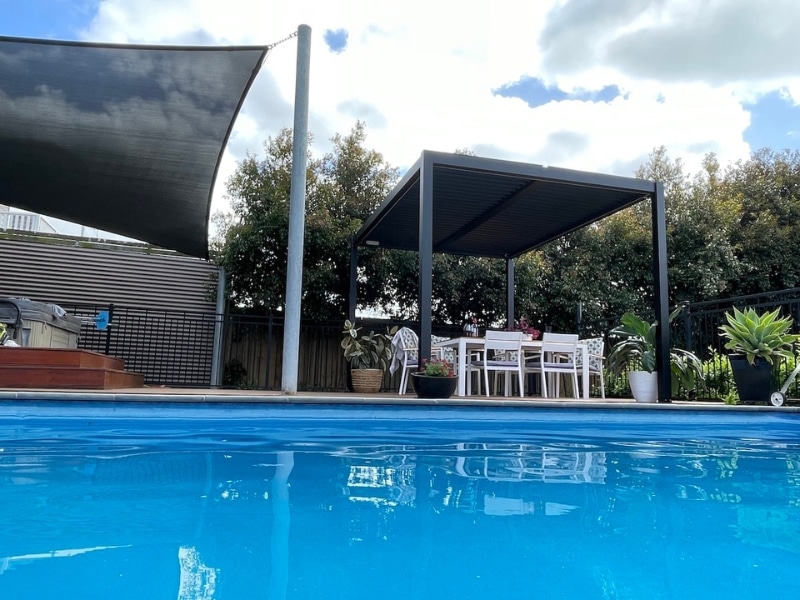
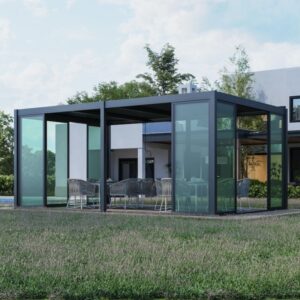
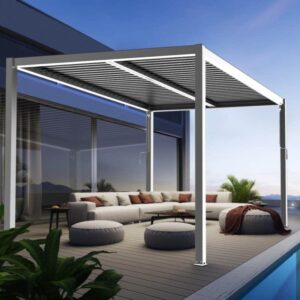
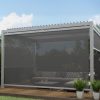
A pergola can transform your outdoor space into a stylish and functional area, perfect for entertaining, relaxing, or simply enjoying the fresh air. However, choosing the right time to install one can make all the difference. Timing your pergola installation properly ensures a smoother process, better results, and potentially lower costs. So, when is the best season to install a pergola? This guide explores the factors that influence this decision.
What factors affect the best season for a pergola?
Several factors play a role in determining the best time to install a pergola. These include:
Factor
Details
Weather conditions
Dry, mild, and predictable weather is ideal. Avoid rainy seasons or extreme heat.
Material stability
Mild temperatures prevent expansion or contraction, reducing the risk of warping or cracking.
Contractor availability
Professionals are busiest in peak seasons. Book early to secure a spot.
Personal schedule
Spring installation prepares for summer, while autumn ensures comfort in cooler months.
Cost considerations
Prices for materials and labour can fluctuate. Off-peak seasons may offer better deals.
Is spring the best season for pergola installation?
Spring is a popular season for outdoor improvement projects, and pergola installations are no exception. Here’s why:Pros of installing a pergola in spring:
Mild weather: Spring offers ideal temperatures that prevent materials from expanding or contracting too much.
Ready for summer: Installing a pergola in spring means your outdoor space will be ready for entertaining and relaxation by the time summer arrives.
Increased property value: Adding a pergola before the peak home-buying season can boost your property’s appeal and market value.
Cons of spring installations:
High demand: Spring is a busy season for pergola installers, which may result in longer wait times and higher prices.
Unpredictable weather: While generally mild, spring can also bring unexpected rain, which may delay installation.
Why do many homeowners prefer summer for pergola projects?
Summer is another prime season for pergola installations, particularly for those who prefer to DIY.Pros of installing a pergola in summer:
Dry and predictable weather: Summer usually provides stable weather conditions, reducing the risk of delays.
Extended daylight hours: Longer days allow for more work hours, making it easier to complete DIY projects.
Instant use: Installing a pergola in summer means you can immediately enjoy it for gatherings and relaxation.
Cons of summer installations:
Heat challenges: High temperatures can make installation uncomfortable, especially for DIY enthusiasts.
Busy schedules: If hiring professionals, summer schedules may be booked, so advanced planning is essential.
For a summer installation, an early start is beneficial, allowing you to bypass peak heat and secure materials and services. When considering a summer installation, evaluate if an open pergola provides enough shade for your climate. This can help you determine whether additional shading solutions or accessories might be needed to keep your space comfortable year-round.
Can autumn be a cost-effective time to install a pergola?
Autumn often brings cooler temperatures and reduced demand for outdoor installations, making it an appealing time for budget-conscious homeowners.Pros of installing a pergola in autumn:
Mild weather: Autumn’s cooler temperatures provide comfortable working conditions for both professionals and DIY enthusiasts.
Preparation for cooler months: Installing in autumn ensures that your pergola is ready for use in the cooler months, extending the lifespan of your outdoor furniture and decor.
Cons of autumn installations:
Shorter daylight hours: Days become shorter, which may slow down installation progress.
Potential delays: Early autumn weather can be unpredictable, with occasional rain.
While winter may not be the first season that comes to mind for outdoor projects, it can be an excellent time to install a pergola, especially for those planning ahead.Pros of installing a pergola in winter:
Off-peak discounts: Contractors often have lighter schedules during winter, which can lead to better pricing and quicker turnaround times.
Less pressure: With fewer outdoor projects underway, installers can devote more attention to your pergola.
Ready for spring: Completing the installation in winter ensures your outdoor space is ready for enjoyment once warmer weather returns.
Cons of winter installations:
Weather challenges: Colder temperatures and potential rainfall can slow down the installation process.
Material sensitivity: Certain materials may be more susceptible to damage in extreme cold.
Pro tip:If you plan to install a pergola in winter, opt for aluminium or composite materials that are less affected by cold temperatures.
How does climate affect the best season for a pergola?
Australia’s diverse climate zones can influence the best time for pergola installations. Here’s a quick breakdown by region:
Tropical regions (e.g., Northern Queensland): The dry season (May to September) is the best time to install, avoiding heavy rains.
Temperate regions (e.g., Sydney and Melbourne): Spring and autumn offer the best balance of mild temperatures and dry conditions.
Arid regions (e.g., Central Australia): Autumn and early winter provide cooler temperatures, making installation more comfortable.
Choosing the best season to install your pergola depends on various factors, including climate, cost, and personal preferences. Spring and summer offer ideal weather and immediate usability, while autumn and winter provide cost-effective opportunities. Consider your timeline, budget, and local climate when deciding the perfect time to enhance your outdoor space. If you’re ready to enhance your outdoor space, discuss your pergola design ideas with Unique Pergolas’ design team.