Blog

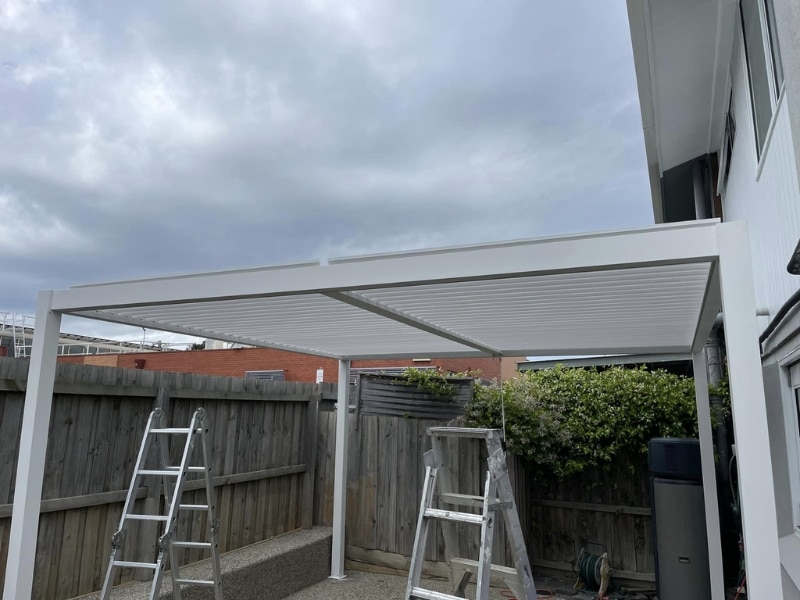
Building a pergola improves outdoor living by creating a more usable, comfortable and flexible area that adapts to the way you spend time outside. Many Australian backyards feel underutilised because the space lacks structure, and a pergola instantly changes how the area functions. A well-designed structure shapes airflow, shade and movement, making daily outdoor use far easier and more inviting. This article explores how building a pergola enhances outdoor comfort and helps you enjoy your space more.
Why do homeowners struggle to maximise outdoor spaces?
Homeowners struggle to maximise outdoor spaces because an unstructured yard makes it hard to set up areas that feel purposeful or comfortable for everyday activities. This often leads to patches of underused land that offer potential but fall short in practice. A backyard may look spacious on paper, yet the absence of design direction causes people to feel unsure about how to position furniture, plant zones or activity hubs. Poor orientation adds another layer of difficulty, and shifting conditions across seasons can make the area feel unpredictable.
- Many yards lack clear shade coverage, which forces people indoors during harsh sun or sudden rain, limiting how often the space works for daily use.
- Furniture without shelter deteriorates quickly, leading to costly outdoor wear and tear and discouraging long-term investment in the space.
- A bare yard often feels disconnected from the home, reducing the sense of flow that encourages people to spend more time outdoors.
- The absence of defined zones makes it difficult to host gatherings because guests are unsure where to sit, stand or move comfortably.
When you understand these issues, you can see why people often end up inside despite having a generous outdoor room. A thoughtful structure immediately reshapes how the area works and feels. When people start looking for solutions, many discover that high-quality pergola kits give them the structure they need without complicated planning or construction hurdles.
What challenges limit comfort in typical backyard areas?
Comfort becomes limited in typical backyard areas because exposure, layout and materials all influence how inviting the space feels through the year. Without shelter or planning, comfort depends entirely on the weather, which is rarely ideal all day. Shade, airflow and furniture placement all play a role in how relaxed you feel outside. When any of these elements are off balance, the yard becomes something you move through rather than a place you happily stay.
- Unfiltered sunlight creates harsh, fatiguing heat that shortens the time anyone wants to sit outdoors.
- Sudden rain limits outdoor activities and damages furniture, which discourages people from setting up a comfortable seating area.
- Strong wind can move light furniture, scatter items and make people retreat inside much sooner than planned.
- The ground surface often becomes too hot or cold, depending on conditions, creating discomfort when walking across the area.
These challenges slowly chip away at outdoor enjoyment, making the yard feel like more trouble than it’s worth. Comfort improves dramatically when design choices suit the climate, and learning the best season to install a pergola can help homeowners make upgrades at the ideal time.
Why can poor layout choices make outdoor living less enjoyable?
Poor layout choices make outdoor living less enjoyable because they interrupt movement, limit airflow and reduce the sense of balance needed for a welcoming space. A layout that fights natural patterns makes the area feel awkward instead of functional. When furniture placement clashes with sun direction or activity flow, the yard becomes something people avoid. A poor layout also traps heat in summer or places visitors directly in glare, creating discomfort that’s easy to overlook but hard to ignore once you sit down.
- Seating areas positioned without shade leave people exposed to the elements, reducing the appeal of staying outside for meaningful periods.
- Activity zones placed too close together cause crowded, uncomfortable movement, especially when hosting friends or family.
- Walkways that don’t match natural footpaths create unnecessary detours and increase wear on lawn or garden beds.
- Furniture placed against airflow patterns blocks cooling breezes, making the area feel warmer than necessary.
These problems add frustration to ordinary tasks, making outdoor living feel less natural and more effort than it should.
Many Australians avoid these layout mistakes by understanding how to install a pergola safely and efficiently, which helps ensure their structure supports rather than restricts the way they use their outdoor areas.
What benefits come from building a pergola at home?
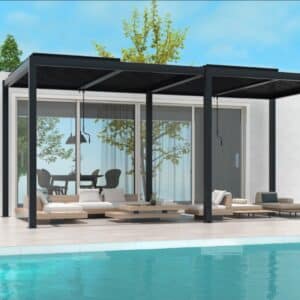
Building a pergola at home provides benefits because it creates a defined living zone that improves comfort, practicality and aesthetics simultaneously. This transforms how people move, gather and relax outside. The right structure shields from sun, rain and wind, increasing daily usability. It also forms a central feature that ties the yard together, helping the space feel cohesive instead of scattered.
- A pergola creates dependable outdoor comfort, allowing more activities regardless of weather or season.
- The structure adds visual balance, anchoring furniture and creating a natural gathering point for meals or conversation.
- Shade improves furniture longevity and helps maintain cooler temperatures, reducing discomfort during warmer months.
- A pergola provides styling flexibility, allowing vines, lighting or screens to personalise the space year-round.
To help illustrate how these benefits compare, the table below outlines key improvements:
| Benefit | Effect on Outdoor Living |
| Shade | Enhances comfort and protects furniture |
| Structure | Defines zones and improves usability |
| Airflow Control | Supports cooler temperatures in summer |
| Styling Options | Allows personalisation through plants or lighting |
These benefits show how a pergola shapes both the look and function of your yard.
What should you consider first when building a pergola?
You should consider planning priorities first because they determine how well the pergola suits your space, climate and lifestyle over time. Early decisions strongly influence the final result. A good pergola works with the home’s orientation, complements existing structures and supports natural movement. When these choices are made carefully, the structure feels integrated rather than added as an afterthought.
- Orientation should match sun direction to ensure the structure provides shade where it’s needed throughout the day.
- Materials must suit local weather patterns so the pergola remains sturdy and avoids long-term maintenance headaches.
- The size of the pergola should fit your furniture needs without overwhelming the yard or restricting movement.
- Ventilation gaps and roof design must support airflow to prevent the area from feeling enclosed or overly warm.
These considerations shape the longevity and comfort of the finished pergola. Thoughtful design becomes even more important when discussing safety, especially when understanding how shade structures support safer outdoor living
Why can building a pergola transform everyday outdoor use?
Building a pergola transforms everyday outdoor use because it turns a simple yard into an adaptable living zone that works across tasks, seasons and routines. This versatility is what encourages people to spend more time outside. A pergola extends the sense of home into the yard, adding purpose to open space and removing barriers that previously limited daily enjoyment.
- They create shade that supports relaxing, reading or working outdoors without battling uncomfortable light exposure.
- They offer privacy screening, reducing sightlines and delivering greater personal comfort in tightly spaced neighbourhoods.
- They encourage outdoor dining, allowing meals outside without constant interruptions from weather changes.
- They develop a clear social area that feels intimate even in larger yards, making gatherings more comfortable year-round.
These features help turn the backyard into an everyday extension of indoor living, not an occasional retreat.
Final thoughts on creating a more comfortable outdoor space
Creating a more comfortable outdoor space depends on decisions that make your yard functional, shaded and easy to use through the year. A pergola plays a major role in shaping all of these qualities, helping you enjoy the outdoors more often and with less hassle. If you’re exploring ways to improve your yard, contact Unique Pergolas to discuss options that support long-term comfort without overcomplicating your space.