Blog


Choosing the perfect pergola kit comes down to matching your outdoor space, design preferences, material durability, weather protection needs, and installation requirements to how you actually live outdoors. Pergola kits have surged in popularity across Australian backyards, offering flexible, customisable outdoor living solutions, with modern louvred pergola systems now leading the demand for year-round versatility.
Whether you’re after a simple weekend DIY project or a fully engineered structure that can handle a Queensland storm season, the right pergola kit transforms an unused patch of yard into the most-used part of the house. The sections below walk through exactly what to consider, in the order most homeowners need to think about it.
Which Pergola Kit Materials Are Best for Durability and Style?
Aluminium pergola kits offer the best balance of durability and low maintenance for most Australian climates, resisting rust, warping and UV damage with minimal upkeep. Steel suits larger spans needing extra strength, timber delivers natural warmth but demands regular treatment, and composite materials offer a timber look with far less ongoing care.
Material selection affects far more than first impressions. It influences how long the structure lasts, how much time and money you’ll spend maintaining it, how it copes with your local climate, and how much it adds to your property’s resale appeal. A pergola kit chosen purely on upfront price often ends up costing more over a decade once repainting, resealing or replacing damaged components is factored in.
- Aluminium pergola kits: corrosion-resistant, lightweight yet strong, and require no painting or sealing, making them a practical choice for coastal and humid regions.
- Steel pergola kits offer high load-bearing strength for larger or attached structures, though they need protective coatings to prevent rust over time.
- Timber pergola kits: provide a classic, natural appearance that suits traditional and Hamptons-style homes, but require sanding, staining or sealing every one to two years.
- Composite pergola materials: combine recycled fibres and polymers to mimic timber grain while resisting rot, termites and fading.
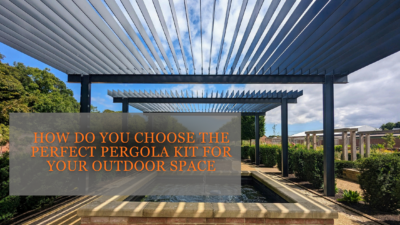
- Modern louvred pergola systems: typically built from powder-coated aluminium, allowing precise control over light, ventilation and weather exposure.
Aluminium pergola kits are popular in Australia because powder-coated frames can last for years with minimal maintenance, unlike timber, which requires regular upkeep. Timber offers natural warmth and texture, leading some homeowners to combine aluminium frames with timber-look features. Although aluminium and composite materials may cost more upfront, they often provide better long-term value due to lower maintenance and repair costs. Because weather resistance varies even within a material category, it’s worth checking how a kit’s coatings and fixings meet the relevant Standards Australia standards, and reviewing how different pergola roof styles affect light, drainage and insulation before finalising your material choice.
How Do You Choose the Right Pergola Kit Size for Your Outdoor Area?
The right pergola kit size depends on your available outdoor area, the activities you want to host, and how the structure relates to existing features such as doors, paths, and fence lines. As a general guide, allow at least 3.6m x 3.6m for a dining setting, and more for comfortably entertaining larger groups.
Getting the size right is one of the most consequential decisions in the entire process, because an undersized pergola feels cramped and underused. At the same time, an oversized one can overwhelm a small yard or block natural light to nearby rooms. The goal is a structure that feels proportionate to the house and genuinely supports how you intend to use the space.
- Patio and deck dimensions: measure existing hardscaping first, since a pergola kit that extends past the edge of a deck can create awkward drip lines and unusable corners.
- Outdoor dining areas: factor in chair clearance and walking space around the table, not just the table’s footprint.
- Entertainment zones: larger gatherings need room for movement, additional seating and possibly a bar or kitchen zone.
- Poolside spaces: allow for safety clearances, splash zones and shade angles that track the sun across the day.
- Garden and courtyard installations: smaller footprints can still work well when the design frames a feature such as a garden bed or an outdoor fireplace.
One of the most common sizing mistakes homeowners make is measuring the floor area without accounting for roof overhang, post placement or the swing radius of doors and gates. Another is underestimating afternoon shade requirements, which often means the structure needs to be larger or positioned differently than the initial plan suggested. On the flip side, a generously sized pergola can do more than provide shelter. It helps define separate outdoor living zones, such as a dining area at one end and a lounge setting at the other, without the cost of building solid walls. Because even small measurement errors can affect material orders, footing placement and council compliance, most experienced installers recommend a professional site measurement before finalising your purchase, particularly for larger or attached structures.
What Are the Benefits of Installing a Pergola Kit at Home?
Installing a pergola kit adds usable outdoor living space, year-round shade and weather protection, and a noticeable boost to street appeal and property value. It extends the functional footprint of a home without the cost or approval complexity of a full room addition, while still offering flexible design options to suit almost any style.
The appeal of a pergola goes well beyond shade on a sunny afternoon. As Australian households increasingly treat the backyard as an extension of the living room, a well-designed pergola becomes one of the most-used areas of the property, whether that’s for a quiet morning coffee, a weekend barbecue or a children’s birthday party that needs to move outside without losing comfort.
- Additional shade and weather protection: reduces direct UV exposure and keeps outdoor furniture and flooring protected from sun damage.
- Improved outdoor comfort: creates a more temperate microclimate, especially when paired with louvres, screens or fans.
- Increased entertaining space: provides hosts with a dedicated zone for dining, lounging, or outdoor cooking that doesn’t compete with indoor living areas.
- Enhanced property appeal: a well-built pergola is one of the more visible upgrades a buyer notices during an inspection.
- Flexible design options: kits can be freestanding, attached, or fitted with adjustable roofing to suit almost any block.
- Potential increase in property value: quality outdoor structures are increasingly factored into property appraisals as buyer expectations shift toward indoor-outdoor living.
The rising demand for outdoor lifestyle upgrades reflects a broader shift in how Australians use their homes, particularly since more people are working from home part of the week and looking for a change of scenery without leaving the property. This indoor-outdoor living trend has made the pergola one of the most requested additions for families wanting a flexible space that adapts: a shaded reading nook in the morning, a dining area at lunch, and an entertaining zone in the evening. Families with young children often find that a pergola-covered patio becomes the default play area during the hottest months, since it stays cooler than an open lawn while still keeping kids visible from the kitchen.
How Easy Is It to Install a Pergola Kit Yourself?
A standard freestanding pergola kit with pre-cut components and clear instructions is achievable for a confident DIYer over one to two weekends, using common hand and power tools. Larger structures, attached designs, motorised louvres or anything requiring footings and council approval generally benefit from professional installation.
Most kit manufacturers design their products around a logical, numbered assembly sequence, which is what makes DIY installation realistic for homeowners without trade experience. That said, the complexity scales quickly once you move beyond a simple freestanding frame, so it’s worth being honest about your skill level, available time and tools before committing to a self-install.
- Assembly complexity: freestanding aluminium kits are generally the simplest, while attached and motorised systems involve more precise alignment and electrical work.
- Required tools and equipment: expect to need a drill, a spirit level, a socket set, a ladder, and a second pair of hands for lifting beams into place.
- Foundation requirements: concrete footings or paving anchors must be set and cured before contractors can erect the frame, which extends the overall timeline.
- Council approval considerations: size, height, boundary setbacks and roof type all influence whether your pergola needs planning approval in your state.
- Motorised feature installation: motorised louvred pergola systems typically require an electrician for wiring and a technician for calibration, so these are rarely a full DIY job.
Most straightforward DIY pergola kits take a full weekend for assembly once the footings are in place, with an additional day or two if concrete needs to cure beforehand. Common installation challenges include uneven ground, misaligned post holes and underestimating how heavy roofing panels are to lift solo, all of which are easier to manage with a second installer on site. Manufacturer-supported installation guides, including video walkthroughs and pre-drilled components, make a measurable difference to how smoothly a DIY build goes, which is one of the reasons quality DIY Pergola Kits Australia are designed with home installers in mind rather than only trade professionals. Before digging any footings, it’s worth checking your obligations against the NSW Planning Portal or your relevant state planning authority, since exemption thresholds for size, height and boundary distance vary by location and can change the scope of your project.
Which Pergola Kit Design Best Suits Your Outdoor Living Space?
The best pergola kit design depends on whether your structure stands alone, attaches to the house, or mounts against a wall, and on how much control you want over light and weather. Freestanding designs suit open gardens, attached pergolas extend living areas, and louvred systems, whether manual or motorised, suit homeowners wanting year-round adaptability.
Design choice should follow function rather than the other way around. A pergola that looks striking in a brochure but doesn’t suit the block’s orientation, the household’s routine or the local climate will end up underused. Hence, it pays to think through how each design type performs in real backyard conditions before deciding.
- Freestanding pergolas: ideal for poolside areas, garden features, or any space where the structure stands independently from the house.
- Attached pergolas: extend an existing roofline, making them a natural fit for alfresco dining areas just off the kitchen or living room.
- Wall-mounted pergolas: suit narrow courtyards and side passages where a full freestanding frame would eat into limited floor space.
- Manual louvred pergola systems: give homeowners hands-on control over shade and airflow at a lower cost than motorised alternatives.
- Motorised louvred pergola systems allow instant adjustment via remote or app, making them ideal for households seeking weather-responsive shade without manual effort.
Louvred pergola systems are becoming a preferred choice across Australian outdoor design because they solve the one limitation of a fixed-roof pergola: the inability to adapt to changing weather. Being able to tilt louvres open for airflow on a humid evening or close them flat ahead of a sudden downpour extends the number of days homeowners can use the space each year. For example, a motorised louvred pergola suits busy households wanting weather-responsive shade at the touch of a button, while a manual louvred pergola appeals to homeowners who prefer a simpler mechanism with lower running costs. Narrow courtyards often work best with a wall-mounted louvred pergola, which maximises usable floor space without the need for a second row of support posts.
Beyond the roof itself, the way a pergola integrates with the rest of the home plays a big role in everyday usability. Homeowners extending an alfresco area off a kitchen frequently pair their structure with pergola glass sliding doors to create a seamless transition between indoor and outdoor living. In contrast, those in windier or insect-prone areas often add a manual or automatic pull-up screen to manage airflow without losing the open feel. For larger outdoor kitchens or entertaining zones, a sliding door louvred panel can section off part of the space on cooler evenings while keeping the rest open. All structural components, regardless of design, should be checked against the relevant Australian Standards for wind loading and structural performance referenced in the National Construction Code, administered by the Australian Building Codes Board, to ensure the finished structure performs safely in local conditions.
Bringing It All Together
The ideal pergola kit combines the right size, material, design and functionality for your specific block, climate and lifestyle, rather than the most popular option on a showroom floor. Modern louvred pergola systems offer the flexibility, weather protection, and contemporary aesthetic that suit how most Australian households actually use their outdoor space today. Careful planning around sizing, materials and installation requirements pays off in comfort, durability and long-term value, often for less than the cost of fixing a poorly planned structure later.
If you’re ready to move from research to a real plan, take the time to explore the pergola designs available, compare material and roofing options side by side, and get advice from a specialist who can talk through your specific block, orientation and budget. A short conversation with a pergola specialist before you order anything is the easiest way to avoid the sizing and material mistakes covered above, and it’s worth exploring custom outdoor living solutions if a standard kit doesn’t quite fit your space. Browse the full range on the DIY Pergola Kits Australia homepage to start comparing options for your project.
Frequently Asked Questions
What Is a Pergola Kit?
A pergola kit is a pre-engineered outdoor structure supplied with all the components needed for assembly, including posts, beams, roofing or louvres, brackets and fixings. Manufacturers offer kits in aluminium, steel, timber, or composite materials, with options for freestanding, attached, wall-mounted, or louvred designs, and make most models easy to install for DIY homeowners and trade professionals.
How Do I Choose the Right Pergola Kit for My Backyard?
Start by measuring your available space and deciding how you’ll use it, whether for dining, lounging or poolside shade. Factor in sun and wind exposure, the design style that suits your home, and whether you might add features like louvres or screens later. Choosing a kit with some flexibility for future upgrades avoids having to start over as your needs change.
What Materials Are Commonly Used in Pergola Kits?
Aluminium is the most popular choice for its low maintenance and corrosion resistance, while steel offers extra strength for larger spans at the cost of needing protective coatings. Timber delivers a natural, traditional look but requires regular sealing and treatment. Composite materials replicate timber’s appearance while resisting rot, fading and termite damage with far less upkeep.
Can I Install a Pergola Kit Myself?
Yes, many freestanding aluminium pergola kits are designed for DIY installation over one to two weekends using basic tools. Larger, attached, or motorised louvred structures require more complex footings, electrical wiring, and alignment work, which often makes professional installation the safer and faster option. Checking the manufacturer’s instructions before purchasing gives a realistic sense of the time and skill required.
How Long Does a Pergola Kit Typically Last?
A well-installed aluminium pergola kit can last 20 to 30 years or more with minimal upkeep, while timber structures typically need replacement or major restoration within 10 to 15 years without consistent maintenance. Lifespan depends heavily on installation quality, exposure to harsh weather, coastal salt air, and how consistently the structure is cleaned and inspected over time.