Blog

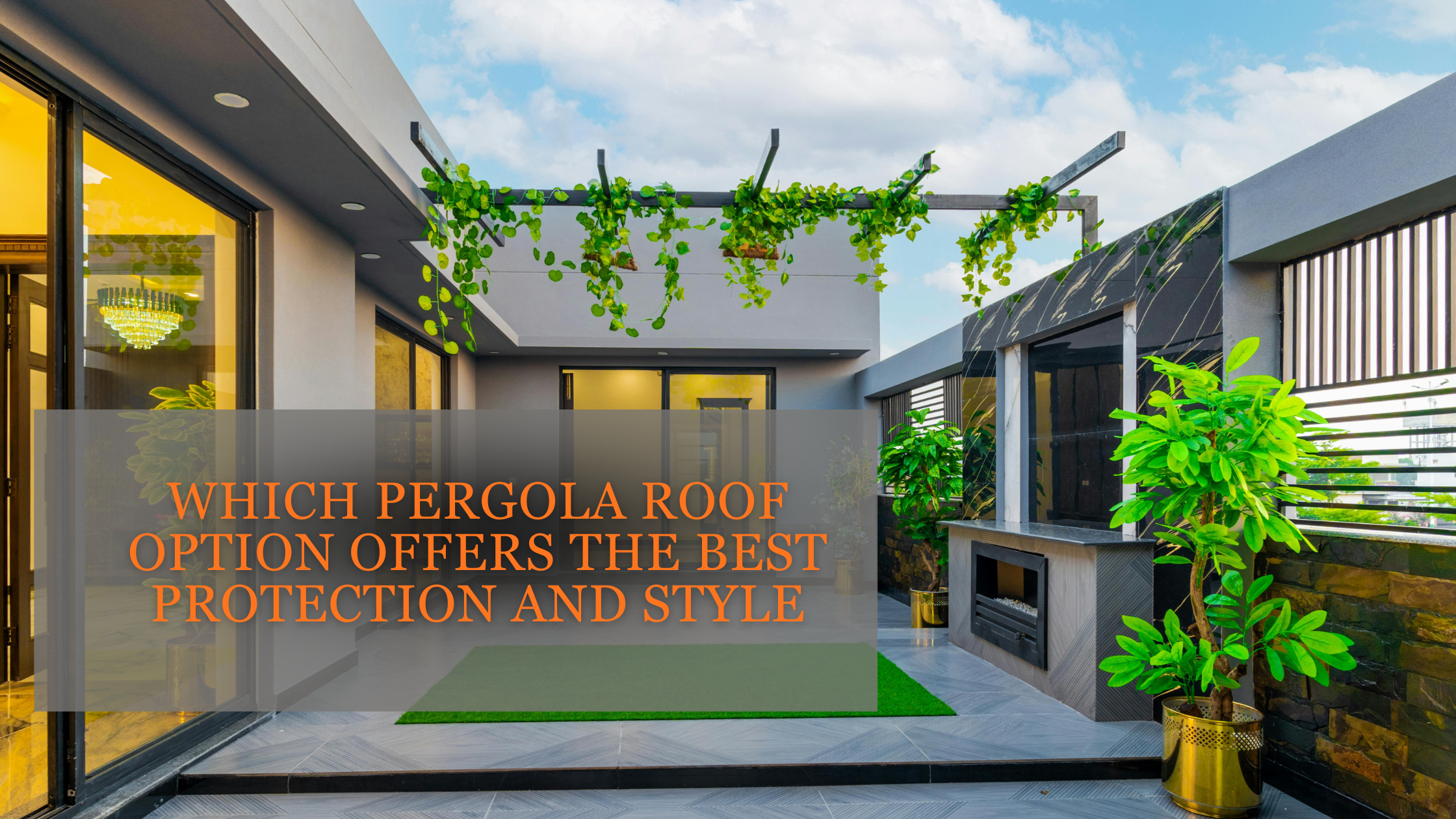
The best pergola roof option depends on the balance you need between weather protection, ventilation, aesthetics and maintenance. Fixed roofs provide consistent shade and rain cover. At the same time, a louvred pergola offers adjustable control over sunlight, airflow, and rain protection, making it a popular choice for Australian outdoor living spaces year-round.
How Do Different Pergola Roof Designs Affect Outdoor Comfort?
Pergola roof design affects comfort by controlling how much sun, airflow and rain reach the space below. Open roofs maximise ventilation but offer no rain protection, solid and insulated roofs block sun and rain but limit airflow, and adjustable louvred roofs let you fine-tune shade and ventilation as conditions change throughout the day.
Each roofing style creates a noticeably different outdoor experience, and the right choice depends on how the space will be used and which season matters most to you. Before deciding, it helps to understand the main categories available:
- Open-roof pergolas
- Fixed solid roof pergolas
- Polycarbonate roof systems
- Insulated panel roofs
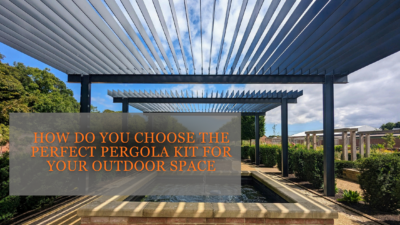
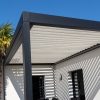
- Adjustable louvred pergola roofs
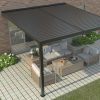
An open-roof pergola relies solely on rafters or beams, casting dappled shade, allowing full airflow, but offering no protection from rain. Fixed solid roofs and insulated panels sit at the other end of the spectrum, blocking sun and rain completely but trapping heat underneath on still days because there is nowhere for warm air to escape. Polycarbonate sheeting strikes a middle ground, letting diffused light through while keeping most rain out, though ventilation remains limited unless the structure includes open sides.
The key difference that often gets overlooked is passive shade versus adjustable shade. A fixed roof gives you the same coverage every single day, regardless of whether it is overcast in July or thirty-five degrees in January. An adjustable louvred pergola roof, by contrast, lets you open the blades fully on a mild afternoon to let breeze and light through, then close them flat within seconds when a sudden downpour hits. This is one reason adjustable systems are gaining ground in Australian homes, particularly in regions with unpredictable weather swings between seasons, since a single structure adapts to conditions that would otherwise require two different roof types.
What Is the Best Pergola Roof Option for Year-Round Use?
A louvred pergola roof is generally the best option for year-round use because it adapts to changing weather rather than locking you into one level of coverage. It combines adjustable sunlight control, rainwater management, and ventilation in a single system that fixed roofing options cannot match across all four seasons.
Year-round functionality comes down to how well a roof withstands weather extremes without requiring manual covers, extra shade sails, or seasonal swaps. The features that matter most for all-season performance include:
- Adjustable sunlight control
- Rainwater management systems
- Ventilation and airflow control
- UV protection
- Durability against wind and storms
A louvred pergola often outperforms fixed roofing because the blades rotate to match the sun angle and weather rather than holding a single fixed position. During a Queensland or Northern Territory wet season, closing the louvres flat turns the structure into a fully weatherproof shelter with integrated gutter channels directing rainwater away. During a mild Victorian or South Australian autumn, opening the blades partway lets warm light in while still breaking direct glare.
The seasonal contrast is where adjustable systems earn their value. In summer, angled louvres block harsh overhead sun while still allowing cross-breeze, which keeps an outdoor dining area usable through the hottest part of the afternoon. In winter, fully open louvres let low-angle sun warm paved or decked areas, extending the hours when entertaining is comfortable. Motorised louvred systems add further convenience, since a wall-mounted control or smartphone app can adjust the roof in seconds rather than requiring a manual crank, which matters most when the weather changes quickly. You are not standing right next to the structure. Many Australian households use this flexibility to run an outdoor kitchen or alfresco dining zone as a genuine extension of the home, hosting gatherings in both January heat and June chill without reconfiguring the space.
How Does a Pergola Roof Improve Outdoor Living Spaces?
A pergola roof improves outdoor living spaces by turning exposed, weather-dependent areas into functional zones usable regardless of sun or light rain. Overhead protection extends the practical hours and seasons during which a patio, dining area, or poolside zone remains comfortable, increasing both everyday usability and the home’s visual appeal.
Outdoor dining spaces benefit most directly, since a roof allows homeowners to leave a table setting in place during light rain and avoid relocating it whenever the sun shifts overhead. Entertaining areas offer similar advantages, allowing guests to stay outside comfortably for longer rather than crowding back indoors once the weather turns. Poolside retreats use roofing to manage glare and UV exposure on lounge areas without losing the open, resort-style feel that makes a pool zone enjoyable. Outdoor kitchens rely on overhead cover to protect appliances, benchtops and cabinetry from sun damage and rain ingress, while covered patios simply extend the home’s usable footprint without the cost of a full extension.
This shift reflects a broader trend across Australian homes toward treating the backyard as an outdoor room rather than a separate, secondary space. A well-roofed pergola creates a seamless transition between indoor and outdoor living, particularly when it connects directly to existing doors or windows, making the boundary between inside and outside far less noticeable. For families, this translates into more usable space for everyday life, whether that is a shaded play area, a weekend barbecue spot that does not depend on the forecast, or an entertaining zone that works for both quiet dinners and larger gatherings. Our guide to outdoor pergola design covers this transformation in more depth, and if you are starting from scratch, browsing DIY pergola kits Australia is a practical first step for comparing structures before adding a roofing system.
What Factors Should You Consider When Choosing a Pergola Roof?
Choosing the right pergola roof depends on your available space, local climate, budget and how you plan to use the area. Fixed roofs suit consistent shade needs and tighter budgets, while adjustable systems suit homeowners who want flexibility across seasons. Matching the roof to your property’s sun exposure and plans avoids costly changes later.
Working through a structured set of considerations helps narrow down the right option quickly, rather than choosing based on appearance alone. The main factors worth weighing up include:
- Available outdoor space
- Roof material selection
- Fixed vs adjustable systems
- Maintenance requirements
- Budget and long-term value
- Local weather conditions
- Future enclosure options
How homeowners intend to use the space should drive most of these decisions. A small courtyard used mainly for morning coffee has very different requirements from a large entertaining deck used for evening dinners and weekend gatherings, and the roofing system that suits one will not necessarily suit the other.
Coastal properties require particular attention to material selection, as salt-laden air accelerates corrosion of lower-grade metals and fittings. Powder-coated aluminium with marine-grade fixings holds up far better near the coast than untreated steel, which can show rust within a year or two in exposed beachside locations. Roof orientation and sun exposure also matter more than many homeowners initially expect: a north-facing pergola in the southern hemisphere receives far more direct overhead sun than a south-facing one, which affects whether you need a roof that blocks sun aggressively or one that simply takes the edge off.
It is also worth planning for future upgrades at the outset rather than as an afterthought. Adding manual pull-up screens or automatic pull-up screens later can fully enclose a pergola against wind and insects, and homeowners who want a more permanent indoor-style space sometimes progress to pergola glass sliding doors. Choosing a roof frame and footings that can support these additions from the start avoids expensive retrofitting down the track.
Which Pergola Roof Styles Add the Most Value and Visual Appeal to a Home?
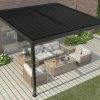
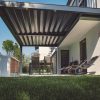
Modern louvred systems, flat insulated roofs, and contemporary aluminium pergolas tend to add the most value and visual appeal, as they read as deliberate architectural features rather than afterthoughts. The right style depends on matching the pergola’s lines and materials to the home’s existing roofline, cladding and colour palette.
Several roof styles stand out for combining strong aesthetics with everyday functionality, including:
- Modern louvred pergola systems
- Flat roof pergolas
- Insulated roof pergolas
- Contemporary aluminium pergolas
- Wall-mounted pergolas
- Freestanding pergolas
Selecting a style that complements the home’s existing architecture does more for perceived value than choosing the most expensive option available. A flat-roofed aluminium pergola attached to a contemporary brick veneer home creates a cohesive, intentional look. In contrast, a heavily ornamented timber-style roof on the same home can look mismatched and dated.
Minimalist pergola designs have remained popular for good reason: clean lines, neutral colours such as charcoal, white, or monument grey, and slim sightlines tend to suit a wider range of architectural styles than bold or heavily textured alternatives, making them a safer long-term choice if resale appeal is a consideration. Among the outdoor upgrades that consistently appeal to buyers, a well-integrated covered outdoor living area ranks highly, since it signals genuine extra usable space rather than a purely decorative addition. Architectural consistency, meaning a roofline, fascia colour, and post profile that echo the main house, tends to improve visual appeal more than any single design trend because it makes the pergola look like a natural extension of the home rather than an afterthought.
For homeowners weighing up specific configurations, comparing a wall-mounted louvred pergola with a motorised or manual louvred pergola is a practical way to see how budget, control method and mounting style each affect the final look and day-to-day convenience. Homeowners who also want the option to fully enclose the space without committing to fixed glass can look at a sliding door louvred panel, which combines the airflow control of a louvred system with the flexibility of a sliding access point, making it a popular middle-ground choice between an open pergola and a fully glazed structure.
Pergola Roof Comparison Table
The table below compares the five main pergola roof types across sun protection, rain protection, ventilation, maintenance and style appeal. Louvred pergolas stand out for offering adjustable performance across all categories, while fixed aluminium and insulated panel roofs provide the strongest set-and-forget weather protection with very low maintenance.
| Pergola Roof Type | Sun Protection | Rain Protection | Ventilation | Maintenance | Style Appeal |
| Open Roof | Low | None | Excellent | Low | Traditional |
| Polycarbonate Roof | Good | Good | Moderate | Low | Modern |
| Insulated Panel Roof | Excellent | Excellent | Limited | Low | Contemporary |
| Fixed Aluminium Roof | Excellent | Excellent | Limited | Very Low | Modern |
| Louvered Pergola | Adjustable | Adjustable | Adjustable | Low | Premium |
Use this table as a quick reference when shortlisting options. If sun and rain protection matter most and you are comfortable with a fixed level of coverage, an insulated panel or fixed aluminium roof delivers excellent results with minimal upkeep. If flexibility across the seasons and day-to-day weather changes matters more, the adjustable performance of a louvred pergola justifies its position as a premium option.
Conclusion
Choosing the right pergola roof ultimately comes down to balancing protection, comfort, maintenance and appearance against how you actually intend to use the space. There is no single roof that suits every property, climate or budget, which is why understanding the trade-offs between fixed and adjustable systems matters before committing to one.
Modern louvred pergola systems remain one of the most flexible solutions available, since they let homeowners control sunlight, airflow and rain protection from a single structure rather than compromising on one in favour of another. That said, fixed roofing options still make sense for tighter budgets or for outdoor areas with a clear, consistent purpose. Whichever direction you lean toward, selecting quality materials and arranging professional installation will have the biggest impact on how the structure performs over the long term, particularly in harsher Australian climates where UV exposure, storms and coastal corrosion all take a toll on lower-quality components.
Ready to Choose the Right Pergola Roof for Your Home?
If you are weighing up your options, it is worth exploring custom pergola solutions tailored to your property’s layout and climate rather than settling for a generic, one-size-fits-all structure. Comparing fixed and adjustable roof systems side by side, ideally with samples or a site visit, gives a clearer sense of how each performs in your specific location.
Speaking with pergola specialists about the best design for your property can also reveal options you may not have considered, from orientation adjustments to staged upgrades, such as adding screens or glass doors later. Requesting a tailored quote is a practical next step once you have a shortlist of roof types in mind, since pricing can vary significantly based on materials, span and control systems.
Frequently Asked Questions
What Is the Best Pergola Roof for Protection From Sun and Rain?
Adjustable louvred roofs and insulated panel systems offer the strongest combination of shade and weather protection. Louvred roofs suit homeowners who want flexibility to open the structure on mild days. In contrast, insulated panels suit those who want consistent, full coverage year-round without needing to adjust anything.
Which Pergola Roof Material Lasts the Longest?
Powder-coated aluminium is commonly chosen for its longest lifespan and lowest maintenance, as it resists corrosion, does not warp, and holds its colour well. Steel offers strength but needs protective coatings to prevent rust; polycarbonate is durable but can yellow over time; and insulated panels last well, provided the seals remain intact.
Can a Pergola Roof Increase the Value of a Home?
Yes, a well-designed pergola roof can increase a home’s perceived value by adding functional outdoor living space that appeals to buyers. Covered outdoor entertaining areas, shaded dining zones and poolside retreats are consistently popular features that make a property stand out during inspections and online listings.
Is a Pergola Roof Suitable for All Climates?
Most pergola roof designs perform well across Australian climates, but suitability depends on the specific weather patterns of your region. Adjustable systems, such as louvred roofs, generally adapt better to varied conditions, as they can be opened for ventilation in humid areas or closed fully during storms and heavy rain.
Do Pergola Roofs Require a Lot of Maintenance?
Most pergola roofs require minimal maintenance when built from quality materials. Aluminium and powder-coated steel need only occasional washing, polycarbonate benefits from periodic cleaning to prevent grime build-up, and louvred systems need their tracks and motors checked annually to keep operation smooth.