Blog

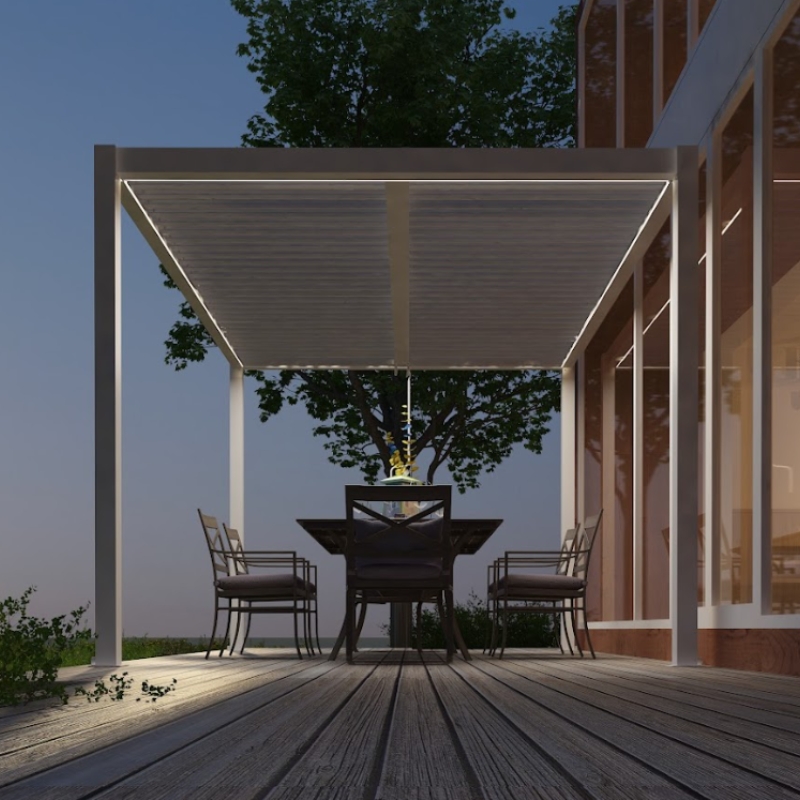
If you’re planning a pergola, “exempt development” is the outcome most homeowners hope for: build the structure without lodging a full application, as long as it fits within specific rules.
The catch is that exempt pathways are strict. A pergola can look simple, but small design choices—where it sits, how high it is, how close it is to a boundary, and whether it’s truly “open” or effectively roofed—can change whether it stays in the low-impact category.
This guide explains how exempt development works across Australia at a practical level, what typically keeps a pergola exempt, what commonly knocks it out of exemption, and how to double-check your local rules with confidence.
What “exempt development” means in plain English
In everyday terms, an exempt development pathway is a set of pre-approved conditions for low-impact works. If your pergola meets every relevant condition and none of the exclusions applies, you may not need a formal planning approval process.
That doesn’t mean “no rules”.
Even when a pergola is exempt:
• It still needs to be built safely and appropriately for your site
• You still need to consider setbacks, neighbour impacts, drainage, and wind conditions
• You may still need to follow product installation requirements and construction standards
• Extra controls can apply if your property has overlays or constraints (for example, bushfire-prone land or heritage considerations)
Because rules vary by state (and sometimes by council area, zoning, or overlay), the most reliable approach is to treat “exempt” as a checklist outcome, not a guess.
Quick way to think about it
A pergola is more likely to be exempt when it is:
• Small to moderate in size
• Lower in height
• Located behind the main building line (not visually dominant from the street)
• Set back from boundaries and does not create amenity issues
• Clearly an “open” structure (or uses permeable cover) rather than a solid roof
• Not in an area with extra constraints that remove exemptions
The 5 things that most commonly decide “exempt” vs “not exempt”
Across Australia, most exemption frameworks boil down to a similar set of decision points.
1) Location on the block
Pergolas are more likely to stay exempt when they’re:
• In the rear yard
• Not forward of the front wall/building line
• Not dominating the streetscape
Front-yard structures, corner blocks, and highly visible side-yard builds are more likely to trigger extra controls.
2) Size and height
Most exemptions draw hard lines around:
• Maximum floor area (square metres)
• Maximum overall height
• Maximum projection or span
• Sometimes: maximum length along a boundary
Even a small increase beyond a threshold can flip the pathway from exempt into a permit/approval route.
3) Setbacks from boundaries and other structures
Boundary proximity is a big one because it affects:
• Overshadowing and overlooking
• Fire separation considerations
• Drainage and water run-off
• Neighbour disputes (the real-world trigger for many compliance headaches)
As a rule of thumb, the closer you build to a fence, the more carefully you need to validate the rules that apply to your property.
4) Whether it’s truly a pergola (open) or effectively a roofed structure
This is where many DIY plans accidentally drift into “not exempt”.
Common “it might not be exempt anymore” moves include:
• Installing a solid, permanent roof
• Fully enclosing sides later (even if the initial plan was open)
• Adding gutters/downpipes that make it function like a roofed outdoor room
• Choosing materials that effectively create an enclosed space
Some states define pergolas as unroofed (or roofed only with permeable material). If your design behaves like a verandah/patio roof, you’re more likely to need approvals.
5) Site constraints and overlays
Exemptions can be removed or restricted where the land has additional controls, such as:
• Bushfire-prone areas
• Heritage listings or conservation areas
• Flood-prone areas
• Environmental constraints
• Strata/community title conditions (separate from council rules)
Even if your pergola is “small and sensible”, overlays can change the answer.
Q&A: Is an “open roof” pergola more likely to be exempt?
Yes—generally, an open pergola (or one covered with permeable material) is more likely to fit the exemption criteria than a fully roofed structure.
Why?
• Exemption systems often treat roofed structures as higher impact (more visual bulk, rainwater capture, stronger structural requirements)
• A solid roof can change how the structure is classified under local definitions
• A roofed structure can create downstream issues like stormwater connections and neighbour impacts
If you want weather protection, consider designs that keep the structure clearly “pergola-like” while still improving comfort—this is where planning the roof material and layout early matters.
If you’re collecting inspiration before locking dimensions, start with these pergola design ideas for Australian homes and pay attention to what makes the structure read as open, light, and low-impact.
How to check if your pergola is likely exempt (a homeowner’s checklist)
Use this as a pre-check before you dive into your state’s specifics.
Step 1: Confirm your property constraints
Look for:
• Heritage status or conservation overlays
• Bushfire-prone land mapping
• Flood overlays
• Easements (drainage, sewer, access)
• Strata/by-law restrictions (if applicable)
If any apply, exemptions may be limited.
Step 2: Decide the “type” of structure you’re actually building
Be honest about intent:
• Is it primarily shade (pergola)?
• Is it primarily rain protection (patio/verandah roof)?
• Will you want to enclose it later?
If you want a rainproof, enclosed-feeling outdoor room, you may be planning something that doesn’t fit typical pergola exemptions.
Step 3: Draft a simple plan with measurements
At minimum:
• Overall length and width (area)
• Overall height
• Distance to each boundary
• Distance to the dwelling and any other structures
• Location relative to the front wall/building line
You don’t need full plans to do the first check—but you do need real numbers.
Step 4: Compare to your state/council rule set
Because Australia isn’t one rulebook, find the “exempt/accepted/exempt from permit” pathway for your state and then check whether local planning controls add extra restrictions.
A helpful example of how these standards are presented is the NSW Planning Portal’s guidance for exempt development relating to balconies, decks, patios and pergolas. It’s a good reference for the kind of criteria and exclusions you should expect to see: NSW Planning Portal guidance.
Step 5: Make a “red flag” decision
If you hit any of these, pause and check more carefully:
• Very close to a boundary
• In front of the building, line / highly visible
• Solid roof intended
• Large spans or tall posts
• Property overlays (bushfire/heritage/flood)
• You’re unsure whether it’s a pergola or a roofed structure
Common “red flags” that often knock a pergola out of exempt pathways
A pergola doesn’t have to be huge to require approvals. Here are the most common stumbling blocks that show up in real projects:
• Building forward of the front wall/building line
• Building on a corner block where the “side” is also a street frontage
• Exceeding a size/height threshold by a small margin
• Placing posts right on (or very close to) the boundary
• Installing a solid roof (polycarbonate sheeting can be interpreted differently depending on the rules)
• Creating a structure that functions as a roofed outdoor room
• Being in a mapped bushfire-prone area and using materials/designs that don’t satisfy requirements
• Being on land with heritage controls, where external changes are more tightly managed
• Adding electrical work, fans, lighting, or heaters without considering compliance implications
The practical takeaway: design for exemption from the start, not as an afterthought.
Q&A: Can a pergola be exempt if it’s attached to the house?
Sometimes, but “attached” designs tend to get checked more closely.
Why attached pergolas can be trickier:
• They change load paths into the dwelling (structural considerations)
• They can behave more like an extension, visually and functionally
• They’re often paired with roof sheeting or enclosed sides later
Attached doesn’t automatically mean “not exempt”—but it’s a common point where homeowners should verify the exact criteria and keep good documentation.
Documentation to keep (even when it’s exempt)
One of the best AEO-friendly answers you can give yourself is: “If someone questioned this later, could I quickly show how it meets the exempt criteria?”
Keep a simple folder with:
• A dated sketch/site plan with measurements and setbacks
• Photos of the site before and after construction
• Product specs (posts, beams, fixings, roof material, if any)
• Installation instructions (especially for kits)
• Notes on where stormwater runs (so you can show you didn’t create run-off issues)
• Any mapping screenshots or notes about overlays you checked
This is low effort now and high value later.
The “Australia-wide” reality: terms differ, the pattern is similar
Depending on where you live, you might see a different language:
• Exempt development
• Accepted development
• Permit exemptions/building permit not required (with conditions)
• Minor works exemptions
Even when the naming differs, the pattern stays consistent:
• There’s usually a low-impact pathway
• It’s only available when strict criteria are met
• Exclusions apply when land constraints exist
So instead of memorising every state’s rules, focus on understanding the decision points (location, size/height, setbacks, roofed vs open, overlays). Then you can apply that framework to your state’s official guidance.
Designing for a high chance of exemption (without guessing)
If your goal is to stay within exempt-style rules, design choices matter more than people think.
Smart design choices that often align with “low-impact”
• Keep the structure clearly in the backyard
• Avoid pushing posts right up to fences
• Keep height modest and consistent with the home’s scale
• Use an open/permeable “pergola look” rather than a heavy-roofed structure
• Avoid fully enclosing sides
• Plan drainage so you don’t concentrate run-off onto a neighbour’s property
If you’re in the concept stage, it’s worth mapping your needs (shade, privacy, rain protection, evening use) against what tends to trigger paperwork. That’s the heart of planning a pergola build in a way that won’t surprise you later.
Q&A: If I add blinds or screens later, does that change anything?
It can.
Many pergolas start out open and later become more enclosed with:
• Zip screens
• Fixed louvres
• Polycarbonate roofing upgrades
• Side cladding
• Outdoor kitchen additions
The more the space becomes an enclosed outdoor room, the more likely it is to:
• Change how the structure is classified
• Trigger additional compliance requirements
• Create neighbour amenity impacts (especially near boundaries)
If you think you’ll want screens later, factor it in from day one. “I’ll add it later” is a common path into accidental non-compliance.
Scenario guide: What your plan might mean
“I want it near the fence to save space”
Do this first:
• Measure exact distance to the boundary
• Check whether your local criteria allow structures at that distance
• Consider how water run-off will be handled
• Consider neighbour impacts (shade lines, maintenance access)
If you’re very close to the boundary, get more certainty before building.
“I want a solid roof because I want to sit outside in the rain”
That’s a comfort goal, but it’s also a classification trigger.
Consider:
• Whether your local definition of “pergola” includes roofed structures
• Whether a roofed patio/verandah pathway applies instead
• Whether drainage and guttering change the compliance profile
Sometimes the best outcome is a design that keeps the structure light and open while strategically increasing weather protection.
“I want it in the front yard because that’s where the sun is”
Front-yard pergolas are more likely to trigger extra checks because of the streetscape impact.
Before committing:
• Confirm what “building line” means on your lot
• Check if your area has streetscape controls
• Consider alternative placements (side/rear) or smaller footprint designs
“I’m in a bushfire-prone area”
Treat this as “verify first”.
Even if the pergola seems low-impact, extra requirements may apply to:
• Materials
• Clearances
• Ember resistance considerations
• Attachment details near the dwelling
Modern pergolas and exemption: style choices that help
Modern pergola design often works in your favour—when it stays minimal, open, and visually light.
Trends that can align with low-impact outcomes:
• Slimline posts and beams (with appropriate engineering)
• Open battened tops or spaced rafters
• Lightweight, open-looking profiles that don’t read as a “new room”
• Designs that sit behind the house line and integrate with landscaping
If you want inspiration that keeps things contemporary without making the structure feel bulky, explore modern pergola styles and look for designs that maintain that airy, pergola-first feel.
FAQs
What does “exempt development” mean for a pergola?
It generally means a pergola may be built without going through a full planning approval process, provided it meets strict criteria, and none of the exclusions applies to your land (such as overlays or special controls).
Is exempt development the same in every Australian state?
No. The name and exact criteria differ by state and sometimes by local planning controls, but the core idea is similar: low-impact structures can be exempt if they meet defined standards.
Can a roofed pergola still be exempt?
Sometimes, but roofed structures are more likely to be treated as higher impact. A solid roof can change classification and trigger additional requirements, depending on your state’s definitions and your site conditions.
Do setbacks from the fence matter for exempt pathways?
Yes. Boundary setbacks are a major factor because they influence neighbour amenity, fire considerations, and how the structure is assessed. If you’re building close to a boundary, check the rules carefully.
If my pergola is exempt, do I still need engineering?
Not always, but structural adequacy still matters. Even exempt structures should be built to appropriate standards and to manufacturer specifications where relevant. For larger spans, higher structures, or complex attachments, engineering advice can still be a smart risk-reducer.
What should I keep on file if my pergola is exempt?
Keep a simple evidence pack: measurements and setbacks, a dated sketch/site plan, product specs, installation instructions, and photos before/after. This helps if questions come up later.
Do overlays like bushfire or heritage affect pergola exemptions?
They can. Overlays and special controls may restrict or remove exemptions, or impose extra requirements. Always check your property constraints before relying on an exempt pathway.