Blog

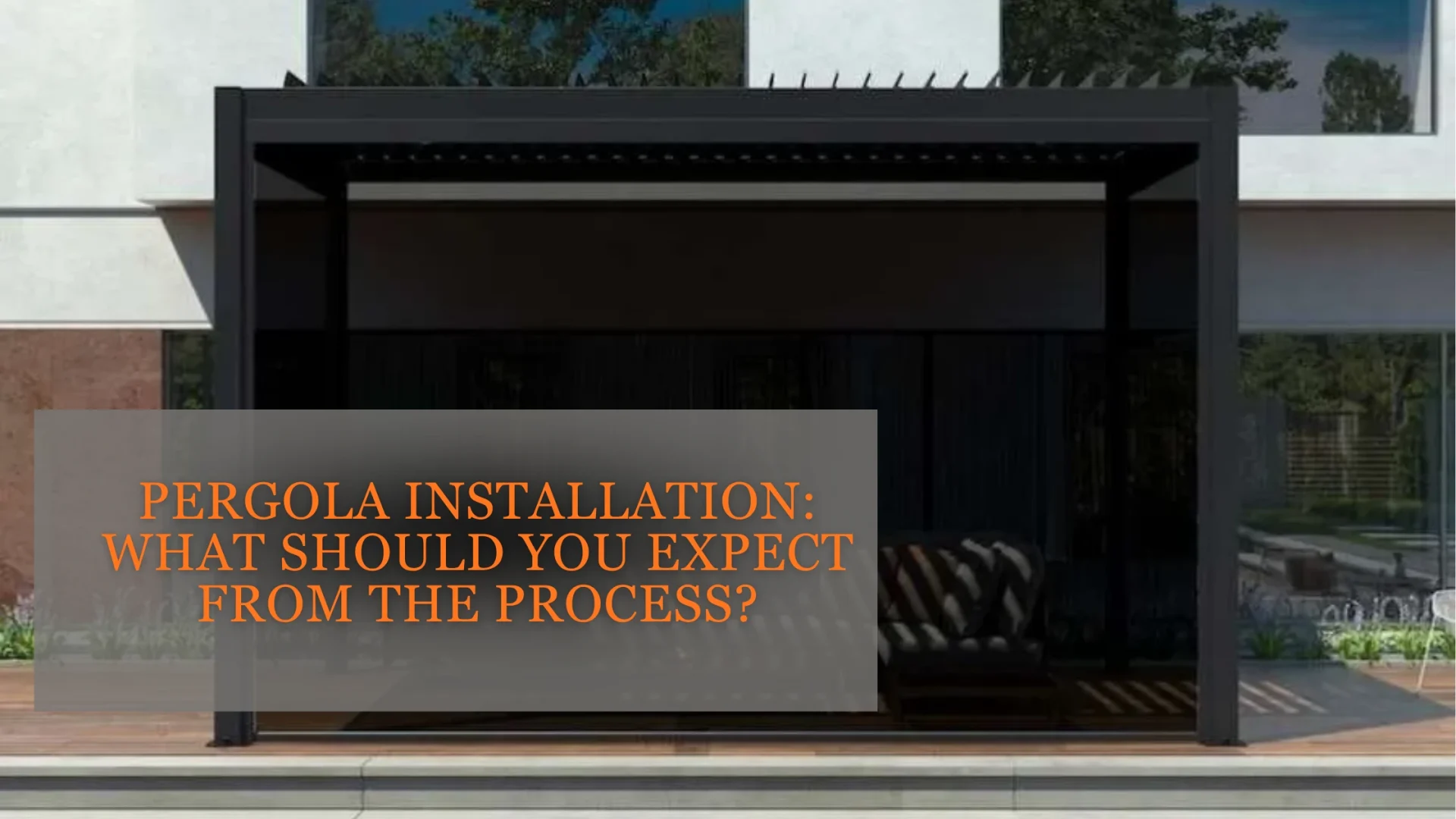
Pergola installation involves far more than assembling a structure in your backyard. It includes site preparation, precise measurements, foundation work, frame installation, roofing, and final adjustments. Each stage affects how long the finished pergola lasts, which is why professional installation is essential for more complex systems, such as an aluminium pergola.
In short, pergola installation typically covers site assessment, foundation work, frame assembly, roofing, and a final inspection. The process usually takes several days to a few weeks, depending on design complexity, site conditions, and whether council approval is required. Proper installation directly affects structural stability and long-term durability.
Getting each stage right protects your investment. A pergola that is poorly sited or inadequately anchored may develop problems within a few years, while one installed with attention to ground conditions and drainage can last for decades with minimal upkeep.
How Do You Prepare Your Property for Pergola Installation?
Proper preparation helps avoid delays, unexpected costs, and structural issues once construction begins. Installers typically start by assessing the site before any building work begins, as ground conditions and access can shape the entire project.
Preparation Checklist
- Assess the installation area
- Measure available space accurately
- Check ground conditions
- Identify underground services
- Ensure adequate drainage
- Confirm property boundaries
Thorough preparation reduces on-site time and supports the long-term stability of the finished structure. Early planning also helps homeowners avoid unexpected costs that often arise from unforeseen ground conditions or drainage issues discovered mid-project.
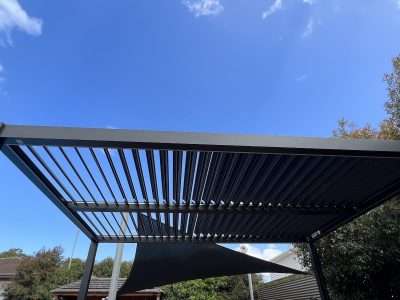
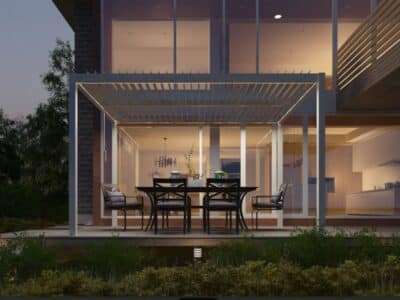
Sun direction is worth considering at this stage as well. A pergola positioned to manage afternoon sun will feel more usable year-round, particularly for homes considering a louvred pergola that allows light and airflow to be adjusted. How you intend to use the space, whether for dining, lounging, or entertaining, should also guide its final position and size.
What Factors Affect the Cost of Pergola Installation?
Costs vary based on design complexity, materials, site conditions, and optional features. A simple flat-roof structure will generally cost less than a system with moving parts or integrated technology.
Cost Factors
- Pergola size
- Aluminium or other construction materials
- Roofing style
- Manual or motorised louvre systems
- Site accessibility
- Electrical additions such as lighting or heaters
A detailed quotation helps homeowners understand exactly what is included before work begins, reducing the risk of unexpected charges later. Custom installations, including a motorised louvred Pergola, generally cost more upfront than standard kits, but the long-term value often outweighs the initial outlay.
Durable materials also affect lifetime costs. An aluminium pergola resists corrosion and requires less ongoing maintenance than timber alternatives, which can reduce repair and upkeep costs over time.
How Long Does a Professional Pergola Installation Take?
Installation timelines vary depending on project complexity, weather conditions, council approval requirements, and the amount of site preparation required. A standard aluminium pergola installation often takes a few days, while custom designs can take longer.
Typical Timeline
- Site preparation
- Foundation work
- Frame assembly
- Roof installation
- Glass or screen installation (if applicable)
- Final inspection and adjustments
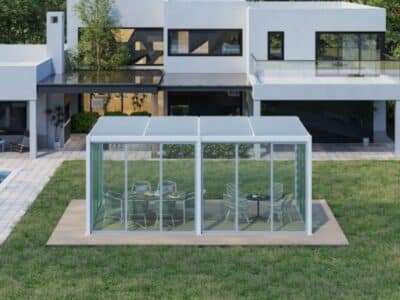
Experienced installers work to minimise disruption to your property while maintaining consistent quality throughout each stage. Custom pergolas, particularly those with glass sliding doors or additional screening, may require longer installation periods to accommodate extra components.
Weather can also affect construction schedules, especially during the foundation and roofing stages. A thorough final inspection at the end of the process helps confirm the structure will perform well over the years ahead.
What Should You Look for When Hiring a Pergola Installation Company?
Choosing the right installer is just as important as choosing the pergola itself. An experienced team brings knowledge of local conditions, compliance requirements, and building techniques that affect the finished result.
Choosing an Installer
- Proven installation experience
- Licensed and insured contractors
- Positive customer reviews
- Quality materials
- Manufacturer warranties
- Transparent quotations
Installers with a strong track record tend to deliver better compliance outcomes, more durable results, and higher-quality workmanship overall. Looking through examples of past projects, including a manual louvred pergola installation, can give homeowners a clearer sense of what to expect from a given company.
It’s worth checking out a company’s after-sales support before signing on the dotted line. That kind of warranty support can help protect your investment if issues arise once the pergola is in daily use, which is even more important for builds with moving parts, like automatic pull-up screens.
If wall space is more important than freestanding footprint, ask to see a completed wall-mounted louvred pergola too, as that style has its own fixing and structural requirements that are worth understanding before you commit.
Do You Need Council Approval Before Pergola Installation?
Approval requirements vary according to council regulations, pergola dimensions, and individual property characteristics. Some smaller, freestanding structures may not require approval, while larger or attached pergolas usually do.
Approval Considerations
- Local council regulations
- Structure dimensions
- Property zoning
- Boundary setbacks
- Engineering requirements
- Heritage or bushfire overlay restrictions
Regulations differ between Australian councils, so requirements that apply in one local government area may not apply in another. The Planning Portal (NSW Government) provides guidance on exempt and complying development for structures such as pergolas. At the same time, the Australian Building Codes Board establishes the national construction standards.
Professional installers often provide preliminary approval guidance, helping homeowners understand what documentation is required before construction begins. Checking requirements early helps prevent delays once the project is underway, and homeowners should always verify current local requirements directly with their council rather than relying on assumptions from a previous build.
Pergola Installation Process at a Glance
| Stage | What Happens | Why It Matters |
| Site preparation | Area is assessed, measured, and cleared | Prevents delays and identifies underground services early |
| Foundations | Footings or slabs are laid according to site conditions | Provides structural stability for the entire pergola |
| Frame installation | Posts and beams are positioned and secured | Determines the strength and alignment of the finished structure |
| Roofing | Louvre, fixed, or open roofing is fitted | Affects weather protection and year-round usability |
| Optional additions | Screens, glass doors, or lighting are installed | Adds functionality and comfort to the outdoor living space |
| Final inspection | Structure is checked against plans and standards | Confirms safety, compliance, and long-term performance |
Bringing It All Together
A successful pergola installation depends on careful planning, high-quality materials, skilled workmanship, and compliance with local building requirements. An aluminium pergola offers a durable, low-maintenance option that suits a wide range of Australian outdoor living spaces.
When each stage is handled properly, from initial site assessment through to final inspection, the result is a safe, attractive, and long-lasting addition to your home. If you are weighing up a fully custom build against a DIY Pergola Kits Australia option, professional installation remains the more reliable path for complex louvre or screening systems.
Explore professionally installed pergola systems designed for Australian conditions, compare manual and motorised options such as manual pull-up screen or a sliding door louvred panel, and speak with experienced pergola specialists for advice tailored to your property and an accurate quotation.
Frequently Asked Questions
What is included in a professional pergola installation?
A professional pergola installation typically includes site assessment, measurements, foundation work, frame assembly, roofing, and a final inspection. Installers also check drainage, underground services, and structural alignment throughout the process. Depending on the design, this may extend to optional additions such as screens, glass doors, or integrated lighting, all completed to meet relevant building standards and manufacturer specifications.
How long does pergola installation take?
Most standard pergola installations take a few days to complete, though timelines depend on design complexity, site conditions, and weather. Custom builds involving louvre systems, glass panels, or additional screening generally take longer. Council approval processes, when required, can also extend the overall project timeline before construction can begin on-site.
How much does pergola installation cost?
Installation costs depend on the pergola’s size, materials, roofing style, and any additional features, such as motorised louvres or electrical work. Site accessibility can also influence pricing. Custom designs generally cost more than standard kits. However, durable materials like aluminium can reduce maintenance costs over time, offsetting some of the initial investment throughout the structure’s life.
Do I need council approval for pergola installation?
This depends on your local council, the pergola’s dimensions, and your property’s zoning. Some smaller freestanding structures may be exempt, while larger or attached pergolas often require approval. Requirements vary between council areas, so it is worth checking with your local council or a planning portal before construction begins to avoid delays.
Should I choose professional pergola installation or install it myself?
Professional installation is generally recommended for complex systems, such as louvre roofing or glass panel additions, to ensure compliance and structural stability. DIY kits can suit simpler, smaller structures for confident builders. Weighing your budget, the complexity of your chosen design, and local approval requirements can help determine the right approach for your property.