Blog

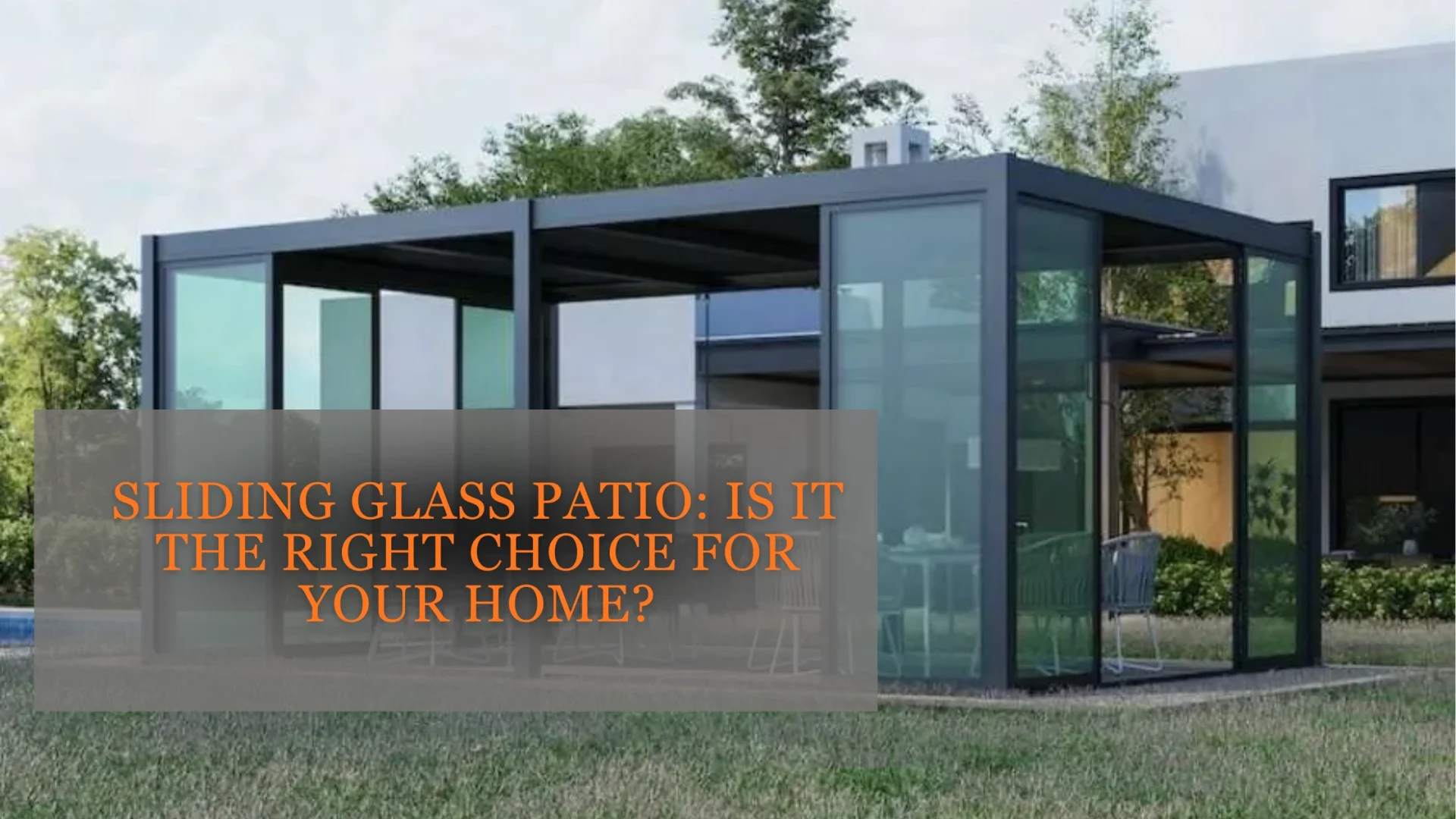
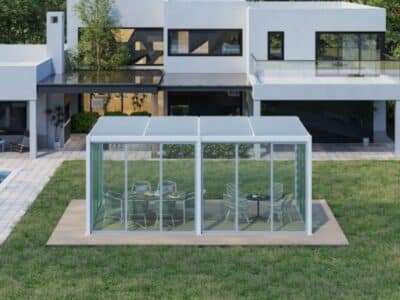
A sliding glass patio creates a seamless connection between your indoor living space and the outdoors, while still protecting you from wind, rain, and changing weather. Paired with an aluminium pergola, it improves comfort, boosts natural light, and makes your outdoor area usable all year round.
Sliding glass patios are becoming increasingly popular across Australian homes. They let homeowners open up living areas without losing shelter, and choosing quality glazing and framing makes all the difference to how well the system performs over time.
How Do You Choose the Right Sliding Glass Patio for Your Home?
The right sliding glass patio depends on your home’s layout, how you use your outdoor space, and how much weather protection you need. Getting these factors right from the start saves money and frustration later.
Before choosing a system, consider:
- Patio size and available space
- Aluminium frame quality
- Glass type and thickness
- Number of sliding panels
- Ease of operation
- Budget and installation requirements
A professionally measured system operates more smoothly and lasts longer than an off-the-shelf fit. It also pays to think ahead. If you’re planning an outdoor kitchen or a louvred pergola down the track, factor this into your current design. A sliding glass patio that matches your home’s existing architecture will always look and function better than one chosen in isolation.
What Types of Sliding Glass Patio Doors Are Available?
Homeowners can choose from several sliding glass systems, and the best option depends on their outdoor living goals and the space available.
Common options include:
- Frameless sliding glass panels
- Semi-frameless systems
- Fully framed aluminium sliding doors
- Multi-panel stacking systems
- Corner-opening configurations
- Custom-designed patio enclosures
Frameless systems suit modern homes that want uninterrupted views and maximum natural light, as there’s little visual clutter to distract from the outlook. Semi-frameless and fully framed aluminium options offer more structural strength and suit larger openings or exposed sites. Multi-panel stacking systems are ideal where you want a wide opening that disappears completely when not in use, creating one uninterrupted indoor-outdoor space. For homes already fitted with pergola glass sliding doors, matching finishes and frame profiles help the whole outdoor area feel considered rather than patched together.
How Does a Sliding Glass Patio Improve Indoor and Outdoor Living?
A sliding glass patio blurs the boundary between your indoor and outdoor spaces, so you get more use out of your home year-round.
The main lifestyle benefits include:
- Increased natural light
- Seamless indoor-outdoor flow
- Better weather protection
- Enhanced outdoor entertaining
- Reduced wind exposure
- Improved property appeal
These benefits add up to outdoor areas you’ll actually use, rather than spaces that sit empty when the weather turns. A flexible entertaining zone that adapts to hot summers and cool evenings means fewer excuses to stay indoors, especially once you add a louvred pergola overhead to soften the midday sun.
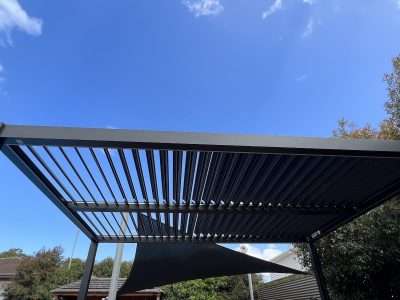
Sliding glass systems also strengthen the visual connection between your living areas and garden or landscaping, making the whole property feel larger and more open. Homeowners who want finer control over shade and airflow often pair their patio with a motorised louvred Pergola, adjusting the roof at the touch of a button as the weather shifts throughout the day.
What Should You Consider Before Installing a Sliding Glass Patio?
Careful planning before installation helps your sliding glass patio perform well and last for years, rather than becoming a source of ongoing problems.
Key installation factors include:
- Local council requirements
- Existing pergola or patio structure
- Drainage considerations
- Wind exposure
- Professional installation
- Warranty and manufacturer support
Structural integrity matters just as much as appearance. A patio system fitted to a weak or poorly prepared structure won’t operate smoothly, no matter how good the hardware is. Accurate installation directly affects how well the panels glide and how long the system lasts, and corrosion-resistant aluminium frames are essential given Australia’s coastal humidity and harsh UV exposure. Quality hardware, from rollers to locking mechanisms, also plays a big part in long-term reliability. Many homeowners round out their setup with manual pull-up screen for a simple, budget-friendly way to manage insects and privacy without limiting airflow.
For patios used daily, especially for entertaining, automatic pull-up screens are worth the extra spend. Retracting at the push of a button, they save you from fiddling with screens every time you want to open up the space.
Sun glare and overlooked neighbours are common concerns once a sliding glass patio is in place. Sliding door louvred panel address both, offering adjustable coverage that works alongside the glass rather than replacing it, so you can dial privacy and light up or down as needed.
Is a Sliding Glass Patio Worth the Investment for Your Property?
A sliding glass patio comes with an upfront cost, but it typically delivers long-term lifestyle and property value benefits that outweigh the initial investment.
The main investment benefits include:
- Greater year-round outdoor usability
- Modern architectural appearance
- Increased natural light
- Improved weather protection
- Enhanced property value
- Low ongoing maintenance
For most Australian homeowners, the lifestyle gains from having a genuinely usable outdoor space, in any season, outweigh the cost of installation. Outdoor living upgrades also remain highly sought after by buyers, which supports property value over time.
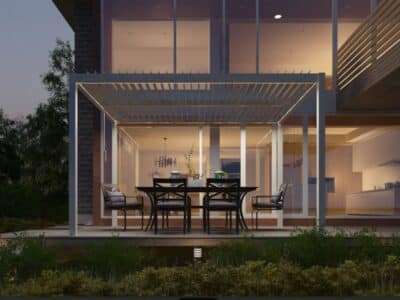
Combining a sliding glass patio with an aluminium pergola creates a versatile zone that extends your home rather than serving as a separate outdoor add-on. A wall-mounted louvred pergola is a popular choice here, since it ties into the existing structure without needing extra posts or footings.
For homes with a freestanding patio area, a manual louvred pergola offers the same adjustable shade and airflow at a lower cost, making it a practical option for homeowners easing into a staged outdoor upgrade.
Sliding Glass Patio at a Glance
| Feature | Sliding Glass Patio |
| Weather Protection | Shields against wind, rain, and temperature changes while keeping the outlook open |
| Natural Light | Maximises light with large glass panels and minimal frame obstruction |
| Maintenance | Low upkeep with occasional track cleaning and hardware checks |
| Outdoor Usability | Enables year-round use regardless of weather conditions |
| Property Appeal | Adds a modern, high-value feature that attracts buyers |
Bringing It All Together
A sliding glass patio is an excellent way to create a seamless indoor-outdoor living experience while improving comfort, weather protection, and natural light. Quality materials and professional installation are essential, as is choosing a design that complements your home’s existing architecture.
Getting compliance right protects that investment too. The Australian Building Codes Board publishes guidance on frame height, glazing standards, and drainage requirements, and it’s worth checking before work begins so your final design meets local rules from the outset.
Pairing a sliding glass patio with an aluminium pergola creates a stylish, durable, and highly functional outdoor space that delivers long-term value. Sound-glazing choices also support energy efficiency, an area covered in detail in the Australian Government’s Your Home guide to passive design and glazing.
Ready to upgrade your outdoor living area?
Explore premium sliding glass patio systems and compare frameless and aluminium-framed options to find the right fit. Speak with outdoor living specialists about a customised patio enclosure solution, and visit DIY Pergola Kits Australia to explore complementary outdoor living products.
Frequently Asked Questions
What is a sliding glass patio?
A sliding glass patio is an outdoor enclosure system featuring large glass panels that slide along a track, allowing you to open or close your outdoor living area on demand. It creates a seamless connection between indoor and outdoor spaces while offering protection from wind, rain, and temperature changes. Homeowners often pair it with an aluminium pergola for added shade and structural support.
What are the benefits of sliding glass patio doors?
Sliding glass patio doors increase natural light, create a smooth transition between indoor and outdoor areas, and protect against wind and rain without blocking views. They support outdoor entertaining year-round and can boost a property’s visual appeal. Many systems require minimal maintenance and pair well with pergolas, screens, or louvred panels for added flexibility.
Are sliding glass patio doors energy efficient?
Yes, when fitted with high-quality glazing. Double glazing and low-emissivity glass reduce heat transfer, helping maintain comfortable indoor temperatures and lowering energy costs. The Australian Government’s Your Home guide highlights glazing as a key factor in passive design and energy performance. Choosing well-sealed aluminium frames further improves thermal efficiency and reduces draughts.
How much maintenance do sliding glass patio doors require?
Upkeep for sliding glass patio doors is minimal compared to other outdoor systems. A quick wipe-down of the glass and a clear track, done every few weeks, keeps panels gliding smoothly and stops grit from building up. It’s also worth checking rollers, seals, and locking hardware regularly to catch minor wear early. Quality aluminium frames add a layer of corrosion resistance, so long-term upkeep stays light.
How long do sliding glass patio doors typically last?
With quality materials and proper installation, sliding glass patio doors can last well over 20 years. Lifespan depends on the frame material, glass quality, and the system’s exposure to coastal air, UV, and moisture. Regular maintenance, including cleaning tracks and checking hardware, helps the system continue operating smoothly for its full service life.