Blog

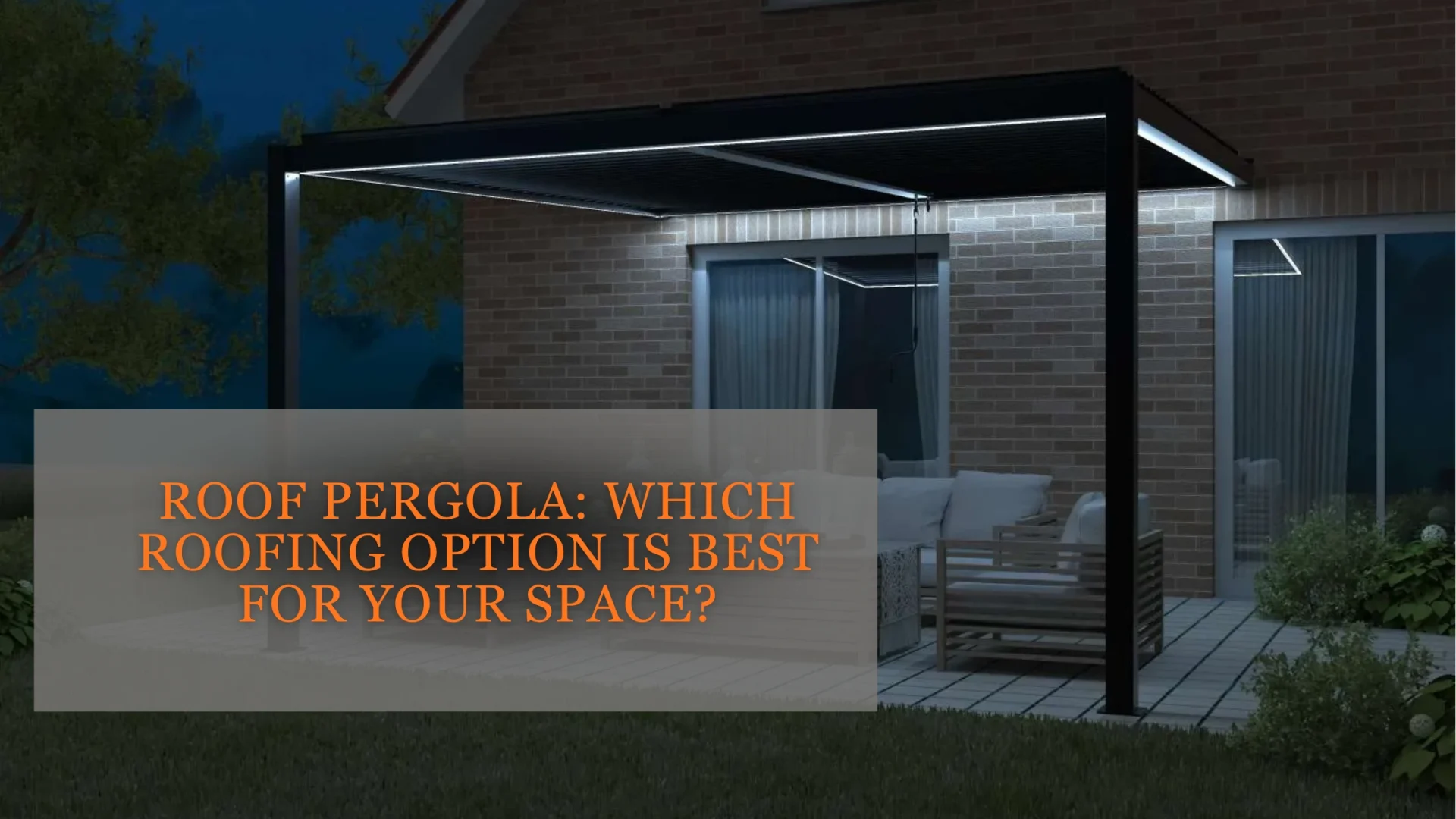
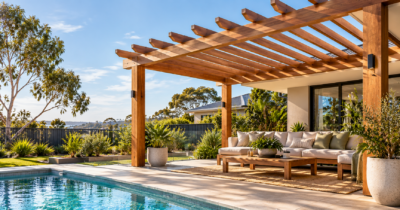
A roof pergola transforms an outdoor area into a comfortable, sheltered space that offers shade, rain protection, and year-round usability. Choosing the right roofing option affects comfort, durability, and long-term performance. As Australian homeowners embrace outdoor living, an aluminium pergola has become a preferred, low-maintenance choice for lasting results.
Whether you’re starting from scratch or upgrading an existing space, browsing DIY Pergola Kits Australia is a good first step to understand the range of roofing systems, sizes, and finishes available before committing to a design.
How Do You Choose the Right Roof Pergola for Your Outdoor Area?
Selecting the right roof pergola depends on your property layout, intended use, local climate, and personal design preferences. Getting these factors right from the start helps avoid costly changes later and ensures the structure suits how you actually live outdoors.
Before deciding on a design, consider these key selection factors:
- Size of the outdoor area
- Attached or freestanding design
- Amount of shade required
- Rain protection needs
- Manual or motorised roof operation
- Overall architectural style
Combining the right features improves both functionality and appearance, turning a basic structure into a genuine extension of the home. Sun orientation plays a major role in performance too, since a north-facing pergola may need more shade coverage than a south-facing one. Homeowners who balance visual appeal with practical benefits, such as airflow and drainage, tend to get the most value from their investment over time.
What Materials Are Commonly Used for a Roof Pergola?
Roofing materials influence durability, maintenance requirements, appearance, and weather resistance. The material you choose will shape how the pergola performs in Australian conditions for years to come.
Popular roofing materials include:
- Aluminium louvres
- Polycarbonate roofing
- Colorbond® steel roofing
- Insulated roof panels
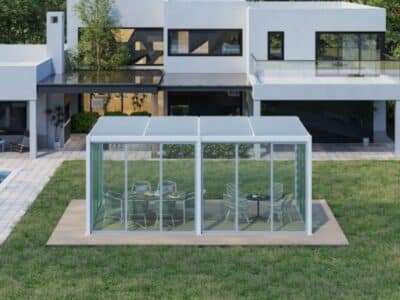
- Glass roofing
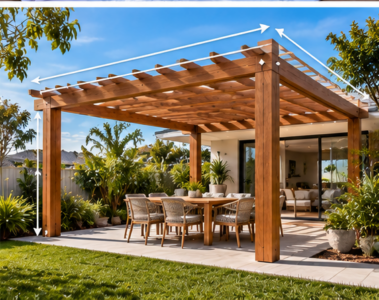
- Timber with roofing sheets
Each material brings its own trade-offs. Aluminium louvres offer adjustable shade and excellent corrosion resistance, while polycarbonate roofing is lightweight and lets natural light through. Colorbond® steel provides strong weather protection and a clean, modern look, and insulated panels help regulate temperature in homes exposed to extreme heat or cold. Glass roofing offers an open, light-filled feel, though it requires more frequent cleaning. Timber with roofing sheets delivers a natural aesthetic but generally needs more upkeep than metal or aluminium options.
Aluminium has become one of Australia’s most popular pergola materials because it resists rust, performs well in coastal and inland climates, and requires very little ongoing maintenance. It also holds up well against the harsh UV exposure common across most Australian regions, which helps prevent the fading and warping that timber and some plastics can experience over time.
Different materials suit different outdoor lifestyles, so a family that entertains often might prioritise durability and shade control, while others may value natural light and a lighter visual footprint. Homeowners in coastal areas often lean towards aluminium or Colorbond® steel for their corrosion resistance, while those in cooler climates may favour insulated panels to retain warmth during winter months.
| Material | Durability | Maintenance | Weather Protection | Best For |
| Aluminium louvres | Very high | Low | Excellent, adjustable | Year-round use and coastal areas |
| Polycarbonate roofing | Moderate | Low | Good, UV-resistant | Budget-conscious homeowners |
| Colorbond® steel | High | Low | Excellent | Full weather protection |
| Insulated roof panels | High | Low to moderate | Excellent, thermal | Extreme heat or cold climates |
| Glass roofing | Moderate | High | Good | Light-filled, open designs |
| Timber with roofing sheets | Moderate | High | Good | Natural, traditional aesthetics |
How Does a Roof Pergola Improve Comfort and Weather Protection?
A roof pergola creates a more usable outdoor living space by protecting occupants from changing weather conditions, whether that means harsh sun, sudden rain, or strong wind.
The main comfort benefits include:
- Provides year-round shade
- Protects against rain
- Improves airflow and ventilation
- Reduces heat exposure
- Expands outdoor entertaining space
- Increases overall property appeal
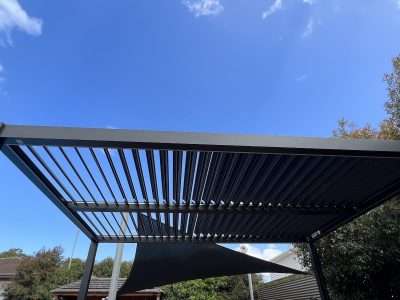
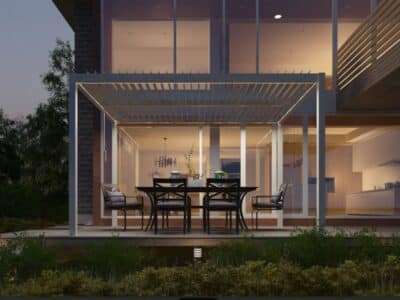
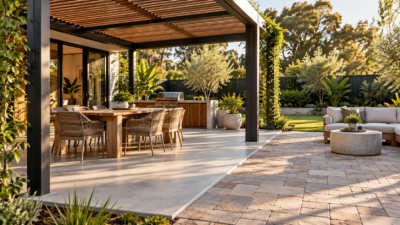
Adjustable louvre systems, such as a louvred pergola, help regulate sunlight and airflow by opening or closing the roof to suit the weather and time of day. This flexibility supports seamless indoor-outdoor living, allowing the space to function as a shaded retreat in summer and a sheltered spot in wetter months.
Pairing a roof pergola with accessories such as automatic pull-up screens adds an extra layer of protection from wind, insects, and low-angle sun, without blocking the view when they’re not needed. Improved comfort tends to encourage more frequent outdoor use, turning an underused backyard into a space the whole household actually enjoys throughout the seasons.
What Should You Consider Before Installing a Roof Pergola?
Proper planning helps ensure compliance, functionality, and long-term satisfaction with your roof pergola.
Before installation, work through this planning checklist:
- Budget
- Site conditions
- Roof style
- Drainage
- Council approval requirements
- Future accessories such as screens, lighting, or glass doors
Planning for future upgrades, such as manual pull-up screen or pergola glass sliding doors, can increase the structure’s long-term value and flexibility without requiring a full rebuild later. Integrating the pergola with your home’s existing design, including roofline and exterior colours, creates a cohesive look rather than an obvious add-on. Professional installation also improves structural performance and longevity, particularly for motorised systems like a motorised louvred Pergola, which rely on proper wiring and alignment.
Council approval requirements vary depending on the structure’s size, height, and location, so it’s worth checking local rules before finalising a design. The Australian Government’s business resource hub provides general guidance on approvals and compliance for home improvement projects, and the NSW Planning Portal offers state-specific information for homeowners in New South Wales.
For homeowners who prefer a simpler setup without electrical wiring, a manual louvred pergola offers many of the same shade and ventilation benefits as a motorised system, typically at a lower upfront cost. Whichever option you choose, engaging a qualified installer helps ensure the structure meets local building requirements and performs reliably for years to come.
Is a Roof Pergola a Worthwhile Investment for Your Home?
While installation requires an upfront investment, a quality roof pergola delivers long-term lifestyle and property benefits that generally outweigh the initial cost.
Key investment benefits include:
- Greater outdoor living space
- Improved weather protection
- Increased property value
- Low ongoing maintenance
- Enhanced visual appeal
- Long service life
Premium materials such as aluminium reduce maintenance costs over the life of the structure, since they resist rust, fading, and warping better than lower-grade alternatives. Professional installation minimises the risk of future repairs by ensuring correct drainage, secure fixings, and proper alignment from day one. For most homeowners, the lifestyle improvements, such as more usable outdoor space and better weather protection, outweigh the initial cost. A well-designed pergola becomes a functional extension of the home rather than a separate structure, adding both everyday enjoyment and resale appeal.
Conclusion
Choosing the right roof pergola comes down to weighing roofing materials, weather protection needs, design preferences, and maintenance requirements. An aluminium pergola stands out as a durable, low-maintenance option suited to Australian conditions, and thoughtful planning, combined with professional installation, helps ensure the structure performs well for years to come. The right roof pergola creates a comfortable, attractive outdoor space that can be enjoyed year-round.
If you’re ready to explore your options, browse roof pergola designs suited to Australian outdoor living, compare manual and motorised roofing systems such as the Wall Mounted Louvred Pergola, or sliding door louvred panel, and speak with pergola specialists for tailored recommendations and installation quotations.
Frequently Asked Questions
What is a roof pergola?
A roof pergola is an outdoor structure with a solid or adjustable roof, designed to provide shade and weather protection over a patio, deck, or entertaining area. Unlike a traditional open-slat pergola, it offers greater rain protection and year-round usability. Roofing options range from aluminium louvres to insulated panels, allowing homeowners to choose a level of coverage that suits their climate and lifestyle needs.
Which roofing material is best for a roof pergola?
Aluminium louvres are widely considered one of the best options for Australian homes due to their durability, low maintenance, and adjustable shade control. Colorbond® steel and insulated panels also provide effective full-weather protection. The best choice depends on your budget, climate, and whether you prioritise natural light, insulation, or long-term durability.
Can a roof pergola protect from rain and sun?
Yes, a roof pergola with a solid or louvred roof provides effective protection from both rain and sun. Adjustable louvre systems allow homeowners to open the roof for airflow and natural light or close it fully during wet weather. This flexibility makes roof pergolas suitable for year-round outdoor living across most Australian climates.
Do I need council approval to build a roof pergola?
Council approval requirements depend on factors such as the pergola’s size, height, and proximity to boundaries, and they vary between states and local councils. Some smaller structures may fall under exempt development rules, while larger or attached pergolas often require formal approval. It’s best to check with your local council or a relevant state planning authority before installation begins.
How much does a roof pergola cost?
The cost of a roof pergola varies depending on size, material, and whether the roof is manual or motorised. Aluminium louvred systems typically cost more upfront than basic polycarbonate roofing, but offer greater durability and lower long-term maintenance costs. Getting quotes from a few installers is the best way to understand pricing for your specific project and location.