Blog

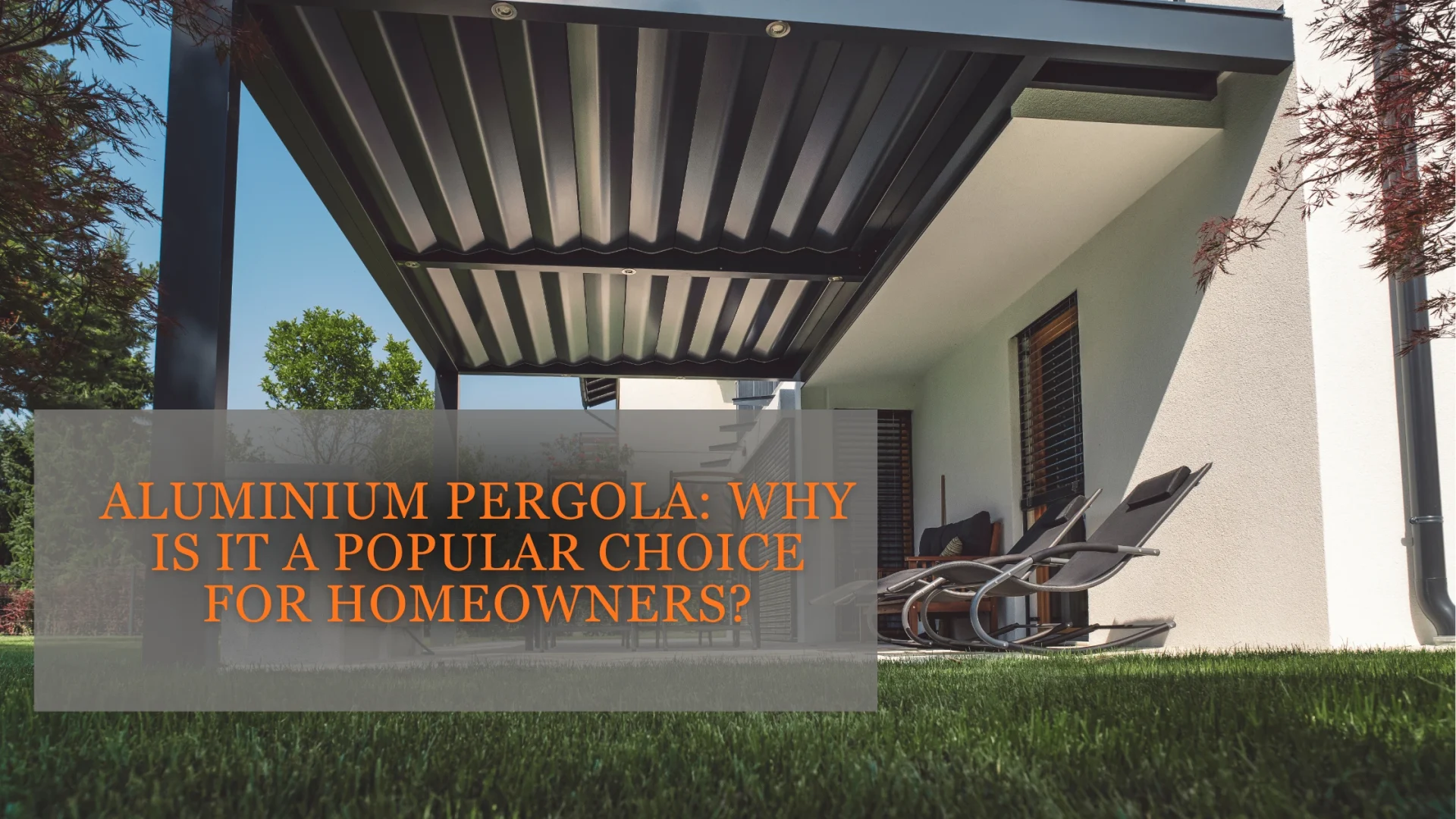
An aluminium pergola is a popular choice because it combines long-term durability with a low-maintenance finish that withstands Australia’s harsh sun, coastal salt air, and heavy seasonal rain. Homeowners choose aluminium over timber for its resistance to rot, pests, and warping, as well as its sleek, modern look that suits contemporary outdoor living. A well-designed pergola also extends the usable months of any backyard, turning an exposed patio into a comfortable space for entertaining, relaxing, or dining outdoors.
Quick answer: An aluminium pergola is a structure made from powder-coated aluminium framing, offering excellent weather resistance, minimal upkeep, and design flexibility, including fixed, louvre, or motorised roof options, making it one of the most practical outdoor living investments for Australian homes.
Why Is an Aluminium Pergola Better Than Timber for Some Homes?
Aluminium outperforms timber in most Australian climates because it does not absorb moisture or expand and contract with temperature swings. This makes it a more stable, longer-lasting choice for homeowners who want an outdoor structure that keeps its shape and finish for decades.
- Won’t rot, warp, or crack
- Resistant to termites and pests
- Requires very little maintenance
- Excellent corrosion resistance
- Modern appearance with a long lifespan
These qualities matter in Australia, where humid coastal air, intense UV exposure, and sudden storms can quickly wear down untreated timber. Aluminium’s powder-coated surface resists fading and flaking, so the structure keeps its appearance without repainting or resealing every few years.
Over a 15 to 20-year period, timber pergolas typically demand repeated staining, sealing, and pest treatments, while an aluminium pergola needs only occasional washing. Coastal homeowners in particular favour aluminium because salt-laden air accelerates timber decay and corrodes lesser metals, whereas quality powder-coated aluminium is built to withstand these conditions.
How Do You Choose the Right Aluminium Pergola for Your Outdoor Space?
The right pergola depends on how the space will be used, how much sun and wind it receives, and whether it needs to attach to the home or stand alone. Getting these details right before installation avoids costly changes later.
- Size of the entertaining area
- Fixed vs adjustable roof
- Freestanding vs attached design
- Sun and wind exposure
- Integration with existing landscaping
A pergola that’s too small will feel cramped once furniture is added, while one that’s oversized can overwhelm the yard. Matching the footprint to your outdoor furniture layout, including dining settings, lounges, and walkways, helps the space feel balanced and functional rather than an afterthought.
For homes with limited ground space or a narrower courtyard, a wall-mounted louvred pergola can be a practical alternative to a freestanding structure, attaching directly to the house while still delivering adjustable shade.
It’s also worth planning. If an outdoor kitchen, BBQ zone, or additional entertaining area is likely in future, choosing a slightly larger structure or one with an automatic pull-up screens option now can save on retrofitting costs down the track.
What Features Should You Look for in an Aluminium Pergola?
The best aluminium pergolas combine a durable finish with functional extras that enhance comfort year-round. Focusing on these features ensures the structure performs well in sun, wind, and rain.
- Powder-coated aluminium finish
- Motorised or manual louvre roof
- Integrated drainage system
- LED lighting options
- Compatibility with screens and sliding glass panels
Premium powder coating matters because Australia’s UV levels are among the highest in the world, and a lower-quality finish can chalk or fade within a few years. Integrated weather-protection systems, such as drainage channels built into the frame, stop water pooling on the roof and direct it away from entertaining areas during heavy rain.
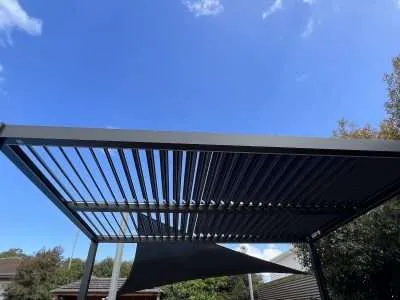
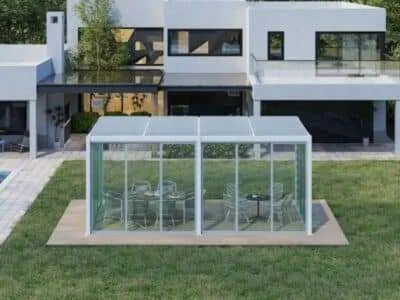
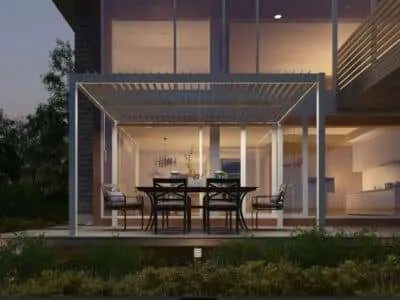
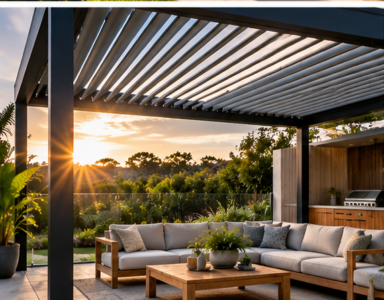
Homeowners increasingly pair their manual or motorised louvred Pergola with screening options such as manual pull-up screen, sliding door louvred panel, or pergola glass sliding doors, creating a semi-enclosed space that can be opened in summer and closed against wind or rain in cooler months.
Comparison of Aluminium Pergola Features
| Feature | Benefit |
| Powder Coating | Resists fading, chalking, and corrosion in harsh UV and coastal conditions |
| Louvre Roof | Adjustable airflow and light control for year-round comfort |
| Drainage System | Channels rainwater away, keeping the space dry and usable |
| LED Lighting | Extends usability into the evening for entertaining |
| Screens & Glass Panels | Adds wind, insect, and weather protection without losing openness |
How Do You Maintain an Aluminium Pergola for Long-Lasting Performance?
Maintaining an aluminium pergola is straightforward compared to a timber pergola, since aluminium doesn’t require sealing, staining, or pest treatments. A simple routine keeps the structure looking new for years.
- Wash with mild soap and water.
- Remove debris from gutters and louvres.
- Inspect moving components
- Check fixings periodically
- Avoid abrasive cleaning products
A quick seasonal check, clearing leaves before autumn storms, testing louvre motors before summer, and inspecting fixings after strong winds, helps catch small issues before they become costly repairs. Preventative maintenance of this kind preserves both the structure’s function and its appearance, protecting the investment over the long term.
Is an Aluminium Pergola Worth the Investment for Your Property?
Yes, an aluminium pergola is generally a worthwhile investment because it delivers a longer lifespan, lower running costs, and greater everyday enjoyment of outdoor space compared to timber alternatives.
- Longer lifespan
- Lower maintenance costs
- Improved outdoor living
- Enhanced property appeal
- Excellent durability in Australian climates
When comparing total ownership costs, timber pergolas often incur ongoing expenses for sealing, staining, and repairs that aluminium pergolas don’t. Over a decade, this difference can be significant, making aluminium the more cost-effective option, even when upfront pricing is similar in some cases.
Beyond cost savings, a well-designed pergola adds genuine lifestyle value. It creates a shaded, comfortable area for entertaining guests, relaxing after work, or enjoying meals outdoors year-round. Many real estate agents also note that high-quality outdoor living additions, such as pergolas, can enhance a property’s street appeal and overall resale value.
Aluminium Pergola vs Timber Pergola
| Factor | Aluminium Pergola | Timber Pergola |
| Lifespan | 25+ years with proper care | 10 to 15 years, shorter in harsh climates |
| Maintenance | Occasional washing only | Regular sealing, staining, and pest checks |
| Weather Resistance | Excellent, resists rain, humidity, and UV | Prone to warping, cracking, and fading |
| Pest Resistance | Immune to termites and borers | Vulnerable without ongoing treatment |
| Appearance | Sleek, consistent modern finish | Natural look but fades and greys over time |
| Long-Term Costs | Lower over time | Higher due to upkeep and repairs |
In short, timber offers a traditional aesthetic that some homeowners prefer. Still, aluminium wins out on performance, longevity, and total cost when weighed over the life of the structure, particularly in exposed or coastal Australian settings.
Planning and Compliance Considerations
Before installing any pergola, it’s worth checking local council requirements, as some structures may need approval depending on size, location, and attachment to the home. The Australian Building Codes Board provides guidance on structural standards for outdoor additions. At the same time, YourHome, the Australian Government’s sustainable housing resource, offers practical advice on designing outdoor spaces that respond well to local climate conditions. Checking these resources early helps avoid delays and ensures the finished structure meets both safety and design expectations.
Conclusion
An aluminium pergola stands out for Australian homeowners because it offers a rare combination of durability, weather resistance, low maintenance, and a modern finish that suits a wide range of home styles. Choosing the right design, from a simple pergola with roof to a fully motorised louvre system, makes a real difference to how much use a family gets from their outdoor space. Investing in quality materials and professional installation pays off through decades of reliable performance. For homeowners exploring their options, DIY Pergola Kits Australia offers a practical starting point for comparing styles and features suited to the Australian climate.
Ready to Upgrade Your Outdoor Living Space?
Explore premium aluminium pergola designs built for Australian conditions, compare manual and motorised louvre pergola options, and speak with outdoor living specialists about the right fit for your home. Request a quote or design consultation today to start planning a space you’ll enjoy year-round.
Frequently Asked Questions
What is an aluminium pergola?
Homeowners use the term to describe a patio cover or entertaining area roof framed entirely in powder-coated aluminium rather than wood. The material choice means the frame won’t rust, rot, or attract termites the way a timber-built frame can. Aluminium pergolas come in fixed, adjustable louvre, or fully motorised roof styles, giving homeowners flexibility over airflow, light, and weather protection depending on their outdoor living needs.
How long does an aluminium pergola last?
A quality aluminium pergola typically lasts 25 years or more with minimal upkeep. Its powder-coated finish resists corrosion, fading, and cracking, even in harsh Australian conditions, including coastal salt air and intense UV exposure. Regular cleaning and periodic checks of fixings and moving parts help maintain performance and appearance throughout the structure’s long service life.
Is an aluminium pergola better than a wooden pergola?
For most Australian conditions, yes. Aluminium resists rot, termites, and warping, while timber requires ongoing sealing, staining, and pest treatment to avoid deterioration. Aluminium also holds its appearance longer without repainting. Timber may suit homeowners wanting a natural, traditional look, but aluminium generally offers better long-term durability and lower total maintenance costs.
Does an aluminium pergola require much maintenance?
Not really, and that’s one of the main draws for busy households. A wipe-down with mild soap and water a few times a year is usually enough to keep the structure performing well. Homeowners can skip staining, sealing, and pest-proofing, which makes aluminium a convenient long-term choice.
Can an aluminium pergola withstand harsh Australian weather?
Yes, aluminium pergolas are well-suited to Australia’s harsh weather, including intense UV exposure, coastal humidity, heavy rain, and strong winds. Powder-coated finishes resist corrosion and fading, while integrated drainage systems effectively manage rainfall. This weather resilience is a key reason aluminium has become a preferred material for outdoor structures across Australia’s hot, wet, and coastal regions.