Blog

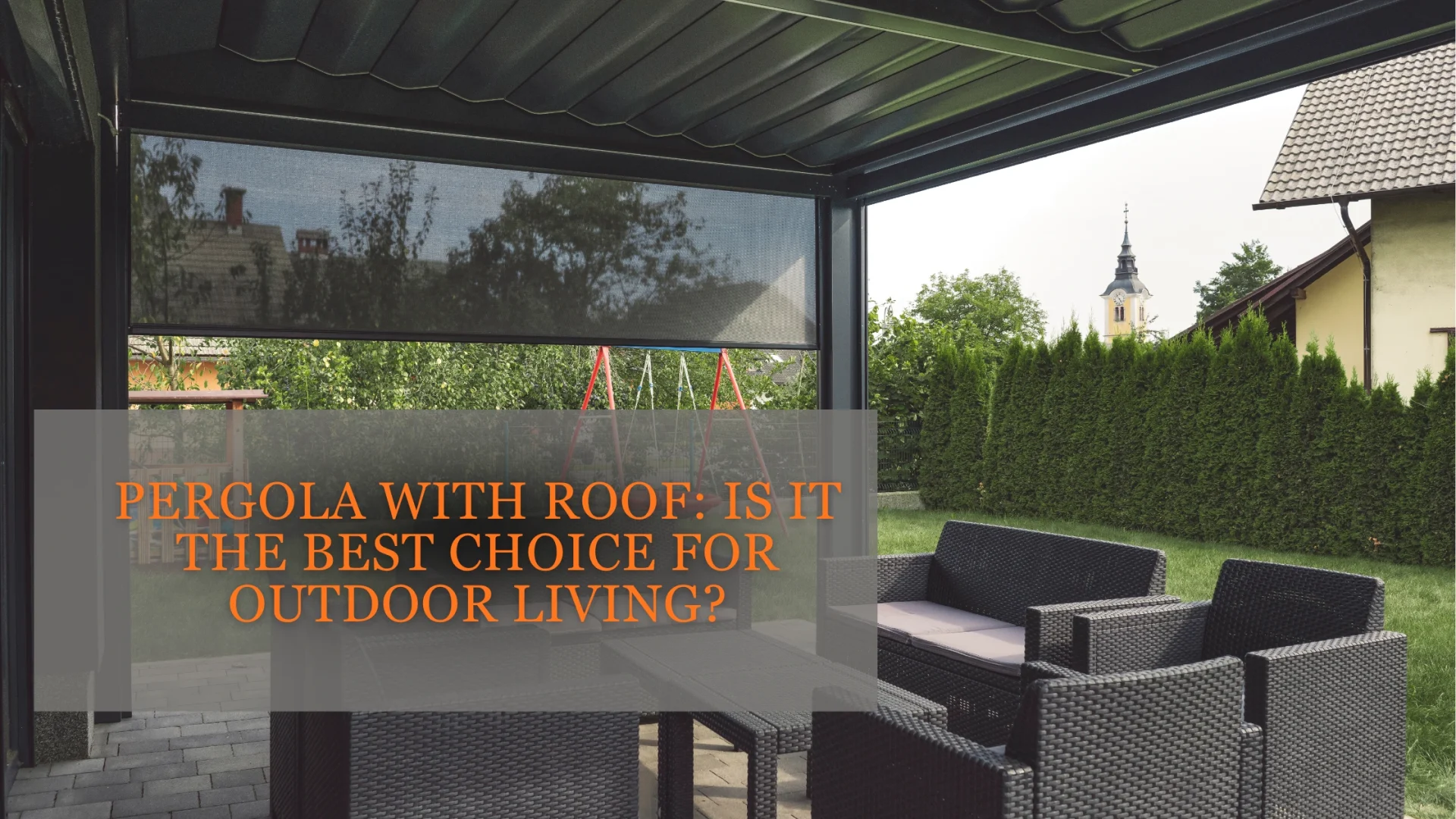
Yes, a pergola with a roof is one of the best choices for outdoor living if you want shade, weather protection, and a space you can use year-round. Covered outdoor areas have become increasingly popular in Australian homes in recent years, and it’s easy to see why. A roofed pergola extends the usable life of a patio or garden well beyond the handful of mild months most open structures rely on. The trick is picking the right roofing style and material for your climate and the way you actually use your backyard.
Which Pergola with Roof Design Is Best for Your Outdoor Space?
The best design depends on your lifestyle, the amount of outdoor space you have, your local climate, and the architectural style of your home. A pergola that suits a coastal Queenslander won’t always suit a compact Sydney courtyard, so it pays to match the structure to the site rather than the other way around.
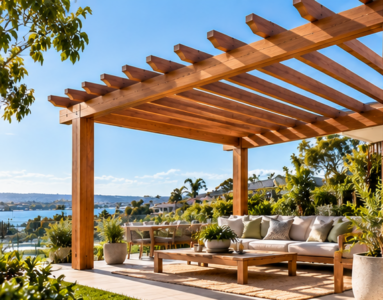
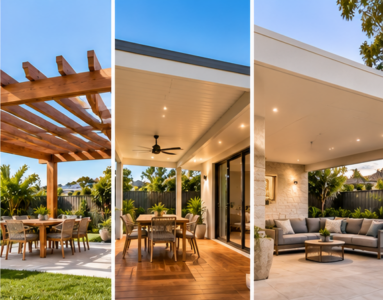
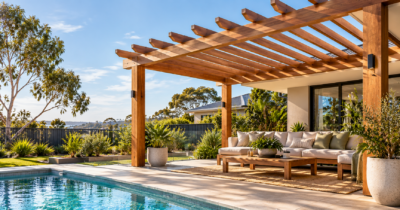
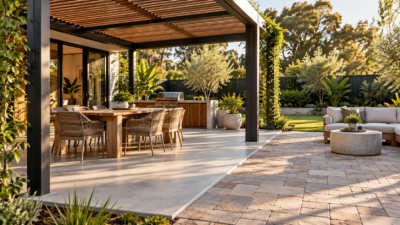
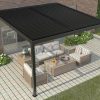
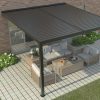
- Fixed Roof Pergolas: These offer constant shade and weather protection with no moving parts to maintain. They suit homeowners who want a set-and-forget solution and are ideal over dining areas or outdoor kitchens that need reliable cover.
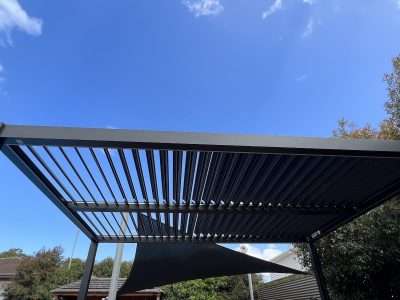
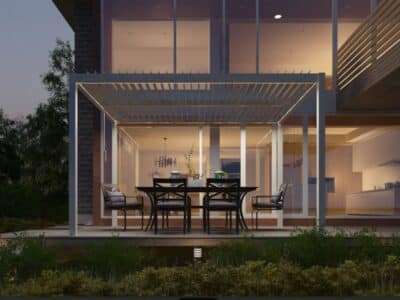
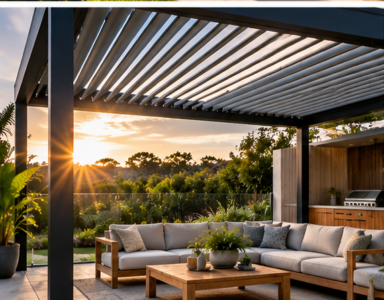
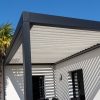
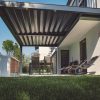
- Louvered Pergolas: The roof panels tilt open or closed, so you can let in the sun on a mild afternoon and seal the space against rain within seconds. This adjustable roof functionality gives the most seasonal flexibility of any pergola style.
- Gable Roof Pergolas: With a peaked roofline, these add extra height, improve airflow, and give a striking, almost architectural silhouette that suits larger entertaining areas.
- Flat Roof Pergolas: A clean, low-profile design that suits contemporary homes and works well where you want the pergola to blend into modern architecture rather than stand out from it.
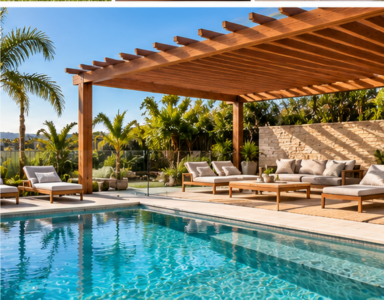
- Freestanding Pergolas: Not attached to the house, these can be positioned anywhere in the garden, which is handy for creating a standalone outdoor zone away from the main living areas.
- Attached Pergolas: Built against an existing wall or eave, these integrate seamlessly with the home and often make the most sense as a direct extension of an existing patio.
Picking the right pergola style for your home is just as important as choosing the roof itself. A gable roof can look fantastic on a traditional weatherboard home. A classic wooden pergola with a gable or timber-slat roof often suits these properties best, while a flat-roof pergola tends to suit brick-veneer or contemporary builds better. If your weather jumps from blazing hot to sudden storms, like in many parts of Australia, a louvre pergola with an adjustable roof is a smart choice. You get more control, so you’re not stuck with the same amount of shade or shelter all year. When it comes to adjusting the louvres, you can go for the convenience of a motorised system, or stick with a manual version if you want to keep things simple and save some money.
What Roofing Materials Are Available for a Pergola with a Roof?
The main pergola roofing materials are polycarbonate, Colorbond steel, glass, insulated panels, timber, and adjustable aluminium louvres, and each one strikes a different balance between light, protection, and upkeep. Choosing the right one changes how the space feels almost as much as the pergola’s shape does.
| Roofing Material | Durability | Light Transmission | Maintenance | Weather Protection | Best For |
| Polycarbonate | Good | High (translucent) | Low | Good | Budget-conscious buyers want natural light |
| Colorbond Steel | Excellent | None (opaque) | Very low | Excellent | Full shade and strong rain protection |
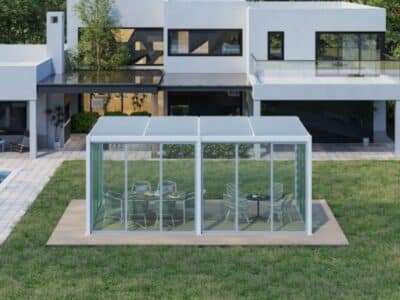
| Glass | Very good | Very high | Moderate | Very good | Premium, architectural outdoor rooms |
| Insulated Panels | Excellent | Low | Low | Excellent | Temperature control in hot or cold climates |
| Timber | Moderate | Partial (slatted) | Higher | Moderate | Natural, traditional aesthetic |
| Adjustable Aluminium Louvres | Excellent | Variable | Low | Excellent | Flexible, year-round use |
- Polycarbonate Roofing is lightweight and lets in soft natural light while still blocking harmful UV rays, though cheaper grades can discolour over time in strong Australian sun.
- Colorbond Steel Roofing is tough, low-maintenance, and provides full shade and rain protection, making it a common choice for patios that double as outdoor living rooms.
- Glass Roofing delivers a premium, light-filled look and pairs well with modern homes, though it needs regular cleaning to stay streak-free.
- Insulated Roof Panels combine a weatherproof outer skin with an insulating core, helping keep the space cooler in summer and warmer in winter.
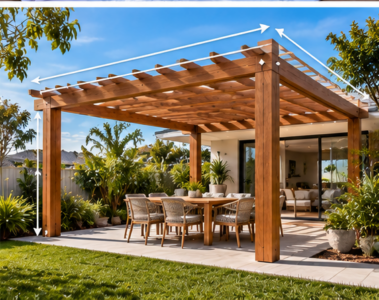
- Timber Roof Structures suit homeowners seeking a natural, classic look, though timber needs periodic sealing or staining to withstand sun and rain.
- Adjustable Aluminium Louvres let you fine-tune shade and airflow throughout the day, making them one of the most versatile options for Australian conditions.
Roofing material has a direct effect on how much natural light reaches the space and how hot it gets underneath on a summer afternoon. Homeowners in tropical northern Australia often lean toward insulated panels or louvres for heat management, while those in milder southern states may prioritise light transmission with polycarbonate or glass. It’s worth checking manufacturer specifications against the National Construction Code requirements for your area, and Your Home Australia has useful guidance on matching materials to different climate zones. If you want to extend the space further, features like manual pull-up screens, a sliding door louvred panel, or pergola glass sliding doors can close the sides in without losing the open feel.
How Does a Pergola with a Roof Improve Year-Round Outdoor Living?
A roof turns an outdoor area from a fair-weather feature into a functional living space you can use most days of the year. Once the sun and rain are no longer deciding factors, backyards tend to get used far more often, not just on the handful of perfect afternoons each month.
- Protection from Sun and Rain: A roof means barbecue plans don’t get cancelled by a passing shower or scrapped because the deck is too hot to sit on at 2 pm.
- Comfortable Outdoor Entertaining: Guests can sit outside for hours without squinting into the sun or shuffling chairs to chase the shade.
- Expanded Living Space: Many households effectively gain an extra room, using the covered area for dining, lounging, or a home office nook.
- Better Temperature Control: Insulated or louvred roofing reduces heat buildup, keeping the space usable even during a hot Australian summer.
- Increased Outdoor Furniture Protection: Timber, fabric, and cushions last considerably longer when they’re not exposed to direct sun and rain.
- Enhanced Property Aesthetics: A well-designed roofed pergola adds a strong visual anchor to the backyard and often becomes the space people notice first.
Pairing the pergola with screens, heating, lighting, or glass doors takes things a step further. Turning it into a genuine four-season room rather than a summer-only feature. Families tend to use these upgraded spaces more often for everyday meals, not just special occasions, and the flexibility makes it easier to host gatherings regardless of the weather. Adding automated pull-up screens or a wall-mounted louvred pergola is a common next step once the roof itself is in place.
What Should You Consider Before Building a Pergola with a Roof?
Planning affects how well the pergola functions, how it looks over time, and whether it meets local building rules. A rushed decision on size or placement is one of the more common regrets homeowners mention after the build is finished.
- Available Outdoor Space: Measure the area carefully, including clearance from fences, eaves, and existing structures.
- Roof Style Compatibility: Ensure the roof design complements the home’s architecture and the pergola’s intended use.
- Material Selection: Weigh up light, maintenance, and weather protection against your budget.
- Council Approval Requirements: Confirm what’s required before construction starts, as rules vary by council and state.
- Budget: Roofed pergolas cost more than open designs, so it helps to price out the full job, including footings and drainage.
- Future Additions: Think ahead to screens, glass doors, lighting, heating, or automation so wiring and structural allowances can be built in from the start.
Drainage and water runoff deserve particular attention, since a poorly planned roof can direct rainwater straight toward the house or pool, or into the yard. Building in capacity for future upgrades during the initial construction, even if you don’t install them straight away, usually costs less than retrofitting later. This is often where working with experienced pergola specialists pays off, as they can flag issues with drainage, structural loads, or council requirements before they become expensive problems.
Compliance note: Always check your local council’s requirements before starting construction, as approval requirements vary between councils and states across Australia. The Planning Portal is a useful starting point for checking planning rules that apply to your property.
Is a Pergola with a Roof Worth the Investment for Your Home?
A roofed pergola usually costs more upfront than an open pergola, but it delivers considerably more functionality and long-term value in return. The extra spend tends to pay off through greater use of the space and reduced wear on outdoor furnishings.
- Greater Year-Round Usability: The space works in more weather conditions, which means more days of actual use.
- Increased Property Value: A well-built, functional outdoor living area is a genuine selling point for many buyers.
- Improved Outdoor Comfort: Shade and shelter make a real difference to how enjoyable the space feels day to day.
- Better Weather Protection: Furniture, flooring, and fittings are shielded from sun and rain damage.
- Lower Maintenance for Outdoor Furnishings: Less UV and moisture exposure means less frequent replacement or repair.
- Enhanced Entertaining Opportunities: A covered space is easier to book out for gatherings regardless of the forecast.
Over time, the lifestyle benefits and reduced maintenance costs tend to offset the higher initial outlay, and a quality roofed pergola adds genuine appeal to the property. Whether it’s worth it usually comes down to how often you expect to use the space. For most Australian households chasing more usable outdoor living, the investment is one that many homeowners consider worthwhile.
Conclusion
A pergola with a roof gives Australian homeowners a practical way to extend outdoor living into every season, provided the design and roofing material suit the climate and the way the space will actually be used. From fixed roofs to fully adjustable louvres, and from polycarbonate through to insulated panels, there’s a combination to fit almost any home and budget. Matching those choices to your climate, lifestyle, and architecture makes the difference between a pergola that gets used year-round and one that sits idle for half the year. If you’re weighing up your options, it’s worth exploring the styles and materials available before locking in a design.
Ready to find the right fit for your home? Explore premium pergolas with roof designs built for Australian conditions, compare roofing materials and customisation options, and look into DIY pergola kits and professional installation solutions. Get in touch with DIY Pergola Kits Australia for tailored advice on your project.
Frequently Asked Questions
What is a pergola with roof?
A pergola with a roof is an outdoor structure that combines the open framework of a traditional pergola with a solid or adjustable roof covering. Unlike an open pergola, which offers only partial shade through its beams, a roofed version provides genuine protection from sun and rain. Roofing options range from polycarbonate and Colorbond steel to adjustable aluminium louvres, allowing homeowners to choose the level of coverage and light that suits their outdoor living needs.
What is the best roofing material for a pergola?
There’s no single best material, as it depends on your priorities. Colorbond steel and insulated panels suit those wanting full shade and strong weather protection, while polycarbonate and glass suit homeowners who want natural light to filter through. Adjustable aluminium louvres offer the most flexibility, letting you switch between open and closed depending on the weather. Climate, budget, and desired maintenance level should all guide the final decision.
Can a pergola with a roof protect against rain and sun?
Yes, a properly installed roofed pergola protects against both rain and sun, though the level of protection depends on the material chosen. Solid options like Colorbond steel and insulated panels offer complete coverage, while polycarbonate and glass provide strong UV protection with some light transmission. Adjustable louvred roofs let you open up on a mild day or seal the space completely during a downpour.
Does a pergola with a roof require council approval?
In many cases, yes, though requirements vary between councils and states across Australia. Factors such as the pergola’s size, height, proximity to boundaries, and whether it’s attached to the home can all affect whether approval is needed. Some smaller, freestanding structures may fall under exempt or complying development categories in certain areas. It’s best to check with your local council before starting construction to confirm what applies to your property.
How much does a pergola with roof cost to build?
Costs vary widely depending on size, roofing material, and whether you choose a DIY kit or a professionally installed structure. A basic polycarbonate or Colorbond roof over a modest pergola will cost considerably less than a premium glass roof or a fully adjustable louvred system. Additional features like screens, lighting, heating, or automation will add to the overall budget, so it helps to get a clear quote based on your specific design before committing.