Blog

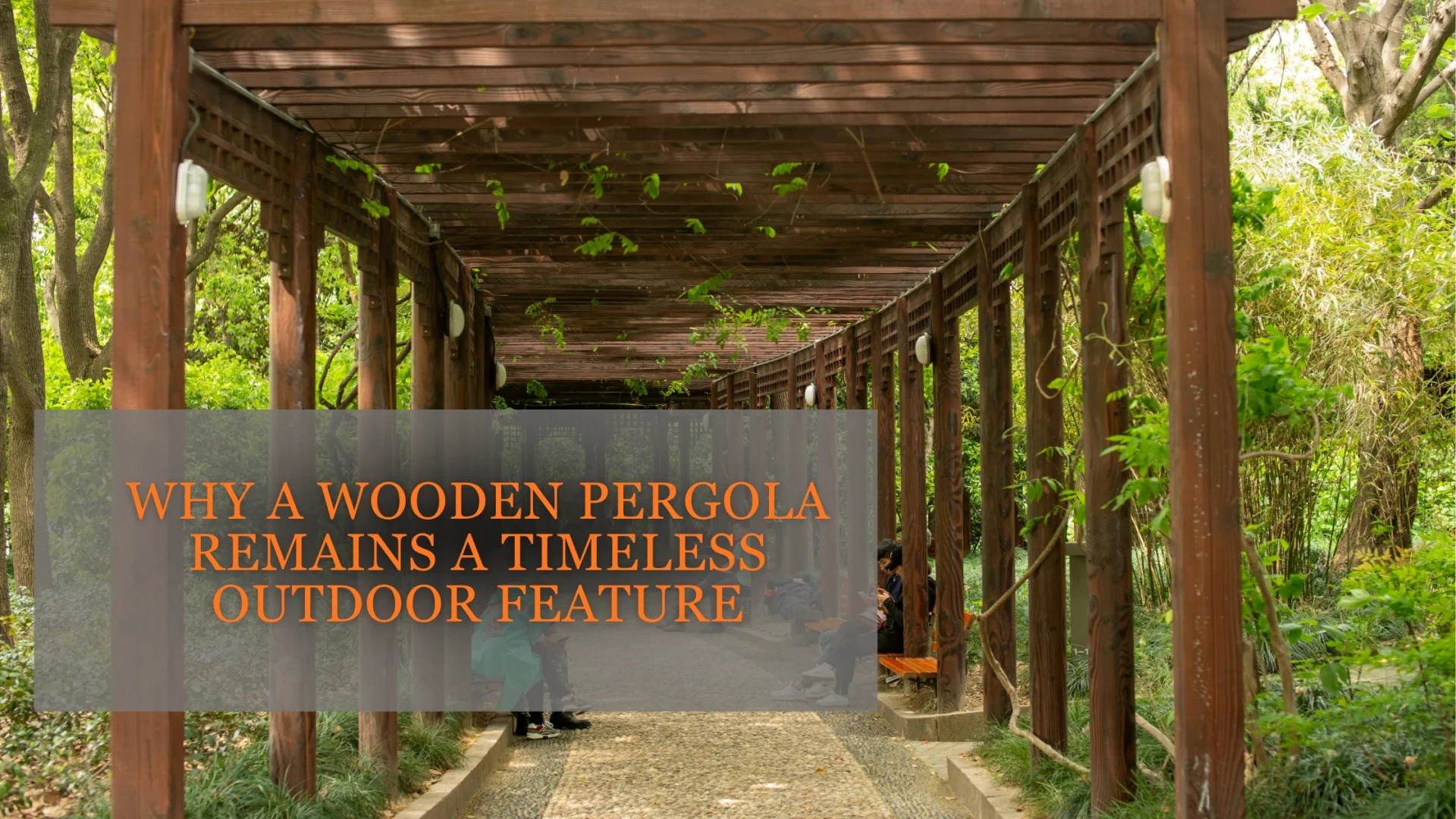
A wooden pergola remains a timeless outdoor feature because it combines natural beauty, designversatility, and genuine outdoor living benefits that few other structures can match. Timber suits both traditional and contemporary homes, lifts outdoor usability, and continues to rank among the most sought-after backyard additions for Australian homeowners.
Whether you are planning a quiet reading nook or a full outdoor entertaining space, a timber pergola gives you a flexible starting point that works with almost any landscaping style.
How Does a Wooden Pergola Enhance Backyard Aesthetics and Functionality?
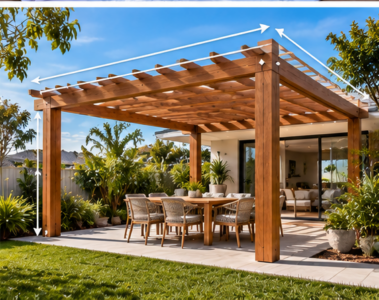
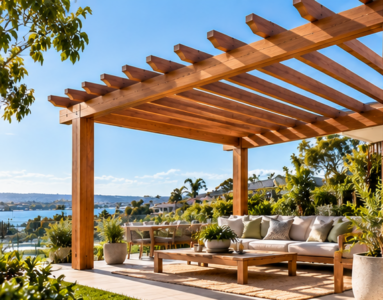
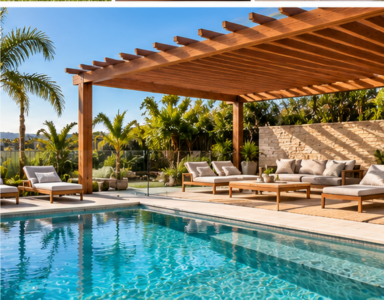
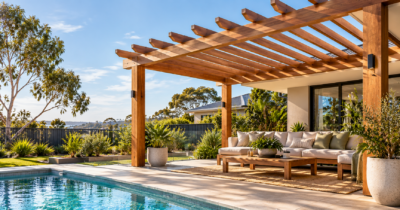
A wooden pergola creates an instant focal point in the backyard. The warmth of timber draws the eye and gives an otherwise flat outdoor area a sense of structure and purpose. It defines a specific zone for relaxing, dining, or entertaining without completely closing off the space.
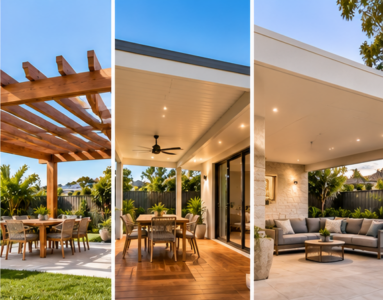
This open yet defined quality is what makes pergolas so effective at creating outdoor rooms. A pergola provides shaded seating, frames a dining setting, and gives climbing plants and greenery something to grow across. It also bridges the gap between indoor and outdoor living, helping the home feel larger and more connected to the garden.
Timber remains a preferred outdoor material because it sits naturally within almost every landscaping style, from native Australian gardens to formal European-inspired layouts. Many homeowners are now choosing modern pergola designs that pair a timber frame with newer roofing technology, blending classic warmth with practical, all-weather performance.
What Are the Benefits of Installing a Wooden Pergola at Home?
Installing a wooden pergola delivers both practical and aesthetic value. It extends the usable footprint of a property, softens the backyard’s look, and provides homeowners with a flexible base for future outdoor upgrades.
Key Benefits
- Natural and timeless appearance that suits most architectural styles
- Design flexibility for traditional, coastal, or contemporary homes
- Increased outdoor living space for entertaining and relaxing
- Support for vines, climbing plants, and garden features
- Potential boost in overall property appeal
- Easy customisation with roofing and screening systems
Once the timber frame is in place, homeowners can further personalise it with Manual Pull-Up Screens, integrated lighting, outdoor entertainment features such as speakers or a TV bracket, and additional weather protection, such as clear roofing panels. These additions turn a simple structure into a genuine outdoor entertaining space that works year-round.
For homeowners who prefer a hands-on approach, our range of DIY Pergola Kits Australia offers a more affordable way to achieve the same timber look, with pre-cut components and clear instructions designed for confident weekend builders.
Timber also creates a noticeably warmer atmosphere than metal alternatives, both visually and to the touch, which is one reason demand for timber-framed outdoor entertaining areas continues to grow across Australian suburbs.
Which Timber Types Are Best for a Durable Wooden Pergola?
Choosing the right timber has a major impact on how long a pergola lasts and how much upkeep it needs. Some species handle Australian weather conditions better than others, and durability ratings vary significantly between softwoods and hardwoods.
| Timber Type | Benefits | Durability Level | Appearance |
| Treated Pine | Affordable and widely available | Moderate | Traditional |
| Cedar | Naturally resistant to insects and decay | High | Warm tones |
| Hardwood | Strong and long-lasting | Very High | Premium finish |
| Merbau | Durable and weather-resistant | High | Rich colour |
| Spotted Gum | Australian hardwood with excellent strength | Very High | Contemporary |
The timber you choose affects more than appearance. Softwoods such as treated pine are budget-friendly and easy to source, but generally require more frequent maintenance and have a shorter lifespan than hardwoods. Hardwoods such as spotted gum and merbau cost more upfront but offer superior strength and weather resistance, which often makes them more economical over the life of the structure.
Australian hardwoods remain popular because they are bred for local conditions, including harsh UV exposure and variable humidity. Timber durability is well documented through national testing frameworks, including the timber durability classifications maintained by Standards Australia, which homeowners and builders use as a reference point when comparing species.
How Do You Maintain a Wooden Pergola for Long-Term Performance?
Regular maintenance is what separates a pergola that looks great for decades from one that deteriorates within a few years. Timber is a natural material that needs consistent care to withstand sun, rain, and temperature changes.
Maintenance Tips
- Clean surfaces regularly to remove dirt, mould, and debris
- Reapply stains or protective coatings every one to two years
- Inspect for moisture damage, particularly after heavy rain
- Check fasteners and structural connections for movement or rust
- Trim nearby vegetation to improve airflow and reduce moisture build-up
- Address minor issues early before they become structural problems
Climate plays a significant role in how quickly timber ages. Pergolas in coastal areas face salt exposure, while those in harsh inland climates deal with intense UV and dryness. Sun exposure alone can cause timber to fade or dry out faster than expected, so the species you choose and the finish you apply both matter.
Common causes of premature deterioration include trapped moisture, inadequate sealing, and lack of airflow underneath the structure. A quality protective finish, reapplied on schedule, is one of the simplest ways to extend the life of any timber pergola. The YourHome guide to outdoor materials and the CSIRO research into building material performance both offer useful, independent guidance for homeowners planning long-term maintenance schedules.
Is a Wooden Pergola a Good Investment for Property Value and Outdoor Living?
A well-built wooden pergola is generally considered a worthwhile investment, both for everyday lifestyle benefits and for enhancing the property’s presentation to future buyers. It improves how a backyard functions and how it looks from the moment it is installed.
Value Benefits
- Improved outdoor entertaining space for guests and family
- Better backyard functionality across different seasons
- Enhanced visual appeal that boosts street and yard presentation
- Increased buyer interest during a future sale
- Greater flexibility for outdoor activities, from dining to relaxing
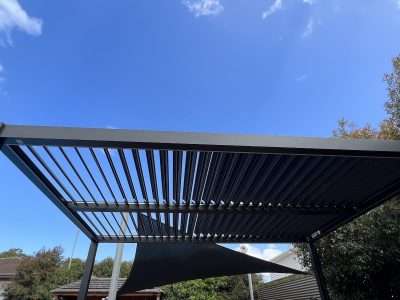
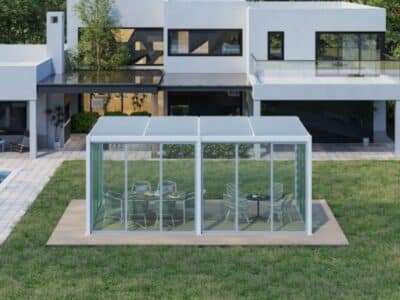
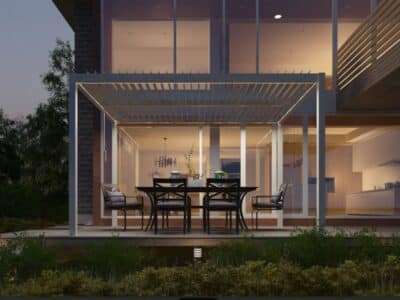
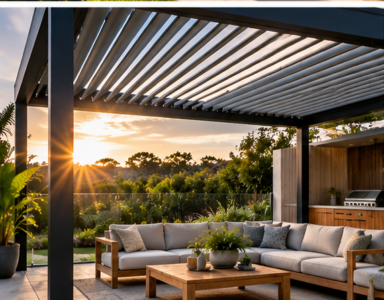
Many homeowners now combine a timber frame with modern additions such as Louvre Pergola roof systems, manual pull-up screens, or Pergola Glass Sliding Doors to create a fully weatherproof outdoor room. Those who want push-button convenience often step up to a Motorised Louvred Pergola, which adjusts the roof angle to control light and airflow with no manual effort. These combinations let you keep the warmth of timber while gaining the year-round usability of a more advanced roof or screening system.
Outdoor living continues to trend upward among Australian homeowners, with many treating the backyard as a genuine extension of the home rather than an afterthought. This lifestyle-focused approach to property design, supported by industry guidance from the Housing Industry Association and the Australian Institute of Landscape Architects, reflects a long-term shift toward outdoor spaces that are usable, comfortable, and connected to daily life.
Final Thoughts
A wooden pergola remains a timeless outdoor feature because it brings together natural beauty, practical functionality, and long-term versatility in a single structure. Choosing quality timber suited to your climate, staying on top of maintenance, and selecting a design that complements your home are the three factors that matter most.
If you are ready to explore your options, take a look at our range of outdoor living solutions, compare timber styles against newer ones, or speak with our team about a tailored design. You can also browse our full range of custom pergola systems and backyard improvement products on our homepage to find the right fit for your space.
Frequently Asked Questions
What Are the Advantages of a Wooden Pergola?
A wooden pergola offers a natural look, design flexibility, and the ability to support climbing plants and greenery. It creates a shaded outdoor living space, suits most home styles, and can be upgraded later with screens, lighting, or roofing systems. Many homeowners also find that it adds noticeable appeal to a property.
Which Wood Is Best for Building a Wooden Pergola?
Hardwoods such as spotted gum and merbau are among the best choices for durability and weather resistance, while cedar offers natural decay resistance with a warmer tone. Treated pine remains a budget-friendly option, though it generally needs more frequent maintenance than hardwood alternatives.
How Long Does a Wooden Pergola Last?
A well-maintained timber pergola can last 15 to 25 years or longer, depending on the timber species, climate, and construction quality. Hardwoods such as spotted gum and merbau tend to outlast softwoods like treated pine, especially when regular sealing and inspection are part of ongoing care.
Does a Wooden Pergola Require Regular Maintenance?
Yes, a wooden pergola needs regular maintenance to perform well in the long term. This includes cleaning, reapplying protective stains or coatings, checking for moisture damage, and inspecting fasteners. Climate and sun exposure influence how often maintenance is needed, with coastal and high-UV areas typically requiring more frequent attention.
Can a Wooden Pergola Increase Property Appeal?
Yes, a high-quality timber pergola can enhance a property’s visual appeal and increase buyer interest by creating a functional, attractive outdoor living space. It signals that the backyard has been thoughtfully designed, which often influences how potential buyers perceive a home’s overall value