Blog

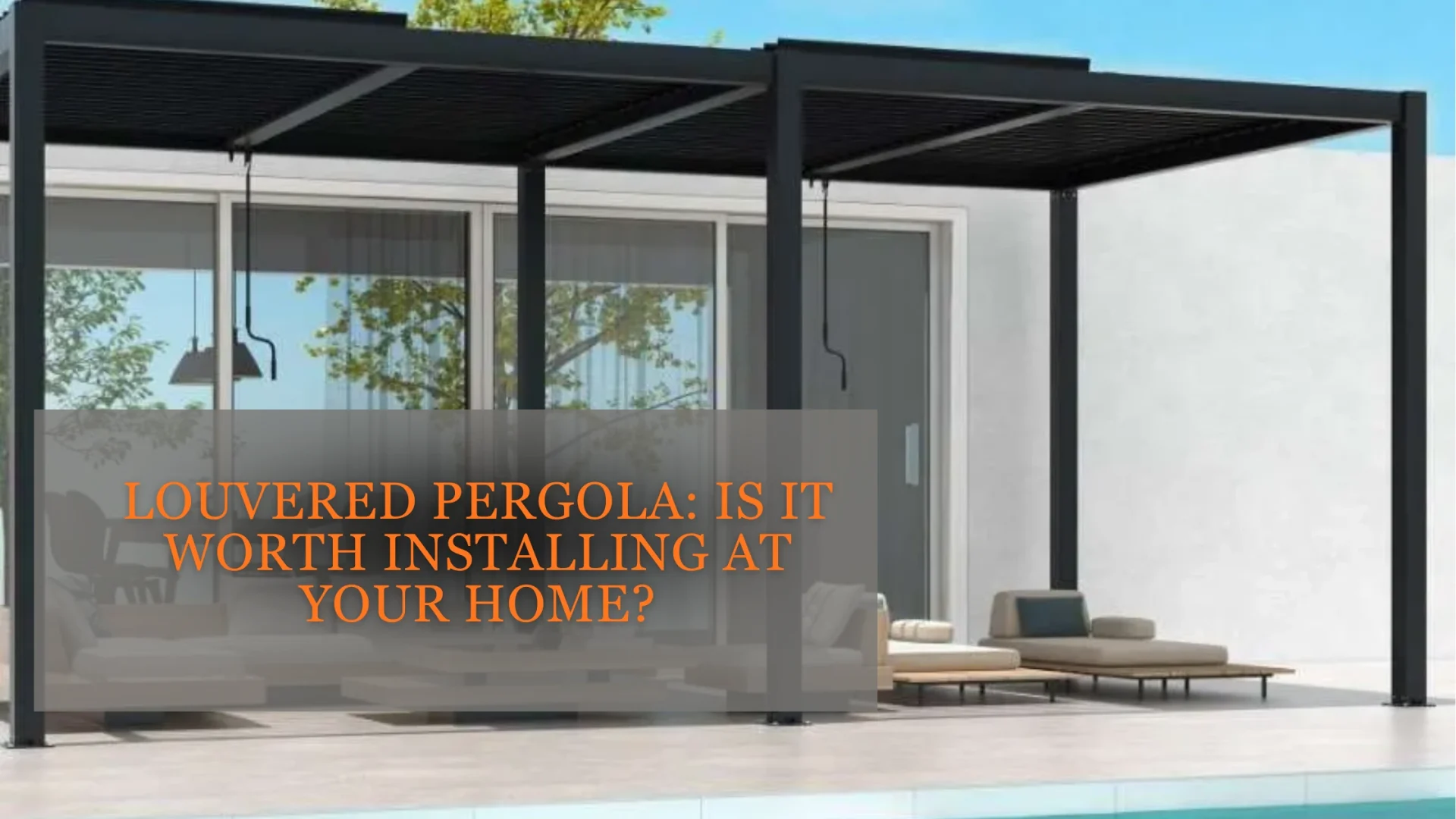
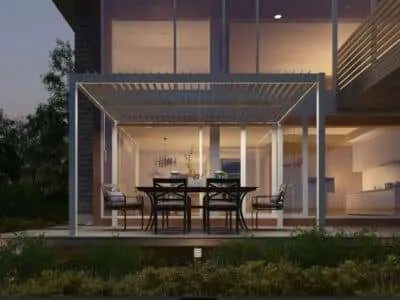
A louvred pergola is worth installing if you want year-round control over sun, shade, rain, and airflow in one structure. Unlike fixed-roof designs, a louvred pergola lets you adjust the roof louvres to suit the weather and the moment. It has become one of the most popular outdoor upgrades in Australia, giving homeowners a more comfortable, usable outdoor space year-round. Choosing the right pergola style depends on your lifestyle, budget, and how you plan to use your backyard.
How Does a Louvred Pergola Improve Outdoor Comfort Throughout the Year?
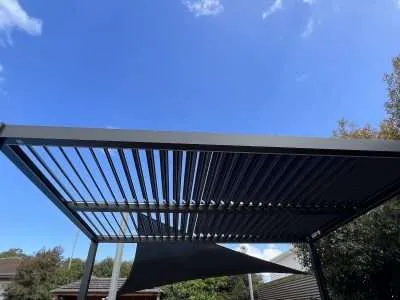
A louvred pergola improves comfort by letting you adjust the roof in real time, so your outdoor area works for you in every season rather than sitting unused on hot or wet days.
This adaptability is the main reason many homeowners upgrade from a basic timber structure to a fully engineered louvre system. The benefits are evident year-round, not just in summer.
- Adjustable sun protection that follows the sun’s angle through the day
- Improved natural ventilation when louvres are angled open
- Rain protection when louvres are closed flat
- Better temperature control underneath the structure
- Comfortable outdoor entertaining regardless of the weather
- Increased usability across all four seasons
During summer, opening the louvres slightly allows hot air to escape while still blocking direct glare, keeping the space noticeably cooler than with a solid roof.
Homeowners who started their outdoor living journey with a DIY Pergola Kit often find that upgrading to an adjustable louvred roof brings a level of comfort and control that the original build never offered. Australia’s climate swings from harsh UV exposure to sudden downpours, and a louvred roof adapts to both without homeowners needing to move furniture or pack away outdoor setups.
What Features Should You Look for in a Louvred Pergola?
The most important features are a durable aluminium frame, a reliable louvre operating system, and proper drainage, since these determine how well the structure performs over time.
Quality varies widely between suppliers, so it helps to know what sets a well-built system apart from a basic one before you commit.
- Powder-coated aluminium frame for corrosion resistance
- Manual or motorised louvre system, depending on convenience needs
- Integrated drainage system built into the frame
- Weather-resistant construction rated for Australian conditions
- LED lighting compatibility for evening use
- Optional screens and glass enclosures for extra protection
High-quality aluminium components resist warping, rust, and fading far better than timber or lower-grade metal alternatives, which matters given Australia’s UV intensity and coastal humidity in many regions. Integrated drainage is just as important, since it channels rainwater away through the posts rather than letting it pool or drip onto furniture. Homeowners wanting an extra layer of wind and insect protection alongside their louvres often add a manual pull-up screen to enclose the sides of the space without losing the open, airy feel.
For those who prefer everything to operate at the touch of a button, an automatic pull-up screen pairs well with a motorised louvre system, letting the whole structure be opened, closed, or screened in with minimal effort.
How Do You Choose the Right Louvred Pergola for Your Home?
Choosing the right louvred pergola comes down to matching the design to your available space, how you use your outdoor area, and your budget for manual versus motorised operation.
A few practical questions can guide this decision before you start comparing quotes.
- Available backyard space and how the structure will sit within it
- Attached to the house or freestanding in the yard
- Manual versus motorised louvre operation
- Roof size and louvre orientation for sun exposure
- Future outdoor upgrades you might want later
- Budget and installation requirements
It pays to think ahead about future additions like outdoor kitchens, heating, or entertainment areas, since these can influence pergola size and placement now rather than requiring costly changes later. If a full weather enclosure is a priority, a sliding door louvred panel can be added along one or more sides to block wind and rain while still allowing the space to be opened up on milder days.
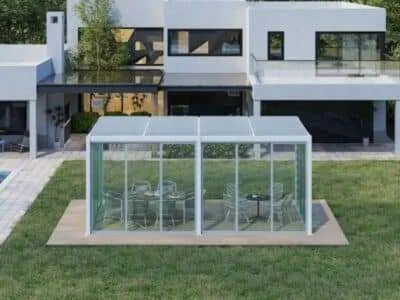
Alternatively, pergola glass sliding doors offer a more premium, café-style enclosure that keeps the outdoor room usable even in cooler months while still framing the garden view.
Matching the pergola’s dimensions to how your household actually uses the space, whether for quiet mornings or larger gatherings, makes the investment far more worthwhile. According to the Australian Government’s Your Home guidance, climate-responsive outdoor design that accounts for sun path and airflow can meaningfully improve year-round comfort and energy efficiency.
How Much Maintenance Does a Louvred Pergola Require?
A louvred pergola requires only light, occasional maintenance, mainly cleaning the aluminium surfaces and checking the moving parts, since aluminium does not rust, rot, or attract termites.
Keeping a louvred pergola in good condition is straightforward with a simple routine.
- Wash aluminium surfaces regularly with mild soap and water
- Remove leaves and debris from louvres and gutters
- Check moving components annually for smooth operation
- Clean drainage channels to prevent blockages
- Inspect fixings and fasteners for wear
- Lubricate moving parts if the manufacturer recommends it
Aluminium’s natural resistance to rust, termites, and rot is a major reason it outperforms timber pergolas over the long term, particularly in humid or coastal parts of Australia. A seasonal inspection before summer storms and again before winter helps catch small issues, like a stiff louvre hinge or a blocked drain, before they become bigger problems.
Is a Louvred Pergola Worth the Investment for Australian Homes?
A louvered pergola is generally worth the investment because it delivers year-round outdoor use, low maintenance costs, and a modern look that can add genuine appeal to a property.
Weighing the upfront cost against the practical benefits usually favours the louvred option for homeowners planning to stay in their property long term.
- Greater year-round outdoor use compared to fixed-roof designs
- Improved weather protection from sun and rain
- Modern architectural appearance that suits contemporary homes
- Increased property appeal for future resale
- Low maintenance requirements over the structure’s lifespan
- Long-lasting aluminium construction built for durability
For most households, the lifestyle improvement of having a genuinely usable outdoor space in every season outweighs the higher upfront cost compared to a basic fixed pergola. For homeowners who prefer a simpler setup, a manual louvred pergola still delivers the same adjustable comfort and weather protection at a more accessible price point than a fully motorised system.
The long-term value comes from durability and flexibility, not just the initial price tag. Building considerations, such as wind loading and structural compliance, should also be checked against the Australian Building Codes Board before installation begins.
Louvred Pergola vs Traditional Pergola
| Feature | Louvered Pergola | Traditional Pergola |
| Shade control | Adjustable louvres let you fine-tune shade throughout the day | Fixed roof or open slats offer little to no adjustment |
| Ventilation | Louvres angle open for airflow while still providing cover | Open designs allow airflow but offer no shelter when closed |
| Rain protection | Closes flat to fully block rain | Usually requires a separate cover or offers no rain protection |
| Maintenance | Low, mainly cleaning aluminium and checking moving parts | Higher for timber, with painting, sealing, and rot checks |
| Appearance | Sleek, modern aluminium finish suited to contemporary homes | Classic look, often timber, suited to traditional gardens |
| Long-term flexibility | Adapts to changing weather and daily needs year-round | Fixed structure with limited adaptability |
| Cost | Higher upfront cost, offset by durability and lower upkeep | Lower upfront cost, but higher long-term maintenance spend |
Manual vs Motorised Louvred Pergolas: Which Is Better?
Both manual and motorised louvred pergolas offer adjustable shade, ventilation and weather protection. The main differences are how the roof operates, convenience and upfront cost.
| Feature | Manual | Motorised |
|---|---|---|
| Roof operation | Hand crank | Remote control |
| Convenience | Requires physical adjustment | Push-button adjustment |
| Upfront cost | Lower | Higher |
| Electricity | Not required for roof adjustment | Requires power |
| Maintenance | Fewer powered components | Motor and controls may need servicing |
| Best suited for | Budget-conscious homeowners | Frequent use and added convenience |
Conclusion
A louvred pergola is one of the most versatile outdoor living solutions available to Australian homeowners today. It combines adjustable shade, reliable ventilation, and genuine weather protection in a single structure built from quality materials. The practical features, from integrated drainage to durable aluminium framing, support real day-to-day use rather than sitting idle in poor weather. For homeowners weighing lifestyle benefits against long-term property value, a louvred pergola consistently delivers on both fronts. If you like the idea of full remote control over your outdoor space, a motorised louvred Pergola is worth comparing against manual options before you decide.
Homeowners with limited wall space or a preference for a fixed-position structure may also want to compare a wall-mounted louvred pergola, which suits smaller courtyards and townhouse gardens particularly well.
Want to explore your options? Discover premium manual and motorised systems, compare accessories and customisation options, and speak to outdoor living experts about the best solution for your home and lifestyle goals. You can also visit our homepage, DIY Pergola Kits Australia to see the full range of styles available.
Frequently Asked Questions
What is a louvered pergola?
A louvered pergola is an outdoor structure with an adjustable roof made from rotating aluminium blades called louvres. Homeowners can open, close, or angle these louvres to control sunlight, shade, ventilation, and rain protection. Unlike a fixed pergola roof, a louvered system adapts throughout the day and across seasons, making it a popular choice for Australian outdoor entertaining areas and year-round backyard use.
How does a louvered pergola work?
A louvered pergola works through a set of rotating aluminium blades connected to either a manual handle or a motorised system. Adjusting the louvres changes the angle of the roof, allowing sunlight and airflow through when open, or fully closing them to block rain and create shade. Motorised systems often include remote controls, while manual versions use a simple hand crank mechanism.
Can a louvered pergola protect against rain and sun?
Yes, a louvered pergola protects against both rain and sun. When the louvres are closed flat, they form a solid, watertight roof that channels rainwater away through an integrated drainage system. When opened, the louvres can be angled to block direct sun while still allowing airflow, giving homeowners flexible control over shade and ventilation as conditions change.
Is a louvered pergola better than a traditional pergola?
A louvered pergola generally offers more flexibility than a traditional pergola, since its adjustable roof adapts to changing weather rather than staying fixed. Traditional pergolas can suit classic garden aesthetics and lower upfront budgets, but they typically require more maintenance if built from timber and offer little protection from rain. The better choice depends on your priorities around comfort, upkeep, and long-term use.
How long does a louvered pergola typically last?
A well-built louvered pergola can last several decades thanks to its powder-coated aluminium construction, which resists rust, termites, and rot. Actual lifespan depends on build quality, exposure to harsh coastal or UV conditions, and the consistency of maintenance. Routine cleaning and annual checks of moving parts help ensure the louvre system continues to operate smoothly for many years.
Which should you choose?
A manual louvred pergola is a practical choice for homeowners who want adjustable shade without paying extra for powered operation. A motorised pergola is worth considering if you frequently entertain outdoors or prefer adjusting the roof at the touch of a button.
Compare the available options in the Unique Pergolas range, or explore the Motorised Louvered Pergola for product details.
Are DIY Louvred Pergola Kits Worth Considering?
DIY pergola kits can be a practical option for homeowners who want more control over their outdoor project. A pre-designed kit provides specified components and assembly instructions, which can simplify planning compared with designing a structure from scratch.
Before choosing a DIY kit, consider the available space, foundation requirements, necessary tools, structural fixing requirements and whether professional assistance is needed. Check local council and building approval requirements before installation.
How Can a Louvred Pergola Improve Your Outdoor Space?
A louvred pergola can turn an exposed patio, deck or backyard area into a more versatile place for dining, relaxing and entertaining.
Adjustable louvres let you manage sunlight and airflow throughout the day, while a well-positioned pergola helps define a dedicated outdoor living area. Lighting, screens and suitable outdoor furniture can make the space more comfortable and inviting.
A thoughtfully designed outdoor area may also improve a property’s appeal, although any increase in resale value depends on the property and local market.