Blog

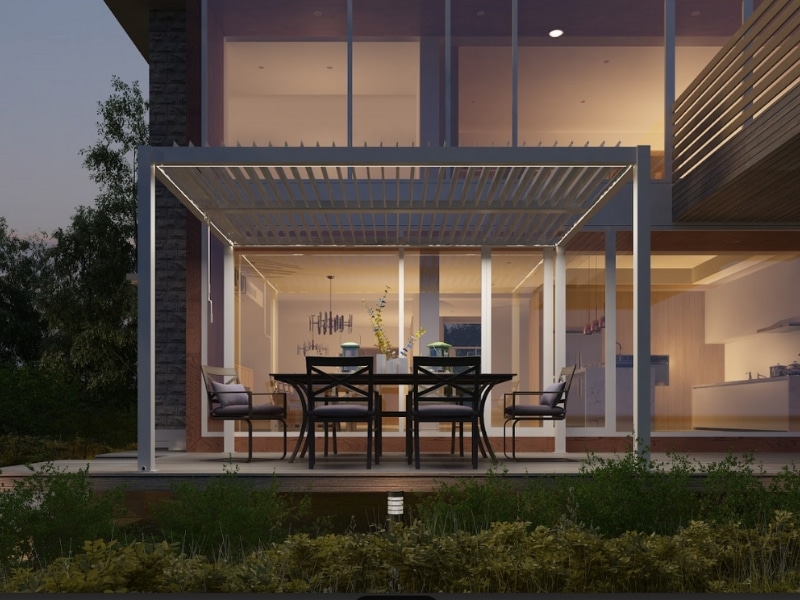
Design choices affect pergola installation cost by determining the materials, complexity, labour time, and need for permits. Why does one pergola cost a few thousand and another push past $20,000? The answer lies in the details. Every decision—style, material, roofing, permits—affects your pergola installation cost. Whether you’re going basic or building an outdoor showstopper, knowing where the money goes helps avoid nasty surprises. This article breaks down the design choices that have the most significant impact on costs, enabling you to budget with clarity.
How much does a pergola installation cost on average?
Pergola installation cost in Australia generally ranges between AU$3,000 and AU$20,000+, depending on design, size, and materials. The total cost of installing a pergola depends heavily on material type, structure size, and added features like roofing or screens. Here are the relevant items that influence what you’ll spend:
| Pergola Type | Estimated Cost | Features Included |
| Entry-level | $3,000–5,000 | Open top, simple frame, treated timber |
| Mid-range | $6,000–12,000 | Semi-roofed, larger size, basic roofing |
| Premium | $13,000–20,000+ | Enclosed roof, hardwood, lighting/screens |
| Add-ons | $500–5,000+ | Drop-downs, louvers, custom panels |
Knowing these ranges helps avoid budget shock. Think of it as building a base and layering on cost as your design choices evolve.
Why does pergola pricing differ between city and rural areas?
Pergola pricing varies between city and rural areas due to differences in labour rates, material transport, and permit requirements. Location plays a key role in overall pergola costs, especially when it comes to sourcing materials, hiring skilled labour, and navigating council approvals. Here are the relevant items that cause cost differences:
- Labour rates in metropolitan areas are often higher due to demand and overhead costs.
- Remote areas may see additional freight or delivery fees for frames, roofing or custom items.
- Specialist accessories like glass doors or motorised louvers may be less accessible outside cities, increasing wait times or cost.
- Some regional councils offer faster, cheaper approvals, while others lack online systems, delaying projects.
Discover what factors impact the lifespan and long-term value of pergolas, which are often influenced by climate, a variable that varies between urban and rural settings. A rural site isn’t always cheaper. Consider delivery, permit, and access costs alongside labour rates when budgeting for your location.
What are the main material and labour costs in pergola projects?
Materials like timber, aluminium, and roofing types—along with skilled labour—make up the largest share of pergola project costs. Here are the relevant items that contribute significantly to the cost:
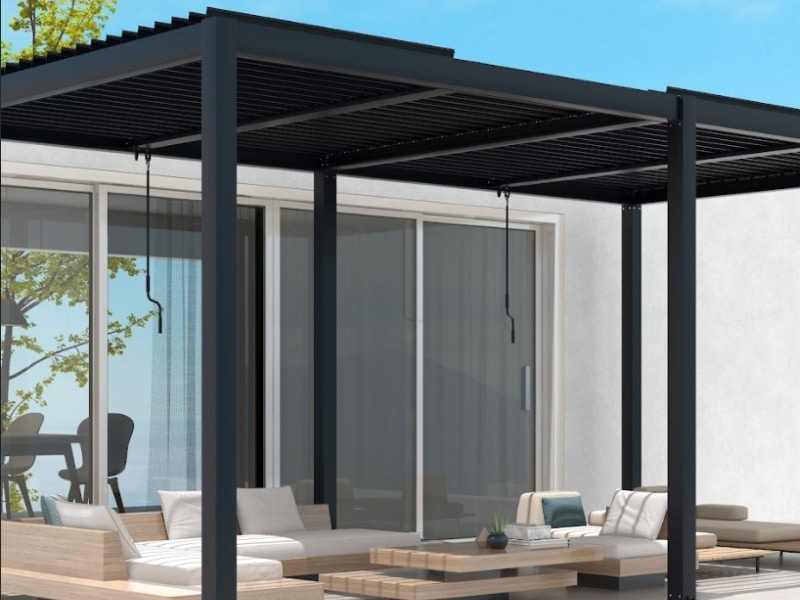
- Timber vs aluminium: Treated pine is affordable, while aluminium frames and hardwoods come at a premium.
- Roofing type: Clear polycarbonate is cheaper; Colorbond or motorised louver systems are more expensive.
- Labour: Skilled trades for complex builds may cost AU$70–$120/hour, especially in cities.
- Site access and preparation: Uneven blocks need more excavation, drainage or footing work.
Explore the best pergola materials for enclosed designs to understand how frame and roof choices impact both upfront and future maintenance costs. Material and labour form the foundation of your project’s pricing. Choosing wisely here can stretch your budget further.
Can DIY pergola projects reduce overall expenses?
DIY pergola projects can appear cheaper upfront, but often lead to hidden costs, delays, and compliance issues if not executed properly. While DIY might seem like a budget-friendly option, it’s rarely straightforward. Even with kits, pergola builds require precision, planning, and awareness of building codes. For many, mistakes or incomplete compliance can ultimately cost more than hiring professionals. Here are the relevant items that influence DIY savings—and potential pitfalls:
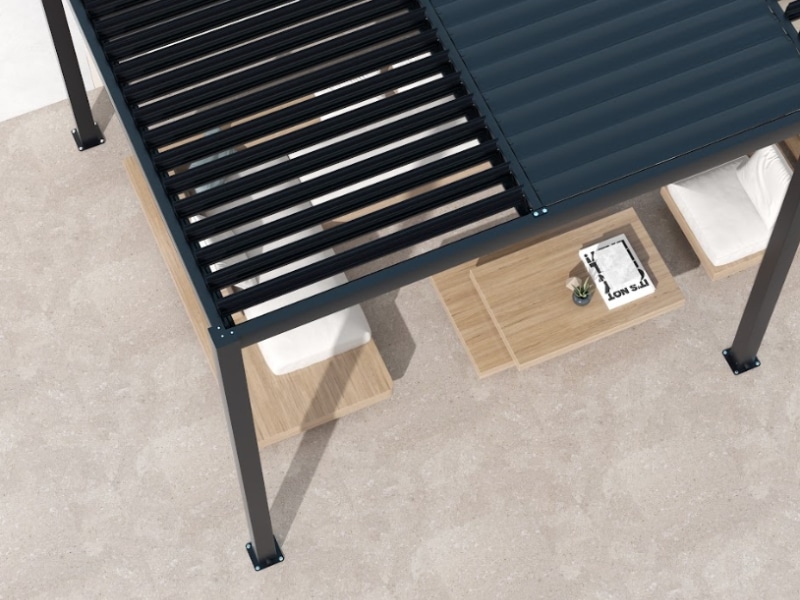
- DIY pergola kits simplify the process by including pre-cut, pre-measured parts, but still require precise assembly.
- Assembly skills required: Without basic carpentry knowledge, you may risk structural issues or costly errors.
- Compliance: Council permits, engineering sign-off or inspections are often still required—and can be tricky to manage solo.
- Finishing tasks like painting, sealing, or electrical work usually need professional input, especially for outdoor power safety.
Discover how shade structures support safer outdoor living if your pergola includes UV-rated roofing or screens. DIY might suit flat sites with simple builds, but for more complex designs, professional installation often protects both your budget and long-term outcome.
Do council permits add to pergola installation cost?
Council permits can significantly increase pergola installation costs through application fees, delays, and design changes required for compliance.
- Many councils require permits for attached pergolas or any with fixed roofing.
- Cost varies: Some charge under AU$500, while others with structural sign-offs exceed AU$1,000.
- Delays: Waiting for approvals can stall projects and increase costs if materials are already ordered.
- Design impact: Fully enclosed pergolas often need certified plans, extra inspections or site surveys.
An efficient pergola installation for Australian homes starts with checking council rules to avoid unexpected compliance headaches. Permits may seem like red tape, but they can ensure structural safety and avoid costly rebuilds or fines down the line.
How do seasonal trends influence pergola installation cost?
Seasonal demand, weather delays, and material availability all influence how much it costs to build a pergola throughout the year. Here are the relevant items that show how seasons affect cost:
- Spring and summer are peak seasons—expect longer wait times and higher labour costs.
- Autumn and winter may offer better availability and lower rates from trades.
- Wet weather can delay slab pouring or frame installation, increasing project time and cost.
- Timber or coatings may behave differently in cold/humid weather—choose materials suited to the season.
Planning around seasonal demand lets you make smarter cost decisions. Even a few weeks’ shift can create savings or shorten your build time.
Final thoughts
Managing pergola costs means aligning your design expectations with local conditions, seasonal factors, and material choices. Your pergola’s price tag reflects the design decisions you make from day one. Thoughtful planning includes defining your must-haves, comparing detailed quotes, and being open to adjusting based on site and season. Whether you’re working with kits or designing a custom build, controlling cost means prioritising simplicity where it counts and durability where it matters. Find out how Unique Pergolas simplifies custom pergola projects for those moments when expert input helps you stay on budget and on track.