Blog

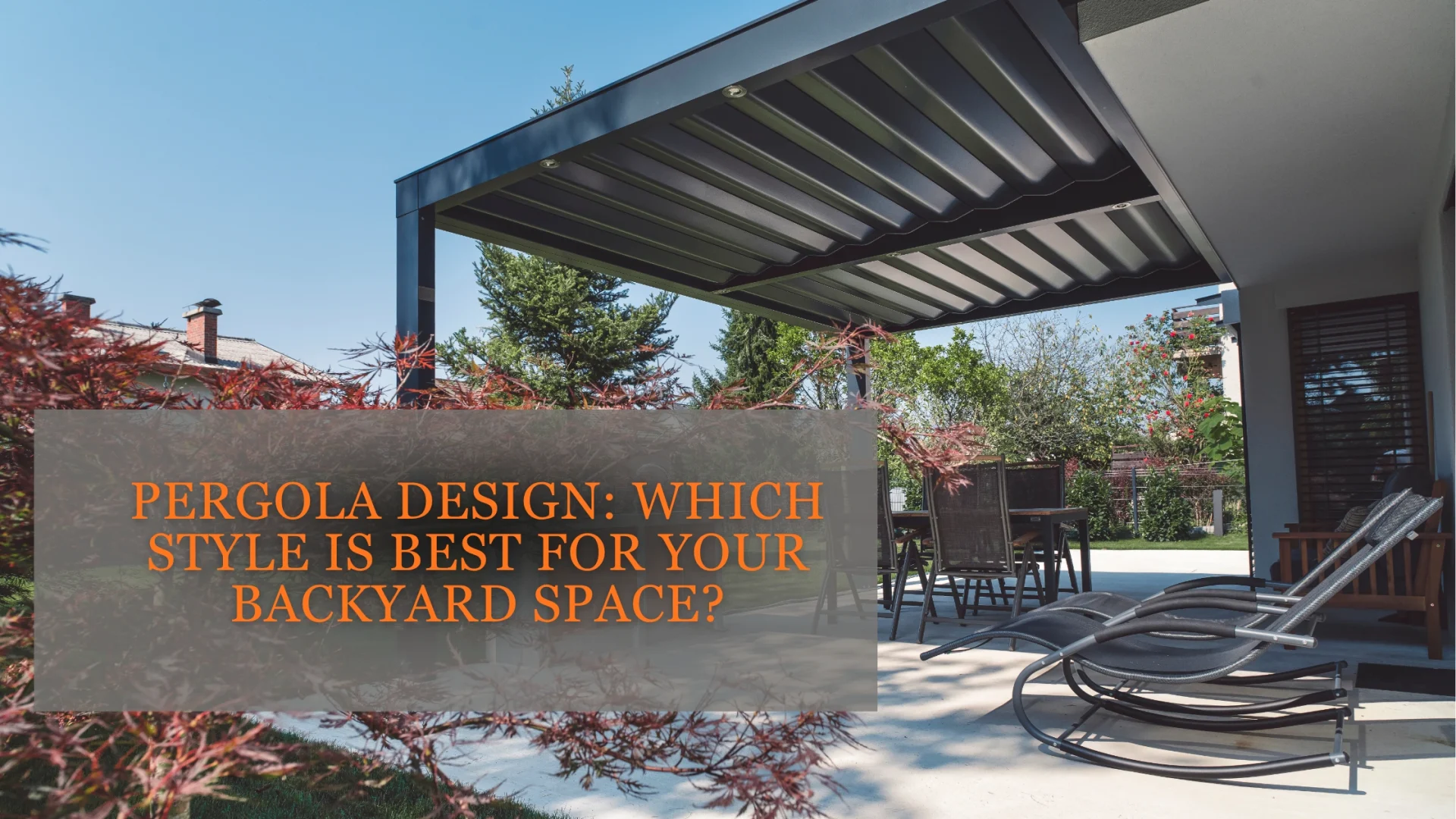
The best pergola design depends on available space, home architecture, lifestyle needs, and desired weather protection. Both modern aluminium and traditional timber designs can create attractive outdoor living spaces. Choosing the right pergola design enhances comfort, functionality, and outdoor entertaining, regardless of your backyard’s size or shape.
How Do You Choose the Right Pergola Design for Your Outdoor Space?
Selecting the right pergola starts with understanding how you’ll actually use the space and how the structure will sit alongside your home. A pergola that looks stunning in a photo but doesn’t suit your block or your daily routine tends to disappoint once it’s built.
Before settling on a design, work through these factors:
- Backyard size and layout
- Attached or freestanding pergola
- Desired level of shade
- Entertaining versus relaxing use
- Architectural style of the home
- Budget and future upgrades
Designing around lifestyle rather than trends leads to greater long-term satisfaction. A family that entertains often needs a different layout than a couple wanting a quiet reading nook. It’s also worth planning for additions such as screens, lighting, or ceiling fans from the outset, since retrofitting these later can mean extra cost and disruption to an already finished structure.
What Are the Most Popular Pergola Design Styles?
Australian homes draw on a range of pergola styles, each suited to different architectural styles and climate conditions. Knowing the differences helps narrow down which option fits your property.
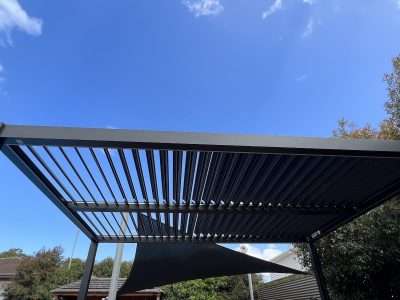
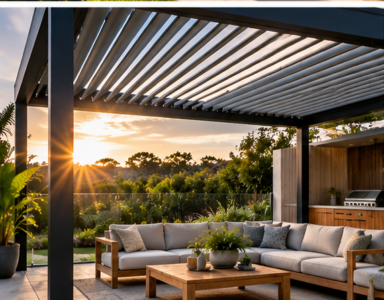
- Modern louvred pergolas
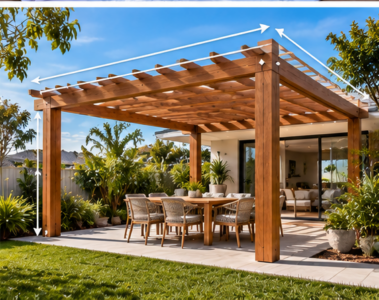
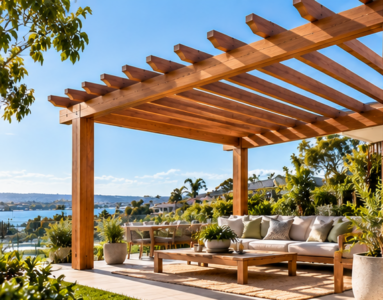
- Traditional wooden pergolas
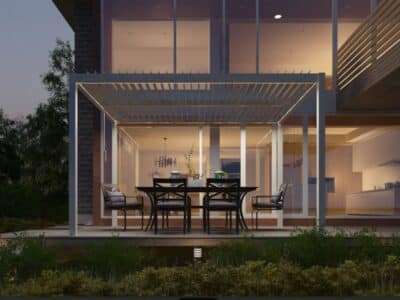
- Minimalist aluminium pergolas
- Gable roof pergolas
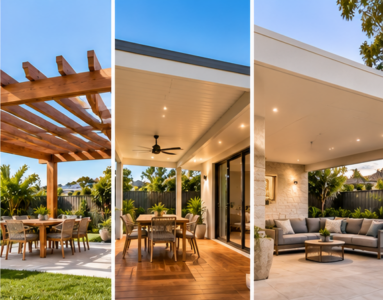
- Flat roof pergolas
- Coastal-inspired pergolas
Modern louvred pergolas use adjustable blades that open and close to control light and airflow, making them a practical choice for changeable weather. Traditional wooden pergolas suit period homes and gardens where a natural, rustic look is the priority, and they remain one of the most requested designs for character properties. Minimalist aluminium pergolas appeal to contemporary homes with clean lines and low-maintenance finishes, while gable and flat roof designs offer different visual proportions that complement the house’s roofline. Coastal-inspired pergolas favour lighter timbers and open slats suited to beachside properties.
Modern homes often suit minimalist designs because the simple geometry echoes the house’s architecture rather than competing with it. Louvred pergolas continue to grow in popularity because they let homeowners adjust shade and ventilation throughout the day without needing a separate awning or blind.
Which Materials Work Best for a Durable Pergola Design?
Material choice affects far more than appearance. It shapes how long the structure lasts, how much maintenance it requires, and how well it withstands Australian weather conditions.
- Aluminium
- Timber
- Steel
- Composite materials
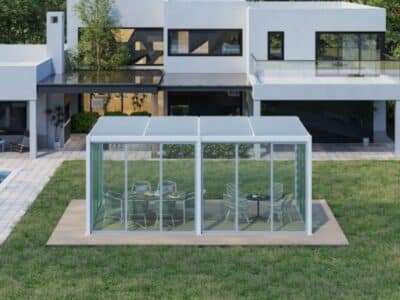
- Glass roofing
- Polycarbonate roofing
Aluminium performs well in Australian conditions because it resists corrosion, doesn’t warp in heat, and needs little more than an occasional wash to stay looking sharp. Timber remains a timeless choice despite its maintenance requirements, offering warmth and texture that many homeowners still prefer for a classic backyard feel. Steel framing adds strength for larger spans, composite materials combine durability with reduced upkeep, and roofing options like glass or polycarbonate determine how much natural light and weather protection the space receives.
| Material | Durability | Maintenance | Weather Resistance | Best For |
| Aluminium | High | Low | Excellent | Modern homes, coastal areas |
| Timber | Moderate to high | High | Moderate | Classic and heritage-style homes |
| Steel | High | Moderate | Good, with protective coating | Large spans and bold structures |
| Composite | High | Low | Good | Low-maintenance modern designs |
| Glass roofing | High | Moderate | Excellent | Year-round light and weather cover |
| Polycarbonate roofing | Moderate | Low | Good | Budget-friendly shade and rain cover |
How Can a Pergola Design Enhance Your Outdoor Living Area?
A well-designed pergola turns an underused backyard corner into a functional extension of the home, blurring the line between indoor comfort and outdoor space.
- Creates shaded outdoor living
- Expands entertaining space
- Improves comfort year-round
- Protects outdoor furniture
- Enhances backyard aesthetics
- Increases usable outdoor space
The right additions make a pergola work harder throughout the year. Lighting extends evening use, while heating keeps the space comfortable through cooler months. Ceiling fans help on humid summer nights, and privacy screens create a more enclosed, intimate feel. Manual Pull-Up Screens and Automatic Pull-Up Screens both offer flexible wind and sun protection that can be raised or lowered as needed.
For homes seeking a stronger connection between indoor and outdoor areas, a Sliding Door Louvred Panel or Pergola Glass Sliding Doors can fully enclose the space when required, while still opening up for entertaining. Homeowners after an adjustable overhead shade often compare a Wall Mounted Louvred Pergola with a Motorised or Manual Louvred Pergola, depending on budget and the level of automation they want.
Multifunctional outdoor spaces are increasingly popular because they let households use the backyard for dining, relaxing, and hosting guests without needing separate structures for each activity. A pergola strengthens the connection between indoor and outdoor living by giving the backyard the same year-round usability as a room inside the house.
What Should You Consider Before Selecting a Pergola Design?
Careful planning at the start prevents costly mistakes later and leads to a pergola that suits the property for years to come.
- Local council requirements
- Available installation space
- Roof style preferences
- Material maintenance requirements
- Budget
- Future additions and accessories
Checking local council regulations before construction is essential, since requirements differ between councils and locations across Australia. Some pergolas qualify as exempt development if they meet specific size, height, and setback rules, but others need formal approval depending on the site and its zoning. It’s worth checking your local council website or the NSW Planning Portal’s guidance on exempt development before committing to a design, since the rules can vary significantly by location.
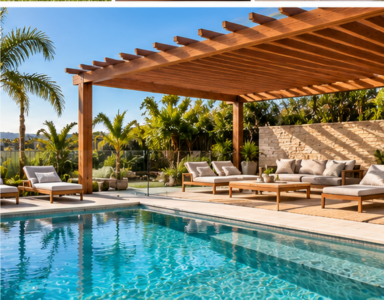
Drainage and sun orientation both influence how comfortable the finished pergola feels day to day, so it pays to think about water runoff and the sun’s path before finalising placement. Choosing a design that complements future landscaping plans, such as garden beds or a pool area, avoids having to work around the structure later. Consulting experienced pergola professionals can help avoid expensive design errors, particularly around structural spans, footings, and compliance with the National Construction Code.
Conclusion
The ideal pergola design balances aesthetics, functionality, durability, and budget. Selecting a style that complements your home’s architecture, whether that’s a modern louvred structure or a traditional wooden pergola, makes the finished result feel intentional rather than bolted on. Beyond its visual appeal, a well-planned pergola adds genuine lifestyle value, giving your household more usable outdoor space and greater appeal if you ever sell. Key factors to weigh up include backyard size, material durability, maintenance expectations, council requirements, and how the space fits your day-to-day routine.
Ready to explore your options? Compare modern and traditional pergola designs for Australian homes, weigh up materials and customisation choices, and speak with pergola specialists about the best solution for your property. Browse our DIY Pergola Kits Australia range or explore a Pergola with Roof for fully covered outdoor living, and visit our homepage to see the full range of options available. For more design inspiration, read our previous article on backyard planning essentials.
Frequently Asked Questions
What is the best pergola design for a backyard?
The best pergola design depends on your backyard size, home architecture, and how you plan to use the space. Louvred pergolas suit homes wanting adjustable shade and airflow, while traditional timber designs work well for period properties. Minimalist aluminium styles complement modern homes. There’s no single best option, only the design that matches your lifestyle, budget, and property.
What materials are commonly used in pergola designs?
Common pergola materials include aluminium, timber, steel, and composite products, along with roofing options such as glass or polycarbonate. Aluminium offers low maintenance and strong weather resistance, making it popular across Australia. Timber suits homeowners who want a classic look and are happy to accept more upkeep. The right material depends on durability needs, budget, and desired appearance.
Can a pergola be customised to suit my home?
Yes, pergolas can be customised in size, shape, roofing, and finish to match your home’s architecture. Options include gable or flat rooflines, timber or aluminium framing, and additions like louvres, screens, or sliding doors. Custom designs allow the structure to blend with existing landscaping and building style rather than looking like an afterthought in the backyard.
Does a pergola increase property value?
A well-designed pergola can improve property appeal by adding usable outdoor living space and enhancing street or backyard presentation. Buyers often value functional entertaining areas, and a quality pergola can support this. The actual impact on resale value depends on build quality, design, and how well the structure suits the rest of the property.
Do I need council approval to build a pergola?
Council approval requirements for pergolas vary by council and location, so it’s important to check with your local council before starting construction. Some pergolas may qualify as exempt development if they meet specific size, height, and placement criteria, while others require a formal application. Always confirm current rules with your council rather than assuming.